One-stop Laser Industry Solution
Leave Your Message

What Is a CNC Laser Cutting Machine and How Does It Work?

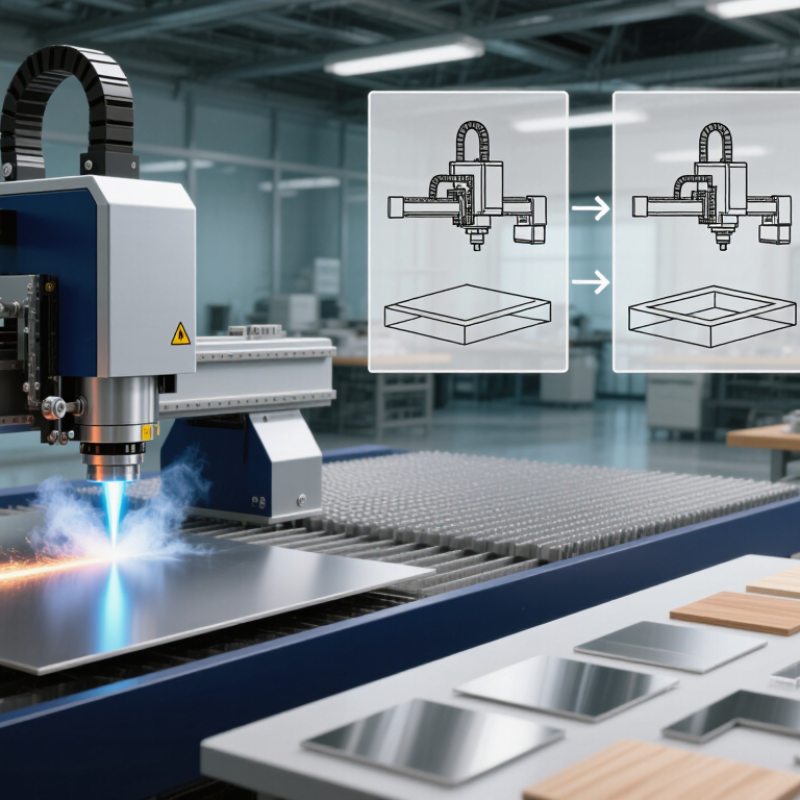
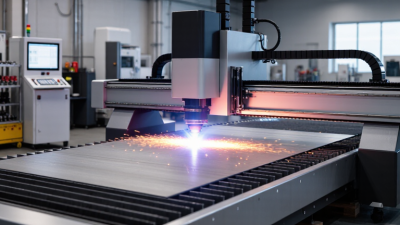
A Cnc Laser Cutting Machine transforms digital designs into precise physical parts. It combines computer numerical control, focused laser energy, motion systems, and carefully regulated cutting parameters. A designer creates a CAD drawing, then CAM software converts it into machine instructions. The controller guides the cutting head along programmed X, Y, and sometimes Z axes. The laser melts, burns, or vaporizes material in a narrow path. Assist gas removes molten debris and helps maintain a clean edge.

The technology supports steel, aluminum, stainless steel, acrylic, wood, and other approved materials. Fiber lasers commonly process metals, while CO2 systems remain useful for many nonmetallic applications. Cutting quality depends on laser power, material thickness, focal position, speed, nozzle condition, and gas pressure. Small changes can produce visible differences, such as a rough edge or excessive heat marks.

Market research reflects this growing industrial role. Fortune Business Insights reports that the global laser cutting machine market was valued at approximately USD 6.83 billion in 2023. Its analysis projects continued expansion through 2032, supported by automation, smart manufacturing, and demand for faster production. Grand View Research also identifies automotive, aerospace, electronics, and metal fabrication as important application sectors. These figures vary by research method, so they should not be treated as absolute measurements.

The machine is powerful, not magical. ISO 11553-1 emphasizes safety requirements for laser-processing equipment, including guarding and controlled access. In real workshops, trained operators still inspect lenses, verify material settings, and test the first cut. A reliable result comes from both advanced equipment and careful human judgment. Even an excellent machine can fail when maintenance or setup is neglected.

What Is a CNC Laser Cutting Machine and How Does It Work?

What Is a CNC Laser Cutting Machine?

A CNC laser cutting machine is a computer-controlled system that cuts or engraves materials with a concentrated laser beam. CNC means computer numerical control. The machine follows digital instructions created from a drawing or computer-aided design file. An operator sets the material, thickness, cutting speed, laser power, and focus position before production begins.

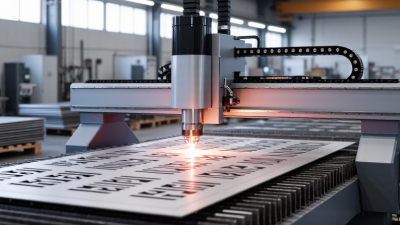
The laser head moves along programmed X and Y axes, while the material usually remains fixed. A focused beam heats a tiny area until the material melts, burns, or vaporizes. Assist gas then clears debris from the cut path. Oxygen can support cutting in some metals, while nitrogen often produces cleaner edges. The machine may process sheet metal, acrylic, wood, cardboard, and other approved materials, depending on its power and configuration.

The result is precise. However, precision is not automatic. A poorly focused beam can leave rough edges, excessive heat marks, or incomplete cuts. I have found that a small change in material thickness can require new settings. Dust, lens contamination, and unstable positioning can also reduce quality. Operators should test a small sample, inspect the edge, and adjust the program when necessary. Ventilation, protective guarding, and suitable eye protection remain essential because the beam and fumes can cause serious injury. CNC control reduces manual variation, but it does not replace practical judgment.

What Are the Main Components of a CNC Laser Cutting Machine?

A CNC laser cutting machine combines a focused light beam with computer-controlled movement. Its rigid frame supports every cutting operation. A stable frame matters because vibration can create rough edges or inaccurate dimensions.

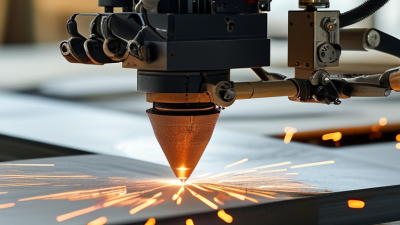
The laser source generates concentrated energy for melting or vaporizing material. Mirrors or fiber cables deliver the beam toward the cutting head. Inside the head, a focusing lens narrows the beam to a tiny spot. The nozzle releases assist gas around that spot. Oxygen, nitrogen, or compressed air can help remove molten material, depending on the metal and required edge quality. The cutting head may also include height sensors. These sensors help maintain a steady distance above uneven sheets.

The CNC controller converts drawing data into movement instructions. Servo motors drive the X, Y, and sometimes Z axes. Linear guides, drive screws, or rack systems transfer that motion across the worktable. The table supports the sheet while slats reduce contact with hot debris. An exhaust system removes smoke and fine particles. A chiller controls the laser source and prevents overheating.

Small details affect real results. A dirty lens can distort the focal point. A worn nozzle can weaken the gas stream. Technicians often check these parts before changing cutting settings. Still, inspection routines are not perfect. Material reflectivity, heat buildup, and poor sheet flatness can produce unexpected marks. Careful operators record these changes instead of blaming the machine immediately.

What Is a CNC Laser Cutting Machine and How Does It Work? — Main Components of a CNC Laser Cutting Machine

Component Primary Function Main Elements How It Works Typical Technical Details Operational Considerations
CNC Controller Converts the digital part program into coordinated machine movements and cutting commands. Control processor, motion-control software, operator interface, program memory, input and output modules. It reads coded toolpaths, controls axis movement, sets cutting parameters, and synchronizes the laser with the programmed path. Commonly supports CAD/CAM files, numerical control programs, feed-rate control, pierce sequences, and adjustable power levels. Accurate programming and correct coordinate calibration are essential for dimensional accuracy and repeatable production.
Laser Source Generates the concentrated light energy used to melt, burn, or vaporize material. Resonator, excitation system, optical cavity, cooling connections, and power-control electronics. Electrical energy excites the active medium, producing a coherent beam at a specific wavelength. The controller adjusts output power according to the material and thickness. Common industrial sources include fiber, carbon-dioxide, and solid-state laser systems. Output power is typically specified in watts or kilowatts. Beam quality, power stability, cooling performance, and source cleanliness directly affect cut quality and operating cost.
Beam Delivery System Transfers the laser beam from the source to the cutting head with minimal energy loss. Beam path, protective enclosure, mirrors where applicable, optical fibers where applicable, lenses, and alignment hardware. The beam travels through a controlled optical path and is directed toward the focusing optics in the cutting head. Fiber systems use a flexible optical fiber, while many carbon-dioxide systems use enclosed beam paths and steering mirrors. Optical alignment, protection from dust, and regular inspection are important for maintaining consistent beam power.
Cutting Head Focuses the laser beam onto the workpiece and directs assist gas to the cutting zone. Focusing lens, protective window, nozzle, height sensor, capacitive sensor, and mounting assembly. The focusing lens concentrates the beam into a small spot. The nozzle supplies gas around the beam to remove molten material and support the cutting process. Nozzle diameter, focal position, standoff distance, and gas pressure are selected according to material type and thickness. A damaged lens, blocked nozzle, or incorrect focal position can cause dross, incomplete penetration, and uneven kerfs.
Motion System Moves the cutting head or worktable along programmed X, Y, and sometimes Z axes. Linear guides, ball screws or rack-and-pinion drives, servo motors, encoders, couplings, and drive amplifiers. The controller sends position commands to the motors. Feedback devices monitor actual position so the system can correct movement errors. Typical systems provide two-dimensional X-Y cutting with Z-axis height control. Acceleration and positioning accuracy depend on machine design and load. Guide lubrication, drive inspection, backlash checks, and accurate homing improve cut consistency and service life.
Worktable and Slat Bed Supports the sheet or workpiece while allowing the laser beam and cutting debris to pass through. Steel support slats, frame, material stops, pallet or shuttle table, and optional loading equipment. The workpiece rests on narrow slats that reduce contact area. The table remains stationary or moves through the cutting zone depending on the machine configuration. Table dimensions are selected according to the maximum sheet size. Slats are commonly replaceable because they gradually deform or accumulate residue. Flat, clean, and properly aligned slats help prevent part distortion and maintain a consistent focus distance.
Assist-Gas System Removes molten material, protects the cut zone, and influences edge appearance and cutting speed. Gas cylinders or bulk supply, regulators, filters, valves, pressure sensors, tubing, and nozzle. Gas flows through the cutting head and pushes molten metal away from the kerf. Oxygen can support oxidation cutting, while nitrogen or air can reduce oxidation on suitable materials. Gas selection and pressure depend on the material, thickness, nozzle design, and required edge condition. Leaks, moisture, contamination, or incorrect pressure can reduce cutting performance and damage optical components.
Height-Control System Maintains the correct distance between the nozzle and the material surface. Capacitive sensor, height controller, Z-axis actuator, signal processor, and collision protection. The sensor detects changes in capacitance caused by the distance to the conductive workpiece. The Z axis adjusts the cutting head to follow surface variations. Automatic height control is especially important for warped sheets, uneven surfaces, and high-speed cutting. Sensor calibration, nozzle condition, and clean electrical connections are necessary for stable height tracking.
Cooling System Removes heat from the laser source and other heat-sensitive components. Chiller, pump, heat exchanger, coolant reservoir, temperature sensors, and circulation lines. Coolant circulates through the laser source and transfers heat to the surrounding environment through a heat exchanger. Temperature control is commonly maintained within a narrow operating range specified by the equipment design. Coolant level, water quality, filters, ambient temperature, and alarm conditions should be checked regularly.
Electrical and Drive Cabinet Supplies, distributes, and regulates electrical power for the laser, motors, sensors, and control system. Power supplies, servo drives, circuit protection, relays, contactors, terminal blocks, and safety controllers. It converts incoming electrical power into controlled outputs and coordinates the operation of motors, valves, sensors, and auxiliary equipment. Electrical requirements vary with laser power, automation level, table size, and facility supply. Proper grounding, ventilation, dust control, and qualified electrical maintenance are important for safe operation.
Fume Extraction System Removes smoke, dust, vapor, and combustion by-products generated during cutting. Extraction zones, ducting, fan, spark protection, filters, and collection unit. The system draws contaminated air away from the cutting area and passes it through filters before releasing or recirculating the treated air. Required airflow depends on enclosure size, cutting process, material, and filtration design. Filters must be inspected and replaced or cleaned as required. Adequate extraction improves visibility and workplace air quality.
Machine Enclosure and Safety System Restricts access to hazardous laser radiation, moving parts, sparks, and hot material. Protective enclosure, interlocked doors, viewing windows, emergency stops, warning indicators, and safety controller. Interlocks prevent laser emission or machine motion when a protected access point is open or a safety fault is detected. Safety features are designed according to the laser class, machine configuration, local regulations, and risk assessment. Safety interlocks must never be bypassed. Operators should use appropriate training and personal protective equipment.
CAD/CAM Software Creates, prepares, and optimizes the cutting geometry and machine toolpath. Drawing import, nesting, lead-in and lead-out settings, pierce control, kerf compensation, and post-processing functions. The software converts geometric designs into machine-readable instructions while arranging parts to reduce material waste. Important settings include material thickness, laser power, cutting speed, focus position, gas type, and pierce time. Correct kerf compensation and nesting reduce scrap and help parts meet their intended dimensions.
Workpiece and Process Parameters Define the material conditions that determine how the machine should cut. Material type, thickness, surface condition, cutting speed, laser power, focus position, nozzle size, and assist-gas pressure. The machine combines these parameters to create a controlled thermal process that forms a narrow kerf along the programmed path. Typical compatible materials include carbon steel, stainless steel, aluminum, copper alloys, and selected non-metallic materials, depending on the laser system. Test cuts and parameter verification are recommended when material composition, thickness, or surface condition changes.

Note: Actual cutting capacity, speed, power, gas pressure, and accuracy vary with machine configuration, material grade, thickness, and process settings.

How Does CNC Laser Cutting Work Step by Step?

A CNC laser cutting machine uses computer-controlled motion and a focused beam to shape sheet material. The process begins with a digital drawing, usually prepared in CAD software. The design is converted into cutting instructions, including coordinates, speed, power, and piercing points. These instructions guide the cutting head across the worktable.

The operator checks the material type, thickness, and surface condition before loading the sheet. Even small bends can change the cutting result. The machine then measures its position and sets the laser focus at the material surface. Assist gas removes molten material from the cut zone. The beam pierces the sheet, and the cutting head follows the programmed path. It accelerates on straight lines and slows near corners to maintain accuracy.

After cutting, the operator inspects the edge, kerf width, and small internal features. A clean edge often shows a stable focus and suitable power. Heavy dross may indicate excessive heat, weak gas flow, or unsuitable speed. I have found that the first setting is rarely perfect, especially with reflective or unusually coated materials. A careful test piece prevents wasted sheets. Safety interlocks, ventilation, and correct operating procedures remain essential throughout the job.

Which Materials Can CNC Laser Cutting Machines Process?

A CNC laser cutting machine uses computer-controlled motion and a focused light beam. The beam melts, burns, or vaporizes material along programmed paths. Assist gas then removes molten debris from the cut zone. In practical workshops, material thickness, surface coating, and moisture often matter as much as laser power.

Metals are the main processing group. Mild steel, stainless steel, aluminum, brass, and copper can be cut with suitable settings. Fiber lasers usually handle reflective metals efficiently, while CO2 systems remain useful for many non-metal sheets. Grand View Research’s 2024 market analysis identifies metal processing as the leading application area for CNC laser cutting equipment. Fortune Business Insights also reports strong growth in fiber-laser adoption, linked to precision and production speed. Non-metal materials may include acrylic, plywood, paper, leather, and textiles. However, results vary sharply. Dense plywood can char, and acrylic edges may become polished or cloudy. Material names alone are not enough.

Tips: Check the safety data sheet before cutting unfamiliar stock. Avoid chlorinated plastics, including PVC, because their fumes can be toxic and corrosive. Use test coupons before full production. A small 50-by-50-millimeter sample can reveal warping, edge burn, or incomplete penetration. Keep ventilation active. Never assume a clean-looking cut is automatically safe. Reflective copper and brass can redirect laser energy, so machine settings and enclosure controls require careful review. ISO 11553-1 provides relevant safety guidance, but real operating conditions still demand trained judgment.

What Is a CNC Laser Cutting Machine and How Does It Work?

A CNC laser cutting machine uses computer-controlled movements to guide a focused laser beam across a sheet or workpiece. The beam concentrates intense energy into a small area, melting, vaporizing, or thermally decomposing the material, while assist gas removes molten debris and helps produce a clean cut.

The chart compares approximate melting or softening temperatures of common laser-processing materials. Actual cutting performance depends on laser power, wavelength, beam quality, material thickness, reflectivity, assist gas, and machine settings. Acrylic softens rather than melting in the same way as metals.

What Are the Advantages and Limitations of CNC Laser Cutting?

A CNC laser cutting machine uses computer-controlled movements to guide a focused laser beam across a sheet. The beam melts, burns, or vaporizes material along programmed paths. Assist gas clears debris and helps create a cleaner edge. In a working shop, accuracy depends on more than software. Lens condition, material flatness, focus height, and cutting speed all matter.

The main advantage is repeatable precision. A laser can produce small holes, sharp corners, and detailed profiles with little physical contact. It also reduces the need for custom dies or repeated tool changes. Narrow cuts often create less material waste. Production can be fast, especially for thin steel, aluminum, and other approved materials.

Yet limitations deserve equal attention. Thick sections may require slower cutting or another process. Reflective metals can challenge some systems. Heat may leave discoloration, dross, or a small heat-affected zone. The machine also needs costly equipment, trained operators, ventilation, and regular maintenance. No process is perfect.

Tips: Test settings on scrap material before production. Check focus, gas pressure, and edge quality. Keep a cutting log. It saves time later. A rushed setup can ruin an otherwise accurate part, and even experienced operators sometimes need to rethink the chosen speed or power.