2026 Top CNC Laser Cutting Machine Buying Guide
Choosing a Cnc Laser Cutting Machine in 2026 is not simply a matter of selecting higher wattage. It is a production decision involving material thickness, cutting speed, accuracy, energy use, software, and service support. A machine that cuts stainless steel beautifully may perform poorly on reflective brass or thin aluminum. The showroom sample can look perfect. Your factory floor is different.
Theodore H. Maiman, the laser pioneer, famously said, “The laser is a solution looking for a problem.” That sentence still offers useful caution for modern buyers. Do not purchase a powerful laser before defining the real problem. Measure daily sheet volume, common formats, kerf requirements, nesting efficiency, loading methods, and expected uptime. Ask for test cuts using your own material, not only the supplier’s polished samples. Small details matter, including nozzle alignment, lens cleaning, assist-gas pressure, and operator training.
This 2026 Top CNC Laser Cutting Machine Buying Guide examines those practical choices. It compares fiber and other laser configurations, power ranges, cutting tables, automation, control systems, maintenance costs, and supplier reliability. It also considers ownership beyond the invoice. Spare parts may arrive quickly—or painfully slowly. Software may feel intuitive—or consume hours each week. Some specifications remain confusing, even for experienced buyers. That is worth admitting.
A sensible purchase should match measurable production needs, verified test results, workplace safety requirements, and realistic budgets. The fastest machine is not always the most profitable. The cheapest quote rarely tells the whole story. Expect careful questions, independent verification, and a little doubt before signing.
Understanding CNC Laser Cutting Machine Types and Core Technologies
2026 Top CNC Laser Cutting Machine Buying Guide: Understanding CNC Laser Cutting Machine Types and Core Technologies
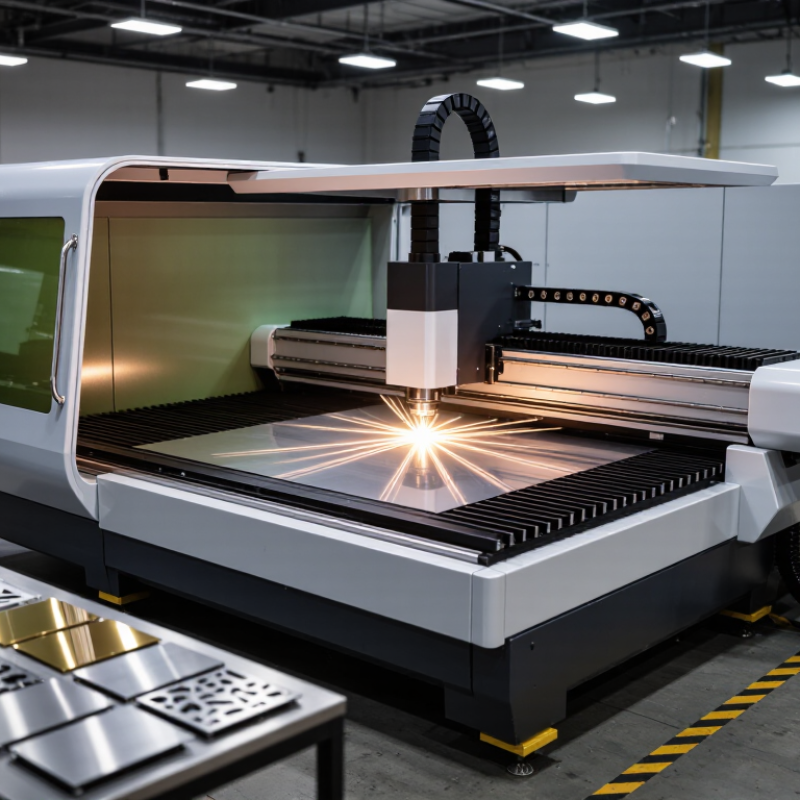
CNC laser cutters differ mainly by laser source, machine structure, and material range. Fiber lasers suit stainless steel, aluminum, and mild steel. CO2 lasers remain useful for acrylic, wood, plastics, and thicker nonmetal sheets. Tube and 3D systems handle round profiles or shaped components. Flatbed machines fit standard sheet production. According to MarketsandMarkets’ 2024 report, the laser cutting machine market may grow from about USD 5.7 billion in 2023 to USD 8.5 billion by 2028. Demand is not only about speed.
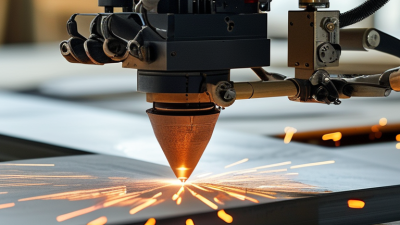
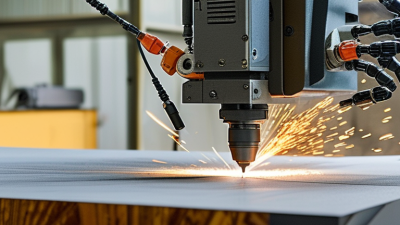
Core performance depends on beam quality, laser power, cutting head stability, and motion accuracy. A 3 kW fiber source may cut thin steel efficiently, but thicker material requires suitable power, nozzle design, and assist gas control. Nitrogen can produce cleaner stainless-steel edges, while oxygen often improves mild-steel cutting speed. Automatic focus, capacitive height sensing, and collision protection reduce setup errors. Yet software matters too. Poor nesting can waste expensive sheet metal. A fast machine with weak extraction is still a poor workshop choice.
Tips: Request test cuts using your actual material, thickness, and surface condition. Inspect kerf width, dross, edge squareness, and cycle time. The 2024 World Robotics report shows continuing automation growth in manufacturing, but automation is not effortless. Operators still need training, maintenance discipline, and realistic production data. I would record gas consumption and downtime for several weeks. Small assumptions often become large operating costs.
Identifying Material, Thickness, and Cutting Capacity Requirements
2026 Top CNC Laser Cutting Machine Buying Guide
Material and thickness should define your machine choice, not advertised laser power. The World Steel Association’s World Steel in Figures 2024 reports 1.89 billion tonnes of crude steel production in 2023. That scale shows why steel remains central to fabrication. However, stainless steel, aluminum, copper, and coated sheets react differently to heat. Reflective metals may require specialized settings and safer process controls.
Measure your real workload over several months. Record material type, thickness, sheet dimensions, daily cutting hours, and the smallest holes you need. A machine rated for 20 mm steel may cut it slowly, with poorer edge quality and higher gas use. Cutting capacity also includes table size, piercing speed, repeatability, and duty cycle. The American Iron and Steel Institute highlights changing steel grades and applications across manufacturing. This makes simple thickness comparisons unreliable. A neat spreadsheet can still mislead.
Tips:
Request test cuts using your own material. Check kerf width, dross, heat marks, and corner accuracy. Compare results at normal production speed. Keep a margin below the maximum rating. I would leave roughly 20% capacity for worn lenses, variable batches, and future work. That estimate is practical, not universal. Also verify assist-gas consumption and extraction performance. These operating costs can outweigh a cheaper purchase price.
Comparing Laser Sources, Power Levels, Accuracy, and Cutting Speed
Choosing a CNC laser cutter starts with the laser source, not the advertised wattage. Fiber lasers suit carbon steel, stainless steel, and aluminum because their shorter wavelength couples efficiently with reflective metals. CO2 systems remain useful for many nonmetallic materials. The 2024 Industrial Laser Solutions market review reported continued growth in fiber adoption, driven by lower maintenance and higher electrical efficiency. That trend matters in daily production.
Power determines thickness, but it does not guarantee quality. A 3 kW source may cut thin steel rapidly, while a 6 kW system offers more capacity for thicker plate. Actual results depend on assist gas, nozzle condition, beam mode, and material grade. Grand View Research estimated the global laser cutting machine market at about USD 5 billion in 2023, showing strong demand, but market growth does not remove setup risks. Test real samples.
Accuracy needs a wider definition. Positioning accuracy, repeatability, kerf width, and thermal distortion can produce different results. ISO 230-2 testing principles help compare machine positioning performance, yet factory measurements may not match workshop conditions. For speed, compare completed parts per hour, not only maximum cutting speed. A fast head can lose time through piercing, acceleration, unloading, and edge cleanup. Measure the whole cycle. Keep records. I would also question unusually high claims, because a polished data sheet rarely shows failed cuts, warped corners, or operator adjustments.
Evaluating Machine Structure, Automation, Software, and Safety Features
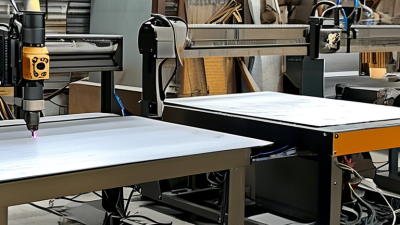
A reliable CNC laser cutting machine starts with its structure, not its advertised speed. Inspect the welded bed, gantry stiffness, linear guides, and drive system. A rigid frame reduces vibration when cutting thick steel at high acceleration. It also helps maintain consistent kerf width across a large sheet. Ask for thermal compensation data, because heat can slowly change positioning accuracy. I have seen impressive specifications lose meaning when the frame flexed during long production runs. That detail is easy to miss.
Automation should match your actual workflow.
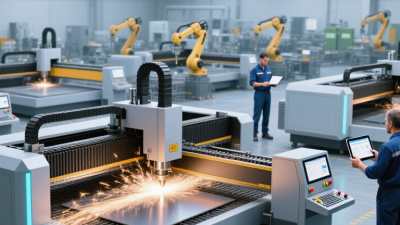
Automatic loading and unloading can reduce handling time, but only when sensors detect warped sheets and incorrect placement. Look for stable pallet changing, collision monitoring, and clear recovery procedures after an interruption. A simpler system may be more dependable than a complicated one that operators rarely understand. Measure cycle time with real materials, not only empty-table demonstrations. Small delays matter.
Software deserves equal attention.
The interface should support nesting, remnant tracking, material libraries, and simulated tool paths. It should also show warnings before a nozzle collision or excessive heat concentration. Test whether operators can edit a drawing without searching through dense menus. Safety features must include a sealed working area, door interlocks, emergency stops, fume extraction, and visible status indicators. Confirm that electrical and laser protection meet applicable local requirements. Do not rely on labels alone. Request training records, maintenance schedules, and documented test procedures. Even experienced teams can overlook a disabled sensor during a hurried shift.
Choosing Suppliers, Calculating Costs, and Planning Long-Term Maintenance
Choosing a CNC laser cutting machine in 2026 requires more than comparing advertised wattage. Supplier quality often decides whether production stays stable after installation. Ask for documented cutting tests using your actual steel, thicknesses, and tolerances. Request service response times, spare-part locations, training hours, and warranty exclusions in writing. Visit the workshop if possible. Small details matter. Clean assembly areas and labeled electrical cabinets suggest disciplined production, but they do not guarantee it. Speak with at least two current users before signing.
Calculate the complete cost, not only the machine price. Include freight, installation, electrical upgrades, assist gas, lenses, nozzles, software, operator training, and financing fees. Estimate electricity from your planned daily cutting hours. Add labor for loading, programming, cleaning, and inspection. A simple spreadsheet can compare three-year ownership costs. My first estimates were too optimistic when I ignored material waste and production delays. That mistake is worth avoiding. Build a cash reserve for unexpected repairs.
Long-term maintenance should be discussed before delivery.
Confirm lubrication intervals, filter replacement schedules, beam alignment procedures, and remote diagnostic limits. Keep critical consumables on site, especially before busy production periods. Record operating hours, alarms, replaced parts, and cutting results. These records help technicians identify gradual performance loss. Schedule preventive inspections instead of waiting for rough edges or unstable piercing. Some maintenance plans look complete but exclude travel and emergency labor. Read every line carefully. Reliability is planned daily, not promised during a sales meeting.