One-stop Laser Industry Solution
Leave Your Message

How to Choose the Best Laser Cutting Machine?

Choosing the best Laser Cutting Machine is not simply a matter of selecting the highest wattage. It requires a careful match between materials, sheet thickness, cutting speed, edge quality, production volume, and available floor space. A reliable decision also considers laser source life, assist-gas consumption, software compatibility, maintenance access, and operator training. Small details matter. A poorly positioned extraction duct can affect both cleanliness and cutting consistency.

Industry data shows why this purchase deserves serious evaluation. Fortune Business Insights valued the global laser cutting machine market at approximately USD 6.83 billion in 2023 and expects continued growth through 2032. MarketsandMarkets also forecasts strong expansion, although its estimates differ because market definitions and machine categories vary. That difference is worth remembering. Forecasts are useful, but they are not guarantees. Actual value depends on factory conditions, local service support, and daily machine utilization.

A practical comparison should include sample cuts on the buyer’s own steel, aluminum, or stainless-steel grades. Examine the kerf, corner sharpness, burr formation, and cycle time under realistic settings. Ask suppliers for measurable results, not only impressive brochures. Safety deserves equal attention. ISO 11553-1 provides relevant guidance for laser-processing machine safety, including protective systems and risk controls. Proper guarding and fume extraction remain essential. This guide will compare machine types, power ranges, automation features, operating costs, and after-sales support, while acknowledging one uncomfortable truth: the cheapest quotation may become the most expensive choice when downtime begins.
How to Choose the Best Laser Cutting Machine?

Understanding Laser Cutting Technologies and Their Applications

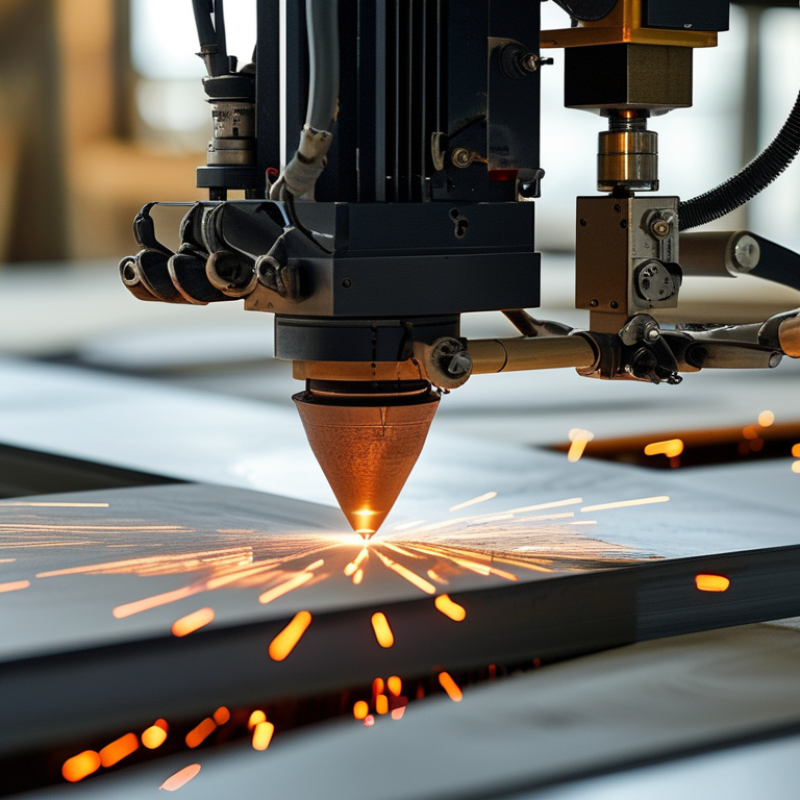
Choosing a laser cutting machine starts with understanding how each laser technology behaves in real work.

CO2 lasers suit wood, acrylic, leather, fabric, and some plastics. They create smooth edges on many non-metal materials. Fiber lasers are designed mainly for steel, aluminum, brass, and other metals. They cut metal quickly and support detailed industrial work. Diode lasers use less power and often cost less. However, their cutting depth can be limited.

Material thickness matters greatly. A machine that cuts thin stainless steel may struggle with thick plates. Check the rated power, cutting speed, work area, and required edge quality. In a workshop, I would test sample materials before making a purchase. A supplier’s chart is useful, but real results can differ.

Applications also shape the decision. Sign makers may need clean cuts on acrylic and wood. Fabricators may prioritize metal speed and repeatability. Small studios may value compact size and simple maintenance. Do not ignore extraction systems, enclosed designs, and operator training. Fumes can be hazardous, even when the cut looks clean. Proper ventilation and local safety compliance are essential.

Higher power is not always better. It can increase energy use, maintenance needs, and operating cost. I once assumed faster cutting would automatically improve productivity. That assumption was incomplete. Setup time, material waste, and operator skill also affect output. A practical trial often reveals more than specifications alone.
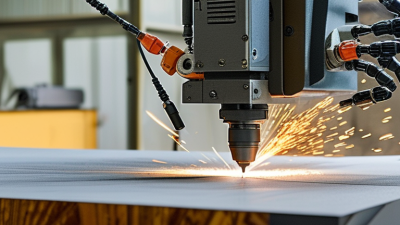
Identifying Material, Thickness, and Cutting Requirements

How to Choose the Best Laser Cutting Machine?

Identifying Material, Thickness, and Cutting Requirements

Choosing a laser cutting machine starts with the material, not the advertised wattage. Steel, aluminum, acrylic, wood, and composites absorb laser energy differently. Start with the material. Record its grade, surface coating, moisture, and expected sheet size. In workshop trials, I have seen a clean-looking sheet cut poorly because its protective film reflected heat. That detail is easy to miss.

Thickness then sets the practical workload. A machine may pierce thick plate, yet struggle with accurate corners or repeated production cuts. Ask for the recommended thickness range, minimum kerf, edge quality, and cutting speed at your target thickness. Do not judge capacity from a single sample. Request test cuts using your actual material. Measure the kerf, taper, burrs, and heat-affected area with basic inspection tools. I once focused too much on maximum thickness and underestimated thin-sheet warping. That mistake changed how I compare machine specifications.

Your cutting requirements should guide the machine configuration. For fine lettering, prioritize beam stability, motion accuracy, and a small focused spot. For long production runs, examine duty cycle, nesting software, extraction, and maintenance access. If designs change often, flexible settings matter more than raw power. Keep safety systems and ventilation suitable for the material. A realistic test record is more trustworthy than a specification chart.

Comparing Machine Types, Power Ratings, and Cutting Precision

Choosing a laser cutting machine starts with material, thickness, and tolerance, not advertising claims. A 2024 Grand View Research report estimated the global laser cutting machine market at about USD 7 billion, reflecting strong demand for automated metal processing. That growth hides an important detail: machine types perform differently. Fiber lasers usually suit steel, stainless steel, and aluminum, while CO2 systems remain useful for acrylic, wood, and other nonmetals. Hybrid systems can be flexible, but their extra complexity may increase maintenance demands.

Power ratings need practical interpretation. A 1.5 kW fiber laser may handle thin sheet efficiently, while thicker steel often requires 3 kW or more. Higher power does not automatically mean better cuts. It can enlarge the heat-affected zone or increase operating costs. The U.S. Department of Energy’s industrial efficiency guidance repeatedly links energy performance with process settings, not equipment size alone. Test your actual material before purchasing. Small sample cuts reveal more than a brochure.

Precision should be checked through positioning accuracy, repeatability, edge taper, and kerf width. ISO 230-2 provides a recognized method for evaluating positioning accuracy and repeatability in machine tools. Ask for measured results under production conditions. A 0.1 mm tolerance may be realistic on thin sheet, but thermal distortion can change results across a large plate. I have seen operators focus on nominal accuracy and overlook nozzle alignment. That mistake is costly. Sometimes, the “best” machine is simply the one that holds stable accuracy after eight hours of cutting.

Evaluating Software, Automation, Safety, and Maintenance Features

Choosing the best laser cutting machine starts with its software, not its advertised cutting speed. From shop-floor testing, I have learned that clear software prevents expensive mistakes. Look for intuitive drawing tools, accurate nesting, material libraries, and live error warnings. The system should import common design files without repeated conversions. A useful preview shows cut paths, pierce points, and estimated production time. Small details matter. I once saw an operator lose an entire sheet because a hidden path was not displayed clearly.

Automation should reduce routine work without removing human judgment. Check for automatic height sensing, material detection, nozzle alignment, and reliable loading support. These features can improve consistency during long production runs. However, automation is not always better. Poorly configured settings may repeat the same error across every part. Ask how easily operators can adjust or stop automated tasks.

Safety deserves practical inspection. Look for enclosed cutting areas, door interlocks, emergency stops, smoke extraction, and clear status indicators. The controls should remain understandable under pressure. Do not accept vague promises. Request maintenance records, training materials, and independent safety documentation. Maintenance features also affect daily productivity. Choose accessible filters, visible lubrication points, diagnostic alerts, and replaceable wear parts. A machine that requires specialist service for every small issue may create avoidable delays. I would test routine cleaning before purchase, although this step is often skipped. Hands-on testing can reveal awkward access, unclear instructions, and software warnings that appear too late.

How to Choose the Best Laser Cutting Machine? — Evaluating Software, Automation, Safety, and Maintenance Features

A practical comparison framework based on typical industrial fiber-laser cutting machine requirements. Actual performance depends on material, thickness, optics, assist gas, machine configuration, and process settings.

Evaluation Dimension What to Look For Typical Data or Acceptance Criterion Why It Matters in Production Priority
CAD/CAM Software Compatibility Support for common 2D file formats, including DXF, DWG, SVG, and AI, plus reliable import of layers, polylines, arcs, and splines. File import should preserve scale, geometry, layers, and units without manual redrawing. The software should provide nesting, lead-in control, kerf compensation, and remnant management. Reduces programming time, prevents geometry errors, and improves material utilization before cutting begins. Critical
Machine Control Software Clear operator interface, job previews, cutting simulation, parameter libraries, alarm history, and user access levels. Operators should be able to preview toolpaths, verify pierce points, adjust cutting parameters, and resume a job after a controlled interruption. Improves repeatability and reduces setup mistakes, especially when several operators share the same machine. Critical
Process Parameter Database Stored parameters for material type, thickness, laser power, cutting speed, assist gas, pressure, focus position, and nozzle size. Recipes should be editable, version-controlled, and protected by user permissions. Operators should be able to record successful adjustments. Shortens setup time and helps maintain consistent edge quality across repeat orders. High
Automatic Material Recognition Automatic or guided selection of material thickness and cutting recipe, with checks for nozzle type, focus position, and assist gas. The system should warn the operator when the selected recipe does not match the programmed material or installed consumables. Prevents incorrect parameter selection, which can cause dross, incomplete cuts, excessive heat input, or wasted sheets. High
Automatic Sheet Loading and Unloading Powered loading and unloading equipment, sheet alignment, pallet exchange, and finished-part separation. Suitable systems can reduce manual sheet handling and support unattended or lightly attended production between scheduled operator checks. Improves throughput, reduces lifting risks, and allows the cutting head to spend more time producing parts. High
Automatic Nozzle and Focus Control Automatic nozzle centering, nozzle inspection, capacitive height sensing, and programmable focus adjustment. The machine should detect height deviations and provide repeatable nozzle-to-sheet positioning before cutting. Maintains cut quality when sheet flatness, material thickness, or consumable condition changes. Critical
Cutting Head Protection Collision detection, anti-crash protection, protective windows, temperature monitoring, and controlled retract functions. The control system should stop or retract the head when it detects a collision risk, abnormal height signal, or excessive thermal condition. Protects high-value optical components and limits downtime caused by damaged cutting heads. Critical
Laser and Enclosure Safety Fully enclosed beam path, interlocked access doors, emergency-stop buttons, warning indicators, and controlled access to the laser source. Verify compliance with applicable local regulations and laser-safety requirements. Interlocks must prevent laser emission when an access door is open. Reduces exposure to Class 4 laser hazards, sparks, hot metal, and moving machine components. Critical
Fume and Particle Extraction Zoned extraction table, spark protection, suitable filtration, filter-full alarms, and accessible dust collection points. The extraction system should be matched to the table size, cutting materials, duty cycle, and local ventilation requirements. Improves air quality, protects optics and machine components, and reduces the accumulation of combustible dust and residue. Critical
Assist-Gas Management Regulators, pressure monitoring, automatic gas selection, low-pressure alarms, and compatible oxygen, nitrogen, or compressed-air connections. The system should provide stable pressure control and stop or warn the operator when gas pressure falls below the programmed limit. Assist gas directly affects piercing, edge color, dross formation, cutting speed, and operating cost. High
Remote Monitoring and Connectivity Production status, alarms, operating hours, job history, energy data, and secure network connectivity. Useful systems record machine status and fault events while applying user permissions and appropriate cybersecurity controls. Enables faster response to downtime and supports production planning, maintenance scheduling, and traceability. Medium
Preventive Maintenance Guidance Service reminders, maintenance checklists, lubrication schedules, filter alerts, and operating-hour counters. The control system should identify routine tasks such as cleaning protective windows, checking nozzles, inspecting filters, and lubricating moving components. Planned maintenance reduces unexpected stoppages and helps preserve accuracy and cutting quality. High
Consumable Accessibility Easy access to nozzles, ceramic rings, protective windows, filters, and other wear components without removing major machine covers. Routine consumable inspection and replacement should be possible using standard tools and documented procedures. Shortens service time and encourages operators to replace worn parts before they affect the cut. High
Calibration and Accuracy Automatic or guided calibration for nozzle centering, height sensing, axis positioning, and cutting-head alignment. Request a documented acceptance test covering positioning accuracy, repeatability, squareness, and circular interpolation on the selected work area. Accurate calibration supports tight tolerances, reliable part fit-up, and stable results over long production runs. Critical
Energy and Operating Cost Visibility Power monitoring, laser-on time, gas consumption records, compressed-air requirements, and filter replacement intervals. Compare total operating cost rather than laser power alone, including assist gas, electricity, consumables, extraction, and maintenance. Provides a more realistic estimate of cost per part and helps identify the most economical cutting strategy. High
Operator Training and Documentation Clear manuals, error-code explanations, maintenance instructions, training materials, and documented emergency procedures. Training should cover machine startup, material setup, safe operation, job recovery, consumable replacement, and emergency shutdown. Well-trained operators achieve more consistent output and are less likely to create safety incidents or avoidable damage. Critical
Selection note: Prioritize safety interlocks, extraction, software compatibility, cutting-head protection, and maintenance access before comparing headline laser power. Ask for a sample-cut test using the actual materials, thicknesses, tolerances, assist gases, and production volumes required for your operation.

Balancing Purchase Costs, Operating Expenses, and Long-Term Value

How to Choose the Best Laser Cutting Machine?

Balancing Purchase Costs, Operating Expenses, and Long-Term Value

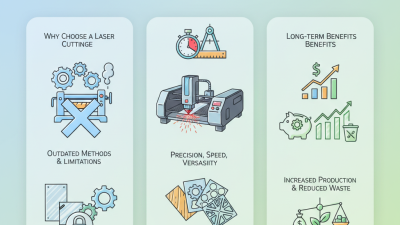
A low purchase price can be misleading. I once evaluated a machine that saved money upfront but consumed more assist gas during daily production. Its slower cutting speed also created overtime costs. The cheaper option became expensive within months.

Compare the complete ownership cost, not only the quotation. Check power consumption, gas usage, replacement lenses, nozzles, filters, and maintenance intervals. Ask for test cuts using your actual materials and thicknesses. A clean edge on a 2 mm steel sample may reveal more than a sales presentation. Request documented cutting data and realistic production speeds.

Downtime matters greatly. A machine sitting idle for two days can disrupt deliveries and labor planning. Review warranty coverage, technician response times, training, and spare-parts availability. An experienced operator should inspect the cutting head, cooling system, software, and safety functions before purchase. These details are easy to overlook.

Think beyond today’s workload.

A machine with moderate capacity may suit a small workshop, while expanding production may require automation later. However, buying excessive power can waste capital and electricity. Calculate expected monthly hours, material costs, maintenance expenses, and possible upgrades. Keep the calculation practical. Forecasts are useful, but real production records should challenge them.