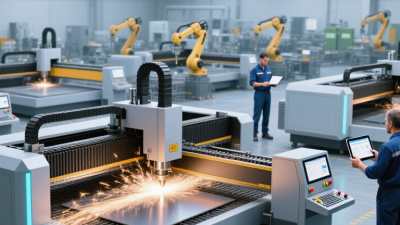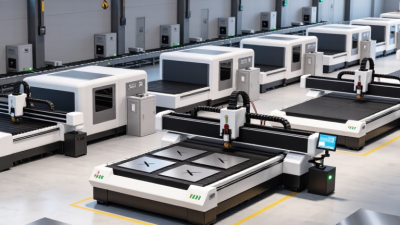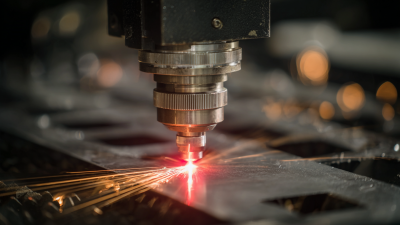
Why Choose a Cnc Laser Cutting Machine? The answer begins with measurable production needs, not marketing claims. Laser technology delivers narrow kerfs, repeatable accuracy, and clean edges across steel, aluminum, stainless steel, and selected non-metal materials. In a busy fabrication shop, a focused beam can cut intricate brackets while preserving the surrounding sheet. That precision reduces secondary grinding and material waste.
Industry reports show why this equipment attracts serious manufacturers. Grand View Research estimated the global laser cutting machine market at approximately USD 6.8 billion in 2023, with continued growth expected through 2030. Fortune Business Insights also projects strong expansion for the broader market, driven by automation, electric vehicles, and industrial machinery. Their figures differ because research firms use different definitions and regional coverage. That detail matters. Market forecasts are useful indicators, not guaranteed sales results.
A Cnc Laser Cutting Machine can connect with CAD/CAM software, automatic nesting, sensors, and production monitoring systems. These features support consistent output and clearer job tracking. In practice, operators still need correct gas selection, lens maintenance, material testing, and safe machine guarding. Technology does not remove responsibility. It changes where expertise is required.
The choice is not universal. Thick materials, reflective metals, limited budgets, or low production volume may favor another process. Initial installation also involves training, ventilation, electrical planning, and compliance with local safety standards. A credible purchasing decision should compare cycle time, energy use, maintenance, consumables, and total ownership cost. The best machine is not always the fastest one. It is the system that performs reliably beside real operators, real deadlines, and real material variation.
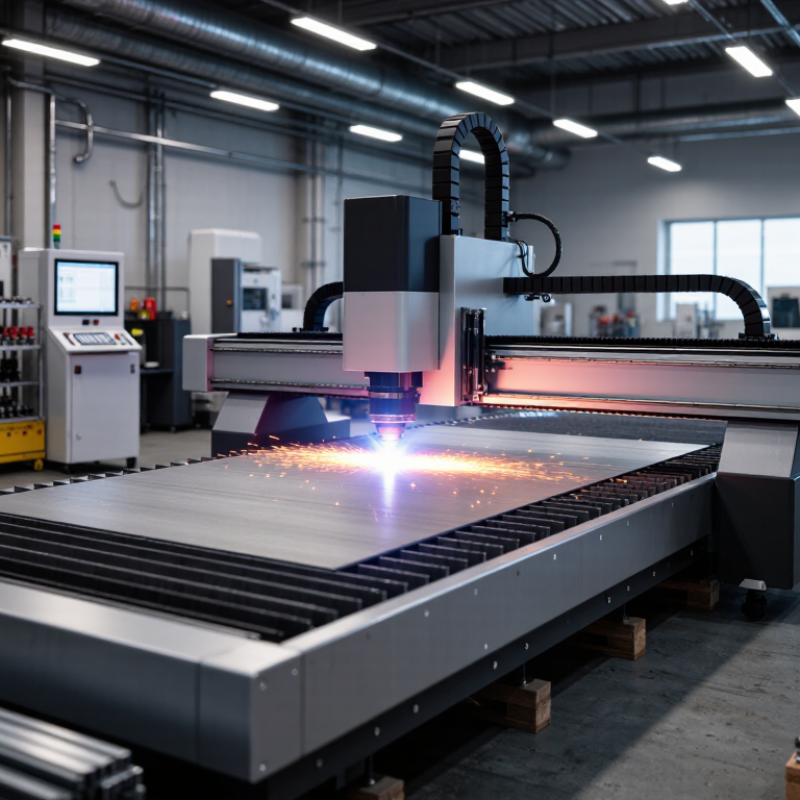
A CNC laser cutting machine is a computer-controlled system that cuts or marks materials with a focused laser beam. CNC means computer numerical control. The machine follows digital instructions created from a CAD drawing or similar design file.
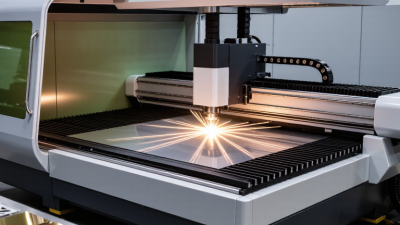
During operation, a laser source produces intense light. Mirrors or optical components guide the beam through a cutting head. A lens focuses it onto the material, creating a narrow heat zone. The machine moves along programmed X, Y, and sometimes Z axes. Assist gas, such as compressed air or nitrogen, can remove melted material and improve the cut edge.
In practical workshop use, operators adjust power, speed, focus, and gas pressure for each material. Thin sheet metal may need different settings from acrylic or wood. The wrong focus can leave rough edges or incomplete cuts. Small details matter. A clean lens matters too.
The process is precise, but it is not automatic perfection. Warped sheets, incorrect drawings, and poor ventilation can affect results. Operators should check material compatibility, enclosure protection, emergency controls, and local safety requirements before cutting. I would also inspect the first piece rather than trusting the program blindly. That habit prevents expensive mistakes.
Why Choose a CNC Laser Cutting Machine?
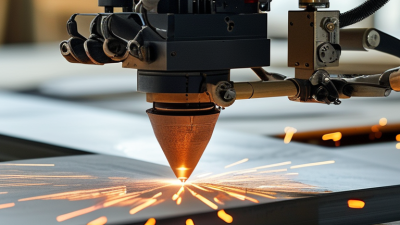
CNC laser cutting works by converting a digital CAD drawing into controlled machine movements. The controller calculates the toolpath, cutting speed, and beam direction. A laser source generates concentrated light, while lenses focus it onto the material surface. The energy melts, burns, or vaporizes a narrow area.
Assist gas then removes molten material from the kerf. Oxygen can increase cutting speed on mild steel, while nitrogen often leaves a cleaner edge. Sensors help maintain the correct stand-off distance as the sheet moves. The result is repeatable cutting with limited mechanical contact. Very little tool wear occurs.
According to Grand View Research, the global laser cutting machines market was valued at about USD 6.8 billion in 2023. Its report projects continued growth through 2030, driven partly by automation and flexible manufacturing. That trend explains the appeal of CNC systems in workshops handling varied designs.
But precision is not automatic. A wrong focal position, dirty lens, or unstable gas pressure can create rough edges. I have found that material testing still matters, even with advanced software. Thin stainless steel may cut cleanly, while reflective metals demand stricter setup and monitoring. The machine follows instructions faithfully. It does not judge poor instructions.
Typical maximum cutting speeds for a 3 kW fiber laser cutting mild steel. As material thickness increases, the focused laser beam requires more energy and cutting speed decreases.
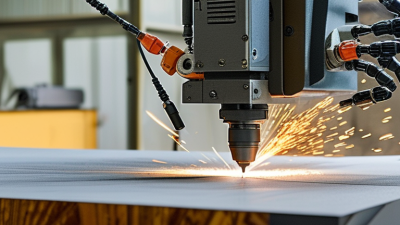
CNC laser cutting works by focusing a high-energy laser beam onto the material, melting or vaporizing the cut line while assist gas removes the molten material. Actual results vary with laser power, material grade, gas pressure, nozzle design, and machine settings.
A CNC laser cutting machine can process many materials with accurate, repeatable results. In practical workshop use, operators commonly cut mild steel, stainless steel, aluminum, plywood, MDF, acrylic, cardboard, leather, and some engineering plastics. The correct laser source, power, lens, and speed depend on the material’s thickness and composition. Thin steel may produce clean edges, while thick aluminum often needs careful heat control. Acrylic can create polished edges, but wood may show light browning along the cut line.
Material limits matter. PVC, vinyl, and unknown plastics can release corrosive or hazardous fumes, so they should not be cut without verified safety information. Glass and stone are also challenging because they can crack or respond unevenly to heat. I have found that even familiar materials behave differently between batches. That detail is easy to overlook. Always check the supplier’s technical data, ventilation requirements, and local regulations before production. A small test piece can reveal warping, melting, smoke marks, or weak corners before valuable material is wasted.
Tips: Clean the surface before cutting. Secure thin sheets firmly. Use a test grid for speed and power settings. Inspect the edge, not only the shape. If the result looks acceptable but feels brittle, adjust the settings and test again.
Why Choose a CNC Laser Cutting Machine?
What Are the Main Benefits of CNC Laser Cutting?
In a busy fabrication workshop, CNC laser cutting turns digital drawings into repeatable parts. The machine follows programmed paths with limited manual handling. This improves dimensional consistency across small batches and larger production runs. Operators can adjust speed, power, and focus for different materials. That control supports cleaner edges and reduces unnecessary rework.
Precision saves material. A narrow laser beam allows tight nesting between parts, leaving less sheet waste. It also cuts detailed shapes that traditional tools may struggle to produce. Small slots, curves, and ventilation patterns can be made without changing physical cutting tools. Production often becomes faster because setup changes happen through software. Less downtime matters.
The benefits are not automatic. They depend on accurate drawings, stable material, and proper maintenance. A dirty lens can weaken the cut. Poor focus can leave rough edges. Some workshops lose efficiency because inspection becomes an afterthought. Skilled operators still check samples, measure critical dimensions, and watch for heat distortion. Safety procedures remain essential around high-energy equipment. CNC laser cutting offers speed, precision, and flexibility, but careful judgment keeps those advantages reliable.
| Benefit Dimension | Typical CNC Laser Cutting Capability | Practical Business Impact | Why It Matters |
|---|---|---|---|
| Precision | Modern industrial laser systems can commonly achieve positional accuracy in the approximate range of ±0.05–0.10 mm, depending on machine design, material, thickness, and calibration. | Produces consistent parts with less dimensional variation. | Improves fit-up during assembly and reduces rework caused by inaccurate profiles. |
| Repeatability | Computer-controlled motion and digital cutting programs can reproduce the same geometry across production batches. | Makes standardized production easier and supports repeat orders. | Reduces dependence on manual marking, measuring, and operator technique. |
| Cutting Speed | Thin sheet cutting speeds can reach several metres per minute, while thicker materials generally require lower speeds. Actual speed depends on laser power, material, thickness, and cut quality. | Shortens cycle times for many sheet-metal applications. | Higher throughput can improve production capacity without adding the same number of manual operations. |
| Narrow Kerf | The laser beam creates a narrow cut width, commonly around 0.10–0.30 mm depending on the process and material. | Allows efficient nesting of parts on a sheet. | Can reduce material waste and support more compact layouts. |
| Non-Contact Processing | The focused beam cuts without a physical cutting tool touching the workpiece. | Eliminates tool-to-workpiece cutting forces and reduces tool wear. | Helps protect delicate surfaces and reduces the need for frequent tool replacement. |
| Complex Geometry | CNC programming supports holes, slots, internal contours, tight radii, and intricate profiles without creating a dedicated cutting die. | Expands design flexibility for prototypes and customized parts. | Enables product changes without the cost and lead time of new hard tooling. |
| Setup and Changeover | Changing from one part design to another typically involves loading a new digital program and adjusting approved process parameters. | Supports economical short runs and frequent design changes. | Reduces the need for dedicated fixtures, dies, and lengthy mechanical changeovers. |
| Edge Quality | Properly selected parameters can produce clean, narrow cuts with limited burr formation on many compatible metals. | May reduce deburring, grinding, and secondary finishing work. | Improves workflow efficiency and can shorten the path from cutting to assembly. |
| Automation | CNC control can integrate motion systems, nesting software, height sensing, piercing routines, and optional loading or unloading equipment. | Enables more stable production and better process monitoring. | Helps improve labour utilization, production visibility, and consistency. |
| Material Utilization | Nesting software can arrange multiple parts within a sheet to minimize unused areas, subject to edge margins, part spacing, and process requirements. | Can lower scrap rates compared with less optimized manual layouts. | Material savings directly influence the cost of each finished part. |
| Digital Workflow | CAD drawings can be converted into CNC cutting programs, allowing design files to move directly into a controlled manufacturing process. | Reduces manual transcription and improves production traceability. | Makes engineering updates, revision control, and production documentation easier to manage. |
Note: Performance figures are typical industry ranges rather than guaranteed values. Actual results vary with laser power, machine configuration, material grade, thickness, assist gas, cutting parameters, maintenance, and required edge quality.
Selecting a CNC laser cutting machine should begin with production evidence, not impressive specifications. Define your materials, thickness range, daily volume, tolerances, and future workload. In shop-floor evaluations, the fastest machine is not always the most productive choice. A high-power system may waste energy on thin sheet work. It may also increase maintenance demands.
Match laser power and bed size to real cutting jobs. Check edge quality, piercing speed, heat distortion, and scrap rates. The International Federation of Robotics reported 541,302 industrial robots were installed worldwide in 2023. This figure shows automation is expanding, but automation alone does not guarantee returns. Integration with loading, unloading, nesting, and inspection can matter more. The International Energy Agency’s Energy Efficiency 2023 report states that industry uses about 37% of global final energy. Therefore, compare power consumption, standby performance, assist-gas use, and extraction efficiency. Cost data needs care. Published estimates often exclude training, tooling, software, and downtime.
Tips: Run sample parts before purchasing. Test your thickest common material and smallest detailed feature. Request measured cycle times. Ask about service response, spare-part availability, operator training, and software updates. A simple spreadsheet can expose hidden costs. Do not trust one perfect demonstration. Your production floor is less forgiving.