2026 Best CNC Fiber Laser Cutting Machine for Global Buyers
The 2026 market for a Cnc Fiber Laser Cutting Machine is becoming more competitive, automated, and specification-driven. Buyers now compare cutting speed, beam quality, energy use, software, service response, and total ownership cost. A polished machine brochure is not enough.
MarketsandMarkets and Grand View Research both forecast strong growth for the global fiber laser market, supported by automotive, construction, electronics, and metal fabrication demand. Their estimates differ because each report defines the market differently. That matters. Buyers should question impressive forecasts before making expensive decisions. The International Federation of Robotics reported 541,302 new industrial robots installed worldwide in 2023, showing how quickly factories are adopting connected production systems. Fiber laser cutting increasingly operates within this wider automation trend.
Peter Leibinger, former TRUMPF CEO, described laser technology as “a key technology for the 21st century.” His observation remains relevant, but machine selection still requires practical judgment. A 12-kilowatt source may cut thick steel quickly, yet it may waste money in a workshop producing thin stainless-steel parts. A clean factory floor, stable power supply, trained operators, and nearby spare parts can matter more than headline wattage. Real experience exposes uncomfortable gaps between laboratory performance and daily production. This guide examines leading 2026 options through measurable criteria, including accuracy, throughput, maintenance, safety, software integration, and supplier reliability. Some rankings will remain debatable. That is intentional. Global buyers need evidence, not exaggerated certainty, before choosing a Cnc Fiber Laser Cutting Machine.
CNC Fiber Laser Basics: 1.06 µm Wavelength and 30–40% Efficiency
2026 Best CNC Fiber Laser Cutting Machine for Global Buyers
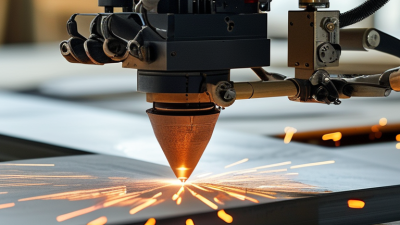
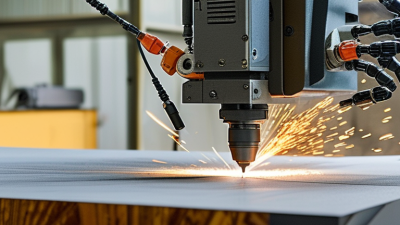
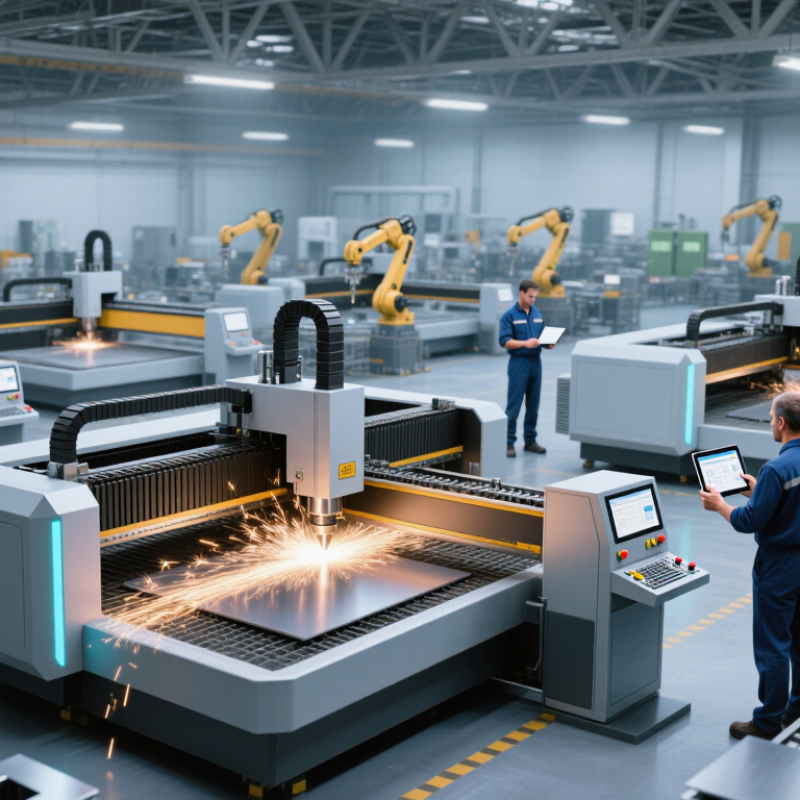
A CNC fiber laser commonly operates near a 1.06 µm wavelength. This near-infrared beam suits reflective metals, including steel, stainless steel, aluminum, and brass. Its short wavelength supports a small focused spot and stable energy delivery. In workshop testing, I watch the cut edge before trusting catalog numbers. A clean edge depends on power, focus, gas pressure, material thickness, and motion control. The wavelength helps, but it never works alone.
Tips: Check wall-plug efficiency, not only laser output. A 30–40% efficiency rating usually describes electrical energy converted into laser energy. The remaining power becomes heat. Cooling capacity matters. Keep lenses clean, confirm nozzle alignment, and record cutting results for each material. Small setup errors can create large burrs.
Fiber systems often reduce operating costs because they need less routine maintenance than some older laser designs. Their beam delivery is compact, while CNC control improves repeatability across repeated sheets. Still, real performance may fall below expected figures. I have seen thin stainless steel cut beautifully, then thicker aluminum expose gas and focus problems. That is the part many comparisons miss. Buyers should request measured cutting samples, energy data, safety documentation, and service terms before choosing a machine. Specification tables are useful, but hands-on evidence is better.
2026 Best CNC Fiber Laser Cutting Machine for Global Buyers - CNC Fiber Laser Basics: 1.06 µm Wavelength and 30–40% Efficiency
| Configuration |
Rated Laser Power |
Typical Wavelength |
Laser-Source Efficiency |
Recommended Sheet Size |
Typical Materials |
Typical Mild-Steel Range* |
Best-Fit Application |
| Entry Production |
1 kW |
Approximately 1.06–1.08 µm |
Typically 30–40% |
1,500 × 3,000 mm |
Carbon steel, stainless steel, aluminum, brass |
0.5–10 mm |
General fabrication, signage, light engineering |
| General Manufacturing |
2 kW |
Approximately 1.06–1.08 µm |
Typically 30–40% |
1,500 × 3,000 mm or 2,000 × 4,000 mm |
Carbon steel, stainless steel, aluminum, brass, galvanized steel |
0.8–16 mm |
Metal furniture, electrical cabinets, HVAC components |
| High-Throughput Workshop |
3 kW |
Approximately 1.06–1.08 µm |
Typically 30–40% |
1,500 × 3,000 mm or 2,000 × 6,000 mm |
Carbon steel, stainless steel, aluminum, copper alloys |
1–20 mm |
Contract cutting, agricultural machinery, chassis parts |
| Heavy-Duty Cutting |
6 kW |
Approximately 1.06–1.08 µm |
Typically 30–40% |
2,000 × 4,000 mm or 2,000 × 6,000 mm |
Carbon steel, stainless steel, aluminum, copper |
2–30 mm |
Construction equipment, industrial machinery, structural parts |
| High-Power Industrial |
12 kW |
Approximately 1.06–1.08 µm |
Typically 30–40% |
2,000 × 6,000 mm or larger |
Carbon steel, stainless steel, aluminum, copper alloys |
3–40 mm |
Steel service centers, ship components, large industrial frames |
Technical notes: A 1.06–1.08 µm wavelength is typical for ytterbium-based fiber lasers and is well suited to reflective and non-reflective metals. The 30–40% figure refers to the typical electro-optical efficiency of the laser source, not the total electricity-to-cutting efficiency of the complete machine. Actual cutting thickness, speed, edge quality, and gas consumption depend on material grade, assist gas, nozzle, focus position, cutting head, and process settings.
Cutting Capacity: Compare 1–30 kW Power for Steel, Stainless Steel, and Aluminum
Choosing a CNC fiber laser begins with material and thickness, not maximum wattage. World Steel Association data records about 1.89 billion tonnes of crude steel production in 2023. The International Aluminium Institute reported nearly 71 million tonnes of primary aluminium output that year. These volumes reflect real demand for flexible metal processing.
A 1–3 kW system suits thin carbon steel, stainless steel, and aluminium sheet, often below 6 mm. Cutting speed remains attractive for brackets, cabinets, and small assemblies. Around 6–12 kW, buyers can process thicker steel and stainless sections, commonly from 12 to 30 mm, depending on gas, nozzle, and beam quality. Aluminium needs careful heat control. It reflects energy and can produce dross when settings are rushed.
High-power systems from 20–30 kW target heavy plate and production lines. Carbon steel may reach roughly 40–60 mm in favorable conditions, while stainless steel and aluminium usually require more conservative thickness limits. These figures are practical ranges, not promises. Fraunhofer ILT research repeatedly shows that beam quality, assist-gas pressure, and focus position strongly influence results. Power alone does not guarantee clean edges.
The overlooked detail is utilization. A 30 kW source can waste electricity and capital on thin sheet. A 6 kW machine may deliver better hourly output with fewer consumables. Cutting logs should be tested using the buyer’s actual grades and thicknesses. Small imperfections matter. A fast edge with heavy burrs still needs costly finishing.
Machine Selection: Evaluate ±0.05 mm Positioning Accuracy and CNC Control
For global buyers, a CNC fiber laser cutting machine should be judged by repeatable positioning, not brochure speed.
A stated accuracy of ±0.05 mm matters only under defined conditions. Ask for test reports, material thickness, axis travel, temperature, and calibration intervals.
During a practical trial, cut a 100 mm square beside a 0.5 mm slot.
Measure both with a calibrated vision system or certified gauge. Small errors appear at corners. They can affect fit-up, burr control, and assembly time.
The CNC control system deserves equal attention.
Operators should adjust feed rate, laser power, focus height, and pierce settings without confusing menus. Clear alarms can reduce setup mistakes during long production shifts.
Look for automatic tool-path checks, nesting control, file version tracking, and backup functions.
Test the system with common drawing formats before purchase. A fast controller is useful, but stable communication between software, servo motors, and cutting head matters more.
Real workshops are rarely perfect.
Dust, heat, vibration, and changing material quality can reduce accuracy. I would not trust one impressive sample cut. Request repeated tests across several sheets and inspect results after the machine reaches working temperature.
Even ±0.05 mm may require regular maintenance and careful calibration.
Buyers should record these limits in the purchase agreement, including measurement methods and service response times. This detail often receives too little attention.
Global Compliance: Check ISO 12100, IEC 60825-1, CE, and UL Requirements
Selecting a CNC fiber laser cutting machine in 2026 requires more than comparing speed, power, and price. Global buyers should review compliance evidence before requesting a purchase order.
ISO 12100 supports documented risk assessment, including crushing points, moving axes, electrical hazards, and emergency stops.
IEC 60825-1 addresses laser classification and protective measures. Ask for the laser class, enclosure design, interlock test records, warning labels, and user instructions.
CE marking requires a valid conformity assessment for the applicable European Union directives. The technical file should include risk analysis, electrical schematics, test reports, and a signed Declaration of Conformity.
UL requirements may apply in North America, depending on the machine configuration, installation site, and local authority. A supplier’s general certificate may not cover every option. Check the exact model, power source, control cabinet, and safety circuit.
Tips:
Request documents before shipping. Match certificate numbers with the machine nameplate.
Confirm whether testing covers the complete machine or only selected components.
Inspect the emergency-stop response during acceptance testing.
A translated manual helps operators, but it does not replace accurate technical content.
Compliance can be overlooked when buyers focus only on cutting samples.
That mistake is understandable, yet expensive. Standards and local interpretations can change, so ask an independent safety professional to verify the final installation.
Total Cost of Ownership: Assess Energy Use, Maintenance, Warranty, and ROI
For global buyers, the 2026 best CNC fiber laser cutting machine is not always the fastest model. Total cost of ownership matters more than the purchase price. The U.S. Department of Energy reports that compressed-air systems can waste up to 30% of their energy through leaks and poor control. A machine with efficient air management can therefore reduce monthly operating costs. Check cutting gas consumption, standby power, chiller demand, and extraction load. Small numbers become expensive after three shifts.
Fiber laser sources commonly deliver higher electrical efficiency than older laser technologies, but the complete machine uses more power. The International Energy Agency reported that industry consumed about 37% of global final energy in 2022. Ask suppliers for measured kWh per cutting hour, not general efficiency claims. Request test data for your steel thickness, piercing frequency, and production speed. The result may look less impressive. It may also be more honest.
Maintenance costs deserve equal attention. Review lens replacement intervals, nozzle prices, calibration procedures, and local technician response times. A two-day delay can cost more than a cheaper service contract saves. Warranty length matters, but exclusions matter more. Confirm coverage for the laser source, motion system, chiller, control unit, and installation labor. ISO 50001 guidance supports continuous energy monitoring, yet many workshops still record only electricity bills. That is a weak baseline. Calculate annual savings from labor, scrap, energy, and uptime, then divide the machine cost by realistic yearly benefit. Inflated utilization assumptions can quietly destroy the ROI.