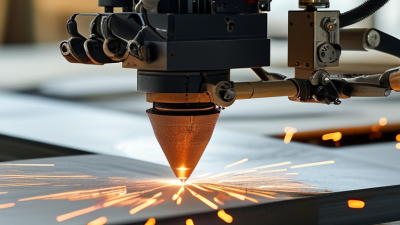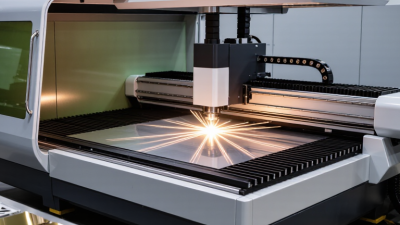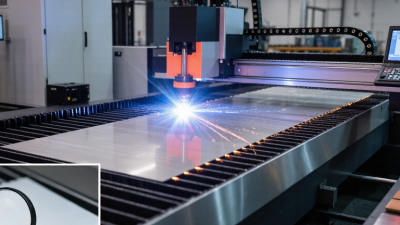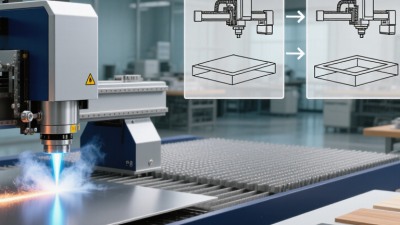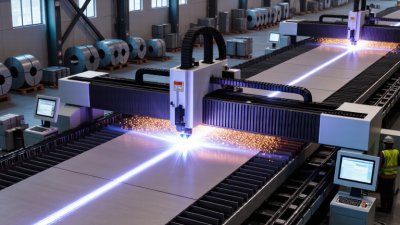
Choosing an Iron Laser Cutting Machine starts with the material and work your shop actually handles. “Iron” can mean different things in supplier listings, so confirm the exact grade, thickness, and sheet dimensions before comparing machines. The scale of the industry gives useful context: World Steel Association’s World Steel in Figures 2024 reports global crude steel production of 1,892.2 million tonnes in 2023. That scale matters. But it does not mean every workshop needs a high-power system.
Begin with the thickest material you regularly cut, not a rare job that might arrive one day. Then compare laser source power, cutting-bed size, positioning accuracy, extraction, and local service support. Ask suppliers for sample cuts using your material, and inspect the edge for dross, taper, and heat effects. A clean edge matters. ISO 9013:2017 sets classifications and tolerances for thermal-cut edges, offering a useful reference when discussing cut quality. One point is easy to overlook: advertised cutting speed is not the same as consistent production output. I would question any quote that omits material grade, thickness, assist gas, or finish requirements. Those details change the result. This guide explains how to weigh them, compare realistic specifications, and choose an Iron Laser Cutting Machine that fits your workload without paying for capacity you may not use.
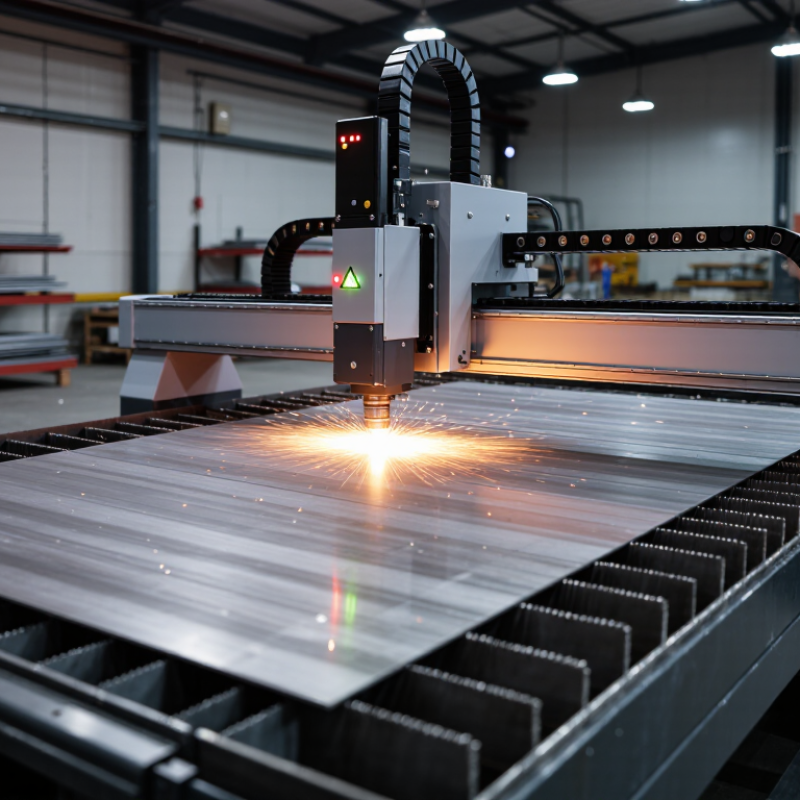
Start by identifying the exact material, not just calling it “iron.” A low-carbon steel plate, cast iron component, and coated sheet behave differently under a laser. Check the grade, surface condition, and whether the part has rust, scale, or paint. These details affect absorption, edge quality, and fume control. World Steel Association’s World Steel in Figures 2024 reports 1,892.2 million tonnes of crude steel production in 2023. That scale reflects how varied steel products can be; one machine setting cannot suit every grade.
Measure the full thickness range you actually cut. Include occasional thick jobs, but do not size a machine around them if most work involves thin sheet. Higher power can improve cutting speed on thicker plate, yet focus position, assist gas, nozzle condition, and feed rate still matter. Ask suppliers for sample cuts using your own material and inspect the edge, dross, heat-affected area, and hole quality. Test the real part. A neat straight cut may hide poor small-hole performance.
Match the machine to the task: nested profiles, brackets with many holes, or long plate sections have different priorities. For frequent thin-sheet work, acceleration and accurate motion may matter more than maximum power. For thick plate, verify piercing time and continuous-duty capacity. Request cut data across your common thicknesses, then check whether it includes the same grade and gas you plan to use. Paper specifications look tidy. Real production is less tidy.

Choosing an iron laser cutting machine starts with the material and thickness you actually process. Fiber lasers are widely used for iron and steel because they cut conductive metals efficiently. CO2 systems may suit certain existing workflows, but compare their operating costs and performance on your specific material. The label alone is not enough.
Power affects cutting speed and the thickness a machine can handle, but more power is not automatically better. Check the manufacturer’s cutting chart for your iron grade, sheet thickness, and assist gas. A machine rated for thick plate may produce a rough edge when pushed at its limit. It depends. Ask to test a sample at your usual thickness, then inspect the cut edge for dross and heat marks.
Cutting capacity also means table size, sheet-loading limits, and room for the parts you make. Measure your largest sheet and consider whether the table supports it securely. I would not choose from the maximum-thickness figure alone; it is an imperfect shortcut. Small details matter. A short test with a real part can reveal whether the machine meets your required speed, edge quality, and dimensional tolerance.
A rigid frame matters because cutting forces, vibration, and thermal movement can shift the beam relative to the workpiece. Inspect welded joints, stress-relief treatment, and the machine’s support points. A thick frame is not automatically a stable one. Ask for positioning test results taken on the assembled machine, not just component specifications. ISO 230-2:2014 describes tests for positioning accuracy and repeatability of numerically controlled axes. Request the measured values and test conditions. Small details matter.
The motion system should move smoothly across the full working area. Check rail alignment, drive backlash, and whether the gantry stays square during direction changes. Run repeated moves, then inspect the cut path at the far corners. A quick demo can hide drift. Not enough. The cutting bed needs firm, level support and replaceable slats that do not obstruct the beam or trap excessive dross. Match its load rating and usable area to the heaviest, largest iron workpieces you actually process. ISO 9013:2017 provides a framework for evaluating thermal-cut quality and dimensional tolerances; use its criteria when comparing sample cuts. Record edge squareness, burrs, and kerf consistency on your own material. A supplier’s standard sample may look cleaner than your daily work. Could be worth asking for a trial on a rough, real production plate.
| Assessment Dimension | What to Check | Practical Indicators | Why It Matters | How to Verify |
|---|---|---|---|---|
| Machine frame and base | Frame construction, weld quality, stress-relief process, and rigidity under acceleration. | Look for a rigid, well-braced structure, documented fabrication and stress-relief procedures, and accurately machined mounting surfaces. Compare the stated working-area load limit with your heaviest sheets. | A stable frame helps maintain alignment and cutting consistency. Poor rigidity or residual weld stress can contribute to vibration or dimensional changes over time. | Review the frame specifications and maintenance documentation. Inspect the machine in operation for abnormal vibration, and ask how leveling and alignment are checked. |
| Motion system | Drive type, motors, guides, transmission condition, and published positioning performance. | Check whether the drive system suits the machine size and intended speed. Inspect the linear guides, rack-and-pinion or ball-screw drive, lubrication provisions, and the stated positioning accuracy and repeatability. | The motion system affects contour accuracy, repeatability, acceleration, and the machine’s ability to follow small features without excessive vibration. | Request the manufacturer’s test method and tolerance specifications. Where possible, run a positioning or cutting test across the full working area; performance depends on machine configuration and test conditions. |
| Cutting bed and slats | Bed capacity, support layout, slat material, replaceability, and access for cleaning. | Confirm the rated workpiece load and usable cutting area. Prefer replaceable support slats and a layout that supports the sheet adequately without creating excessive contact with the workpiece. | A suitable bed supports heavy iron or steel sheets, while replaceable slats make it easier to manage wear, dross buildup, and maintenance. | Compare the bed rating with your actual sheet dimensions and weight. Check how slats are removed, how often cleaning is expected, and whether consumable parts are readily available. |
| Slag and fume management | Collection trays, extraction zones, duct connections, and access for removing cutting residue. | Check that the bed design allows dross to fall away from the cut and that the machine can connect to an appropriately sized fume-extraction system. | Effective residue removal and extraction support a cleaner work area and can reduce buildup that interferes with bed maintenance or machine operation. | Inspect collection and access points, and confirm extraction requirements with the machine supplier and the site’s ventilation or safety specialist. |
| Cutting suitability for iron and steel | Material grade, thickness range, laser configuration, and assist-gas requirements. | Confirm that the machine is specified for the exact material and thickness you plan to cut. Cutting results depend on material composition, thickness, laser power, optics, assist gas, and process settings. | “Iron” can refer to different materials; cast iron and common carbon steel do not necessarily cut or process in the same way. A suitable machine must be matched to the actual workpiece. | Provide representative material samples and request a test cut. Assess edge quality, dross, dimensional accuracy, and cutting speed against your production needs. |
| Overall fit and serviceability | Working envelope, sheet-loading method, routine maintenance, and access to wear components. | Check that the usable bed area accommodates your largest sheet, that loading is practical for your handling equipment, and that guides, slats, and other service items are accessible. | A machine that fits the production workflow can reduce handling delays and make routine inspection and maintenance easier. | Map the machine footprint and loading path at the installation site. Review the maintenance schedule, required utilities, and service access before purchase. |
Note: Specifications and cutting results vary by machine configuration, material grade, thickness, and process settings. Confirm all load, accuracy, and capacity claims with documented specifications and a representative test.
Software affects more than convenience; it shapes cut quality and material use. Check whether the control system imports your usual drawing files and provides clear nesting, kerf, and lead-in settings. Ask to see a sample job from import to finished cut. Watch for confusing menus or unclear error messages. Small details matter.
Test the machine with iron similar in thickness to your regular work. Review how the software handles cut paths, pierce points, and changes to a job. A simulation can reveal collisions or wasted movement, but it cannot replace a supervised test cut. Save a sample program and compare its settings with the actual edge quality. One missed setting can leave rough edges.
Safety features deserve a hands-on review. Check enclosure access, emergency stops, interlocks, fume extraction, and how the machine signals a fault. Ask who trains operators and what protective equipment the process requires. Service matters too. Get response times, remote-support options, spare-parts availability, and maintenance instructions in writing. A sales demonstration may look smooth; daily operation can be less tidy. Check what happens when the machine stops mid-job.
Suggested evaluation weighting for comparing machines. Give extra attention to cutting performance, safety, software usability, and the availability of support.
These percentages are an illustrative decision framework, not measured market data. Adjust the weights to match your materials, production needs, and service expectations.
Choosing an iron laser cutting machine starts with actual job data, not the highest wattage on a brochure. List the steel grades, thicknesses, sheet sizes, and daily cutting hours you expect. Include the share of work requiring tight tolerances or small holes. A machine that cuts 20 mm plate slowly may be a poor fit if most orders involve thin sheet and short runs. Measure twice.
Compare rated power with cutting speed across your common thicknesses, then check the stated edge quality and repeatability. Confirm the bed accommodates your largest sheet, with room for loading and unloading. Deloitte and MAPI’s 2024 Smart Manufacturing Survey found that 86% of surveyed manufacturers expect smart manufacturing to improve competitiveness within five years. That supports checking controls, production monitoring, and data-export options—but only if your team will use them. Still, specs can mislead.
Budget for the installed system, not just the machine. Add extraction, assist-gas supply, electrical upgrades, maintenance, training, and expected downtime. The U.S. Energy Information Administration reported an average U.S. industrial electricity price of about 8.1 cents per kilowatt-hour in 2023; local rates may differ sharply. Estimate power use against your real shift pattern. Ask suppliers for a sample cut using your material, and record cycle time, edge condition, and gas use. A spreadsheet will not capture every surprise, but it can expose a purchase that only works on paper.