One-stop Laser Industry Solution
Leave Your Message

China Top CNC Fiber Laser Cutting Machine Suppliers?

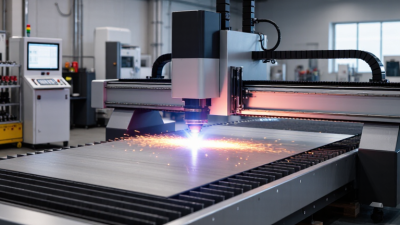
Choosing among China’s top Cnc Fiber Laser cutting machine suppliers requires more than comparing prices. A reliable supplier should prove performance with real samples, detailed specifications, and transparent factory information. Buyers should inspect the cutting head, laser source, motion system, control software, and cooling unit. These parts determine whether a machine cuts cleanly after months of production.

Dr. Reinhart Poprawe, a respected laser-processing expert, has described laser technology as “a key technology of the 21st century.” His observation remains relevant for modern metal fabrication. Yet, technology alone is not enough. A powerful laser can still disappoint when calibration is poor, installation is rushed, or technical support is slow. This is where supplier experience becomes visible.

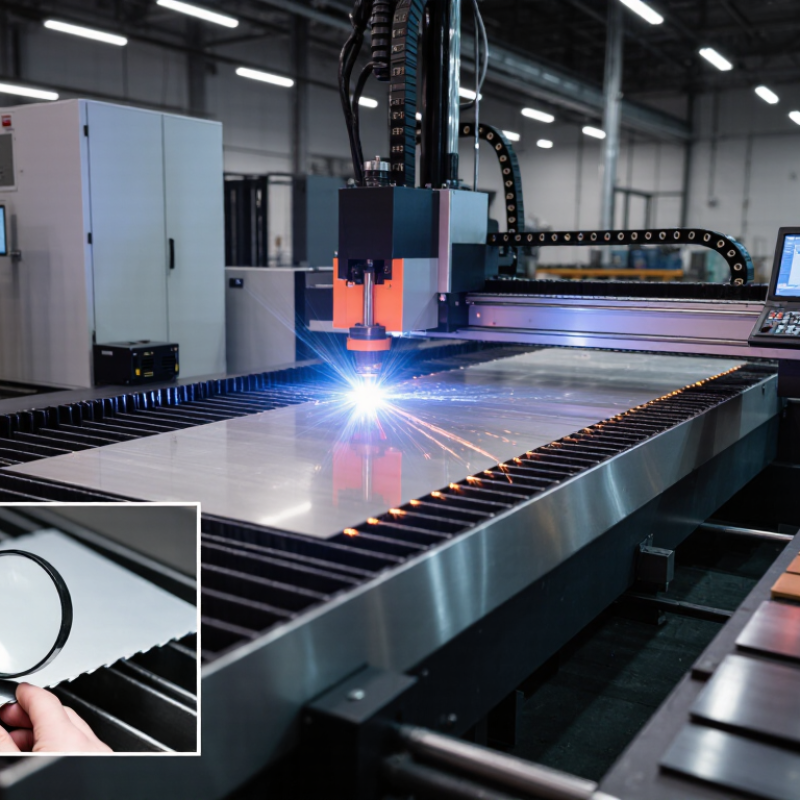
Look for manufacturers that provide cutting tests using your actual steel, aluminum, or brass thicknesses. Request close-up samples. Inspect edges, corners, piercing marks, and slag. Ask how quickly replacement lenses, nozzles, and protective windows can arrive. A trustworthy supplier should also explain warranty limits, operator training, software updates, and remote troubleshooting.

Certifications matter, but paperwork cannot replace production evidence. Factory audits, customer references, and video demonstrations can reveal useful details. Some suppliers may advertise impressive speed while hiding reduced quality or unsuitable duty cycles. That deserves careful questioning.

The best choice may not be the cheapest machine. It should be the supplier that combines stable Cnc Fiber Laser performance, honest communication, and dependable after-sales service. Even this approach has limits. Every workshop has different materials, workloads, and operator skills, so final decisions should follow practical testing.
China Top CNC Fiber Laser Cutting Machine Suppliers?

CNC Fiber Laser Cutting: 1.06–1.08 μm Wavelength and Core Technology

China Top CNC Fiber Laser Cutting Machine Suppliers?

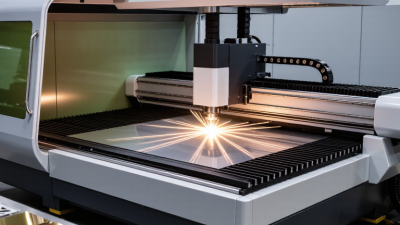
CNC fiber laser cutting machines commonly operate at a 1.06–1.08 μm wavelength. This near-infrared beam is well absorbed by steel, stainless steel, aluminum, and copper. The wavelength supports efficient cutting with relatively low heat transfer. It also enables compact beam delivery through optical fiber.

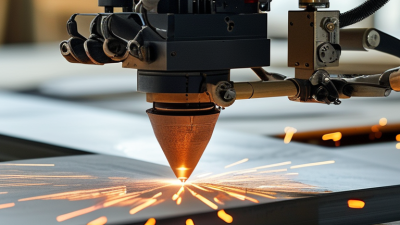
Core technology matters more than a polished machine cabinet. A stable fiber source, accurate motion system, and clean protective lens must work together. The focusing head controls spot size and depth of field. Even a small optical contamination can create uneven edges or lens damage. Experienced operators check nozzle alignment, gas pressure, and focal position before production. These details often decide whether a machine performs reliably.

Tips: Ask suppliers for cutting samples using your actual material and thickness. Request repeatability data, maintenance records, and technical training details. Inspect the control software, not only the cutting speed. A fast advertisement can hide unstable piercing or excessive dross. Copper and reflective metals need careful parameter testing. Results may vary.

One practical limitation deserves attention: wavelength alone does not guarantee quality. Beam mode, power stability, assist gas control, and mechanical accuracy are equally important. During evaluation, record edge roughness, piercing time, kerf width, and energy use. Recheck those measurements after several operating hours. A machine that looks excellent during one demonstration may still require refinement in real production.

Key Supplier Metrics: 1–30 kW Power, ±0.03 mm Accuracy, and Cutting Speed

China Top CNC Fiber Laser Cutting Machine Suppliers?

When comparing Chinese CNC fiber laser cutting machine suppliers, power is only the opening measure. A 1–3 kW system may suit thin stainless steel and carbon steel. Mid-range machines around 6–12 kW offer stronger productivity for regular fabrication work. Systems reaching 20–30 kW target thick plate processing, but their value depends on workload, gas use, and thermal control.

Accuracy needs practical verification. A claimed ±0.03 mm tolerance should connect with a test-cut report, calibration records, and repeatability data. Ask how accuracy changes after several hours of operation. In shop-floor trials, edge quality can shift when lenses become dirty or sheet alignment is poor. Small details matter. The machine must also maintain stable beam delivery, rigid movement, and reliable focusing across the work area.

Cutting speed should be compared with material thickness, gas pressure, nozzle size, and edge requirements. A supplier may advertise a high maximum speed on thin sheet, yet production speed can be much lower. Request sample cuts using your own drawings and materials. Check piercing time, dross, kerf width, and corner quality. I have found that fast cutting is not always efficient cutting. Service response, operator training, spare-part availability, and software usability deserve equal attention. Some specifications look precise, but the testing conditions may remain unclear. That deserves a closer question.

China’s Supplier Ecosystem: ISO 9001, CE, and Factory Capability Standards

China’s Supplier Ecosystem: ISO 9001, CE, and Factory Capability Standards

Choosing a CNC fiber laser cutting machine supplier requires more than comparing prices. ISO 9001 shows that documented quality procedures guide production and inspection. However, certification alone does not guarantee consistent machine performance. Buyers should review the certificate’s scope, validity, and issuing body. Ask how incoming materials, assembly accuracy, and final testing are controlled. A reliable factory can explain these steps clearly.

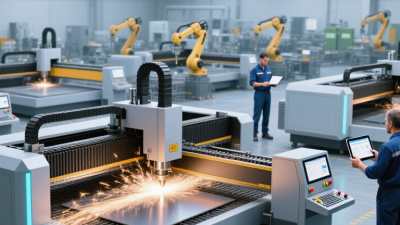
CE compliance indicates that applicable European safety and conformity requirements have been addressed. It should include suitable technical documentation, risk assessment, and a declaration of conformity. Do not treat a CE mark as a complete quality report. Examine electrical protection, guarding, emergency stops, software controls, and operator instructions. Factory capability also matters. Visit production areas, inspect testing equipment, and request sample cutting records. Real evidence is stronger than polished presentations.

Tips: Request recent audit records, machine test videos, and references from comparable users. Check whether the supplier produces key assemblies or mainly outsources them. Confirm installation support, spare parts, training, and response times in writing. A small warning sign matters. If answers remain vague, pause before signing. I have found that even capable suppliers may overlook minor details, such as unstable workshop temperature or incomplete packaging checks. These issues deserve honest discussion before shipment.

China’s CNC Fiber Laser Cutting Machine Supplier Ecosystem

Recommended supplier-evaluation framework based on ISO 9001 quality management, CE conformity requirements, machine-safety documentation, traceability, and factory capability. The percentages represent review priorities rather than company-specific scores.

ISO 9001:2015 supports documented quality processes and continual improvement. CE compliance requires applicable EU conformity assessment, technical documentation, risk assessment, and a Declaration of Conformity. Factory capability should be verified through production records, inspection procedures, testing equipment, and after-sales support evidence.

Reference framework: ISO 9001:2015; EU Machinery Directive 2006/42/EC and applicable CE conformity requirements; EN ISO 12100 machine risk assessment principles.

Comparing Top Suppliers by Materials, Thickness, Automation, and Applications

China Top CNC Fiber Laser Cutting Machine Suppliers?

Supplier comparisons should begin with material, not advertised wattage. Carbon steel cuts predictably, while stainless steel needs controlled nitrogen or oxygen flow. Aluminum reflects heat differently. Copper demands stronger optics and careful power management. A 3 kW system may handle thin sheets efficiently, but thicker plate requires higher power, slower travel, and better heat control. Grand View Research’s 2024 report projects the laser cutting machine market to grow at about 7.2% annually through 2030. That growth reflects wider adoption in sheet-metal fabrication, vehicle parts, and general manufacturing.

Automation changes the buying decision. Exchange tables reduce loading delays. Autofocus heads improve repeatability across changing thicknesses. Automatic nozzle cleaning and height sensing also protect cutting quality. MarketsandMarkets’ 2024 fiber-laser analysis identifies industrial manufacturing as a leading application area. For high-volume work, connect the machine with loading towers, production software, and barcode tracking. Smaller workshops may gain more from reliable manual loading and simple controls. More automation is not always better.

Tips: Ask for test cuts using your actual material and thickness. Request measured kerf width, edge roughness, piercing time, and gas consumption. Inspect sample corners closely. Do not trust polished videos alone. A supplier should explain lens maintenance, calibration intervals, and local service response. I would also compare five-year operating costs, not only purchase prices. Some evaluations overlook electricity, assist gas, consumables, and operator training. That mistake becomes expensive.

China Top CNC Fiber Laser Cutting Machine Suppliers? — Comparing Top Suppliers by Materials, Thickness, Automation, and Applications

Supplier Profile Typical Laser Power Recommended Materials Typical Mild Steel Thickness Typical Stainless Steel Thickness Typical Aluminum Thickness Working Area Options Automation Level Key Applications Best-Fit Buyer
Profile A
Entry-Level Sheet Specialist
1–3 kW Carbon steel, stainless steel, aluminum, galvanized steel, brass Up to approximately 16 mm Up to approximately 8 mm Up to approximately 6 mm 1,500 × 3,000 mm
1,500 × 4,000 mm
Basic CNC control, automatic edge finding, powered table exchange optional Sheet-metal fabrication, signage, kitchen equipment, small machinery parts Small workshops and businesses replacing CO₂ laser or plasma equipment
Profile B
General Fabrication Supplier
3–6 kW Carbon steel, stainless steel, aluminum, copper, brass, galvanized steel Approximately 20–25 mm Approximately 12–16 mm Approximately 10–12 mm 1,500 × 3,000 mm
2,000 × 4,000 mm
2,000 × 6,000 mm
Automatic nozzle changer optional, automatic focus, dual-pallet exchange General metal fabrication, agricultural machinery, electrical cabinets, furniture frames Contract manufacturers requiring a flexible all-round machine
Profile C
High-Productivity Sheet Supplier
6–12 kW Carbon steel, stainless steel, aluminum, copper, brass, coated sheet Approximately 25–35 mm Approximately 20–25 mm Approximately 16–20 mm 2,000 × 4,000 mm
2,000 × 6,000 mm
2,500 × 6,000 mm
Automatic pallet changer, nesting software, nozzle cleaning, piercing optimization High-volume sheet processing, construction machinery, industrial enclosures, automotive components Manufacturers prioritizing throughput and reduced handling time
Profile D
Heavy-Plate Cutting Supplier
12–30 kW Carbon steel, stainless steel, aluminum, copper and other reflective metals with suitable process settings Approximately 40–60 mm Approximately 30–40 mm Approximately 25–35 mm 2,000 × 6,000 mm
2,500 × 8,000 mm
3,000 × 12,000 mm
High-power cutting head, automatic gas control, pallet exchange, collision monitoring Heavy equipment, steel structures, shipbuilding components, mining machinery, pressure-equipment parts Large fabricators processing thick plate in long production runs
Profile E
Tube and Sheet Combination Supplier
3–12 kW Round, square and rectangular tube; carbon steel, stainless steel, aluminum and galvanized tube Sheet: approximately 20–30 mm Tube: commonly up to 8–12 mm wall thickness, depending on power and section size Tube: commonly up to 6–10 mm wall thickness, depending on power and section size Sheet table plus tube lengths of approximately 3,000–6,500 mm Automatic tube alignment, chuck clamping, remnant management, optional loading and unloading Racking, fitness equipment, construction frames, vehicle parts, furniture and lighting Companies cutting both flat sheet and structural tubing
Profile F
Automated Production-Line Supplier
6–20 kW Carbon steel, stainless steel, aluminum, galvanized steel, brass and copper Approximately 25–45 mm Approximately 20–30 mm Approximately 16–25 mm 2,000 × 4,000 mm
2,000 × 6,000 mm
3,000 × 12,000 mm
Automatic storage connection, loading and unloading, pallet exchange, production monitoring, MES/ERP interface optional Automotive supply chains, standardized components, HVAC, appliances and large-scale contract manufacturing Factories seeking lower labor input, traceability and continuous production
Profile G
Precision Small-Part Supplier
1–6 kW Stainless steel, carbon steel, aluminum, brass, copper and thin coated sheet Approximately 10–20 mm Approximately 6–12 mm Approximately 5–10 mm 1,000 × 2,000 mm
1,500 × 3,000 mm
High-accuracy linear drive, automatic focus, fine-piercing settings, vision or positioning options Precision brackets, electronics housings, medical-device parts, decorative panels and small components Buyers emphasizing edge quality, repeatability and low material waste
Profile H
Large-Format Custom Machine Supplier
6–30 kW Large carbon-steel plate, stainless steel, aluminum and fabricated structural materials Approximately 30–60 mm Approximately 20–40 mm Approximately 16–35 mm 2,500 × 8,000 mm
3,000 × 12,000 mm
Custom formats available
Extended-bed design, multi-pallet options, automatic gas and process control, customized material handling Wind-power structures, bridges, heavy machinery, steel-service centers and oversized components Industrial users needing non-standard bed sizes or customized workflows

Note: Thickness figures are representative engineering ranges for commonly used CNC fiber-laser configurations and are not guaranteed cutting limits. Actual performance depends on laser power, cutting-head design, assist gas, material grade, surface condition, nozzle selection, part geometry and required edge quality. Buyers should request test cuts and a configuration-specific cutting chart before making a purchase.

Procurement Framework: Total Cost, Energy Use, Warranty, and Service Coverage

When comparing China’s top CNC fiber laser cutting machine suppliers, purchase price is only the opening figure. A reliable procurement review calculates total cost over five years, not just the invoice. Request machine price, installation, training, freight, taxes, software, tooling, and recommended spares separately. Ask for a written production test using your own steel thicknesses and cutting files. Details matter. A clean sample may hide slow piercing, frequent nozzle changes, or unstable kerf quality.

Energy use deserves measured evidence. Request power consumption during cutting, standby, and peak acceleration. Compare the laser source, chiller, extraction unit, compressor, and assist-gas demand together. A machine using less electricity may consume more oxygen or nitrogen. Record operating hours and local utility rates, then model cost per finished part. This calculation is imperfect when workloads change, but it is more useful than a brochure rating. Ask for meter data from a comparable installation, if available.

Warranty language should identify coverage periods, excluded consumables, response times, and travel costs. Read the exclusions. Confirm remote diagnosis and regional stock for critical parts. Service coverage should include commissioning, operator training, preventive maintenance, and software support. Ask for escalation contacts, not only a sales representative. Review service records from similar industries. Promised response time may not equal repair time. Put uptime targets, spare-part pricing, and service duties into the contract. Then have an independent technician review it.