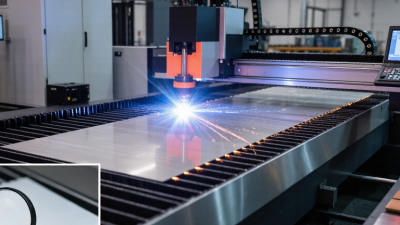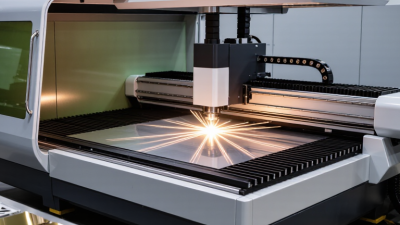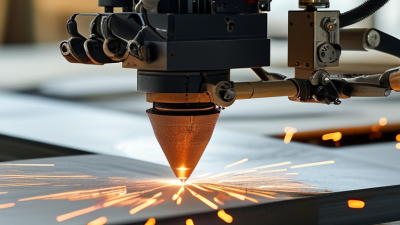
Choosing China’s top Cnc Fiber Laser Cutting Machine supplier takes more than comparing laser power or asking for the lowest quotation. A useful assessment examines cutting accuracy, machine stability, service support, and the supplier’s ability to demonstrate results on your material. Bring actual samples. Inspect the cut edge, kerf width, and consistency across repeated parts.
Laser expert Reinhart Poprawe has emphasized the importance of integrating laser technology with the manufacturing process. In practical terms, match the machine to your materials, thickness range, shift pattern, and production goals. A fast machine is not automatically the right machine. Ask about its source, cutting head, motion system, control software, training, spare parts, and response times. Request a live test using your own drawings, then compare the finished parts with your tolerances. Check references from manufacturers with similar workloads, not just polished demonstration videos. Some details are easy to overlook. A clear service plan can matter more than a headline speed. This guide considers Chinese suppliers through those practical checks, while recognizing that performance varies by configuration and application. No single brand fits every shop. The strongest choice is the one that proves its capability, explains its limits, and supports your team after installation.
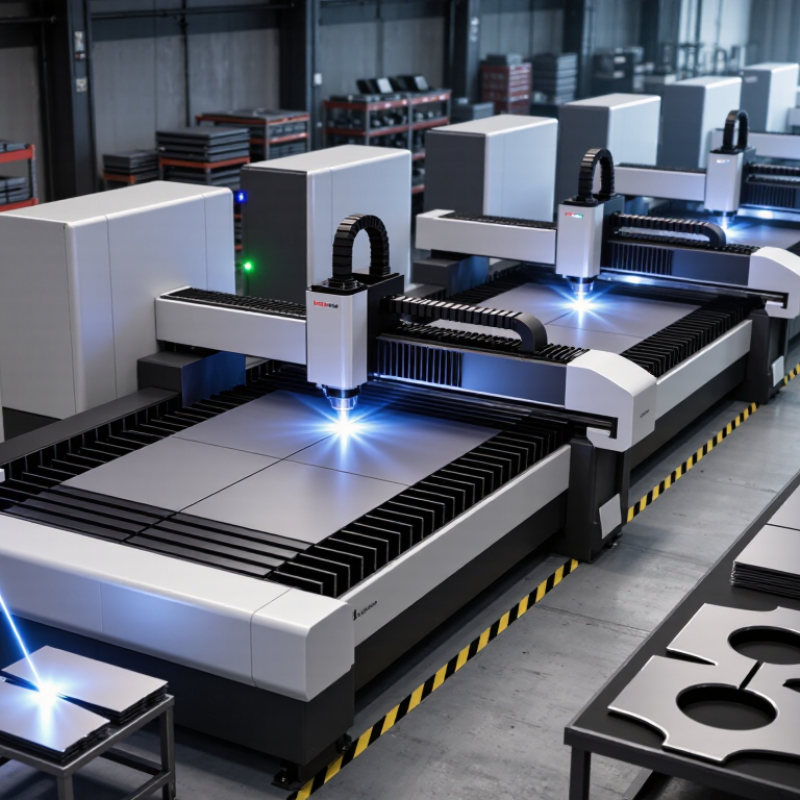
China’s CNC fiber laser cutting machine market is defined by more than laser power. It includes machines using computer numerical control, a fiber laser source, motion components, cutting heads, and control software. Buyers also compare bed size, cutting accuracy, supported sheet thickness, automation, and after-sales service. A machine rated for high power may still disappoint if setup, maintenance, or operator training is weak.
Grand View Research estimated the global laser cutting machine market at about US$5.1 billion in 2023, with growth projected from 2024 to 2030. That figure covers the worldwide market, not China alone, and does not identify a top Chinese supplier. It does show why comparisons need clear criteria.
Not wattage alone. In China, the supplier landscape spans equipment manufacturers, system integrators, and component makers, so quoted specifications may not describe complete systems equally.
Ask for sample cuts on the intended material, with thickness and assist-gas conditions recorded. Check the cut edge, heat marks, and repeatability—not just the showroom demonstration.
The boundary is imperfect: service quality and real operating costs are harder to compare than machine specifications.
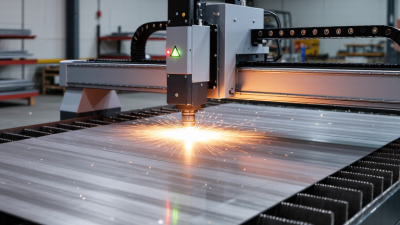
A leading Chinese CNC fiber laser cutting machine supplier is distinguished by more than a large catalog or polished showroom. Its engineers should explain how laser power, cutting-head configuration, motion accuracy, and material thickness affect the finished edge. Ask for a sample cut in your actual material, not just a demonstration on thin steel. Inspect the kerf, corners, and small holes closely. Details matter.
Reliable suppliers provide clear specifications and test records, including positioning accuracy, repeatability, and cutting-speed conditions. They should also discuss practical needs such as extraction, maintenance access, operator training, and spare-parts availability. A precise answer is more useful than a broad promise. Check whether the quoted configuration matches the machine delivered, and ask who handles installation and technical support. These details can reveal how well a supplier understands real production conditions.
Experience matters, but it should be verifiable through relevant application examples and references where available. One successful sample is not proof of consistent performance. I would ask how the supplier investigates uneven edges or changing cut quality, because those problems do happen. Not every answer will be perfect. A thoughtful supplier acknowledges limits, documents follow-up steps, and gives buyers enough information to compare machines without pressure.
There is no single public ranking that reliably identifies China’s top CNC fiber laser cutting machine suppliers. Recognition usually comes from measurable performance: cut consistency, machine uptime, local service, and spare-parts availability.
Fortune Business Insights estimated the global laser cutting machine market at USD 6.72 billion in 2023, reflecting demand across sectors such as sheet-metal fabrication. Market growth alone, however, does not prove a supplier’s quality.
The International Federation of Robotics reported that China installed 276,288 industrial robots in 2023, about 51% of global installations. That figure shows the scale of China’s automation ecosystem, not a direct ranking of laser-cutting manufacturers.
Buyers should compare verified factory references, safety documentation, and test cuts on their own materials. Ask for a timed sample: a clean edge on a 6 mm stainless-steel plate matters more than a polished brochure. Check whether the supplier explains lens care, nozzle changes, and expected consumable life in clear terms. Details matter.
A cautious point: published specifications can be difficult to compare, because cutting speed depends on material, thickness, gas, and edge-quality targets. Recognition is strongest when claims are supported by repeatable trials and responsive technical service.
A supplier’s laser rating is only a starting point. The International Federation of Robotics reported 553,052 industrial robot installations worldwide in 2022, with 290,258 in China. That scale signals a demanding automation environment, but it does not prove any individual machine’s accuracy or uptime. Ask suppliers for repeatable test results on your own material and thickness. Check edge quality, kerf consistency, and positioning accuracy after several hours of cutting, not just during a brief demonstration. A glossy demo proves little.
Service can separate similar machines. Request written response times, local technician coverage, and a list of common spare parts. Ask how quickly the supplier can provide a cutting head, protective windows, or a replacement control component. Then verify these claims with customer references operating comparable shifts. Reliability needs evidence. Review maintenance records, fault logs, and uptime calculations, and clarify what each supplier counts as downtime. A machine may cut quickly yet lose production to frequent setup or delayed support.
Technology comparisons should include the fiber source, cutting head, control software, and integration with loading systems. Have operators test the interface; a technically advanced machine can still slow a shop if routine settings are hard to find. I would also compare energy use per finished part, not only rated power. Supplier data may use different test conditions, so direct comparison is imperfect. That is worth questioning before purchase.
Who Is China’s Top CNC Fiber Laser Cutting Machine Supplier?
How to Choose the Right CNC Fiber Laser Cutting Machine Supplier
Choosing a supplier starts with your parts, not a brochure. List your material types, thickness range, daily cutting hours, and required tolerances. Then ask shortlisted suppliers to cut your own files and sheet material. Inspect the edges, pierce marks, and dimensions—not just the machine’s advertised speed. Grand View Research’s Laser Cutting Machines Market report estimated the global market at about US$5.26 billion in 2023, with a projected 7.7% annual growth rate through 2030. That growth suggests plenty of options, but a large market is no guarantee of dependable after-sales support.
Check what happens after installation. Ask who commissions the machine, how quickly technicians respond, and whether routine components are available locally. Request a written acceptance test covering positioning accuracy, cutting quality, and operating conditions. Compare warranty terms and training hours, not only the quoted price. Numbers are not enough. I would not treat a polished showroom as proof of long-term reliability; service records and a live test matter more.
Tips: Send the same sample files to each supplier. Confirm the exact laser source, cutting head, and control system in writing. Ask for two customer references using similar materials. Test your own material. A lower quote may still suit your shop, but only if the support plan is clear—and honestly, this is where buyers sometimes rush.
There is no single supplier that is best for every buyer. Use this supplier-selection scorecard to compare documented capabilities, support, and total ownership costs. The suggested weightings are a starting point and can be adjusted for your application.
| Evaluation dimension | Suggested weight | What to check | Useful evidence to request |
|---|---|---|---|
| Cutting capability | 20% | Confirm the machine configuration suits the materials, grades, thicknesses, part sizes, and production volume you actually need. Cutting results vary with material and process settings. | A live or recorded sample cut using your material and representative part files; documented cutting conditions and results. |
| Machine configuration | 15% | Compare the working area, laser source and rated output, cutting head, CNC control, bed construction, loading options, and included software. Check that the quotation specifies each item. | A complete bill of materials, technical specifications, machine layout, and a list of included and optional components. |
| Accuracy and repeatability | 15% | Assess whether stated positioning and repeatability figures meet your part tolerances. Results depend on the machine, setup, material, and measurement method. | Written specifications, the stated test method, and a demonstration or inspection report for representative parts. |
| Technical service and training | 15% | Check installation, operator training, troubleshooting channels, service hours, language coverage, and availability of qualified technicians in your region. | A written service plan, response-time commitments, training scope, and details of local or remote support arrangements. |
| Warranty and spare parts | 10% | Review warranty duration, covered components, exclusions, shipping responsibility, and the process for obtaining replacement parts. | The full warranty terms and a recommended spare-parts list with prices and expected availability. |
| Safety and regulatory documentation | 10% | Verify guarding, interlocks, emergency stops, operating instructions, and documentation applicable to the machine and the regulations in your destination market. | Risk and safety documentation, applicable conformity documents, and a clear description of the delivered machine configuration. |
| Delivery and commissioning | 5% | Clarify manufacturing lead time, packaging, shipping terms, site requirements, installation responsibilities, and commissioning milestones. | A delivery schedule, written shipping terms, installation checklist, and site-preparation requirements. |
| Total cost of ownership | 10% | Compare the full cost, not just the purchase price: shipping, duties, installation, utilities, assist gases, consumables, maintenance, and expected downtime. | An itemized quotation and a maintenance and consumables schedule with clearly stated assumptions. |
| Total suggested weighting | 100% | Score each supplier against the same requirements and evidence. Prioritize demonstrated fit for your production needs over unverified claims or headline specifications. | |
Practical selection tip: Before placing an order, request a written quotation, a test cut on your material, and clear documentation of the machine configuration, warranty, service scope, and delivery terms.