One-stop Laser Industry Solution
Leave Your Message

2026 Top Laser Cutting Machine Innovations and Trends for Industry?

The year 2026 promises significant advancements in the field of laser cutting machines. As industries evolve, so do the technologies that serve them. Innovations in laser cutting machines increase efficiency, precision, and versatility. Businesses are eager to embrace these changes to maintain a competitive edge.

Recent trends highlight the integration of AI and smart technologies into laser cutting processes. These developments create opportunities for automation, enabling faster production times. Enhanced software allows operators to achieve complex designs with ease. However, the learning curve may pose challenges. Companies must adapt to new systems and invest in training.

Sustainability remains a key focus for manufacturers. Eco-friendly materials and energy-efficient machines are becoming standard. This shift may raise questions about cost versus environmental impact. Companies are urged to reflect on their practices. The laser cutting machine of the future will not only cut materials but also shape a sustainable industry.
2026 Top Laser Cutting Machine Innovations and Trends for Industry?

Innovations in Laser Cutting Technology for 2026: An Overview

The laser cutting industry is poised for significant advancements in 2026. As per a recent report by MarketsandMarkets, the global laser cutting machine market is expected to grow from $4.78 billion in 2021 to $8.14 billion by 2026. This growth reflects a substantial demand for precision manufacturing and the rising adoption of automation technologies.

One of the prominent innovations involves the integration of AI into laser cutting systems. Utilizing AI will enhance process efficiency and quality control. This technology can optimize cutting parameters in real-time, reducing material waste by up to 20%. Moreover, user-friendly interfaces are emerging, enabling operators to execute complex tasks with minimal training.

Sustainability is becoming a critical trend as well. Manufacturers are focusing on energy-efficient systems. Reports indicate that eco-friendly laser cutting machines consume 30% less energy than their predecessors. Still, challenges remain in material utilization and recycling practices. The industry must address these concerns for sustainable growth. While innovations are promising, ongoing research is required to enhance techniques and reduce potential drawbacks.
Trends Shaping the Future of the Laser Cutting Industry in 2026

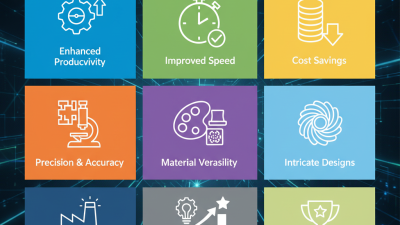
The laser cutting industry is set for dramatic changes in 2026. Advancements in technology are driving efficiency. Reports indicate that laser cutting machines are becoming 25% faster than previous models. This improvement fuels higher productivity and lower operational costs.

Sustainability is a growing trend in this field. Manufacturers are focusing on eco-friendly materials and energy-efficient practices. A recent industry study highlighted that 72% of companies are investing in sustainable laser cutting solutions. These innovations not only enhance production but also reduce carbon footprints.

Industry experts predict a rise in smart automation. Integration of AI and IoT is reshaping operations. Smart machines can self-diagnose issues, reducing downtime by approximately 30%. This shift allows operators to focus on complex tasks rather than routine maintenance. However, there are challenges in upskilling the workforce to manage these advanced technologies. As the industry evolves, continuous learning will be essential to harness the full potential of these innovations.

Impact of Automation on Laser Cutting Machines in Manufacturing

The rise of automation is reshaping the landscape of laser cutting machines in manufacturing. As industries embrace smarter technologies, the integration of AI and robotics is streamlining operations. Machine learning algorithms are optimizing cutting paths and speeds, increasing efficiency. This innovation is crucial in meeting high production demands while maintaining precision.

Tips: Invest in training for your staff. Understanding new technologies enhances the implementation of automation. Regular workshops can boost confidence in using upgraded systems.

Additionally, automation impacts not only productivity but also safety standards. Advanced sensor technologies reduce error rates and protect workers. However, relying heavily on machines can lead to complacency. Workers need to remain vigilant.

Tips: Conduct routine safety drills. Regularly test employees on safety practices, ensuring they are aware of machine functions and potential hazards. Continuous feedback can lead to improvements in both safety and productivity.

Embracing automation is essential, but it comes with challenges. Companies must reflect on the balance between human skill and machine efficiency. This reflection can guide strategic decisions in adopting new technologies.

Sustainability in Laser Cutting: Green Technologies and Practices for 2026

Sustainability is becoming crucial in the laser cutting industry. As technology evolves, green practices are gaining traction. The International Energy Agency reports that industrial energy consumption could be reduced by 25% with improved laser technologies. This is a significant number and highlights the need for greener innovations.

One trend in 2026 is the adoption of fiber lasers. They are more energy-efficient than traditional CO2 lasers. A report by the Laser Institute of America notes that fiber lasers can use up to 50% less power. However, without proper implementation, these benefits may not be fully realized. Companies must invest in training and technology upgrades.

Recycling waste materials is another area needing attention. Studies suggest that only 30% of laser cut materials are recycled effectively. Businesses must develop better waste management practices. Understanding the importance of circular economy principles is key. These efforts can lead to reduced environmental footprints but require intentional changes. Implementing these practices poses challenges but is necessary for a sustainable future in laser cutting.

2026 Laser Cutting Innovations: Trends in Sustainability

Key Market Statistics and Growth Projections for Laser Cutting Equipment

The laser cutting machinery market is experiencing significant growth. According to industry reports, it's projected to reach approximately $5.2 billion by 2026. This growth reflects the increasing adoption of laser cutting technologies across various sectors. Industries such as automotive, aerospace, and electronics are driving this surge. They value laser cutting for its precision and efficiency.

Furthermore, advancements in technology contribute to this trend. The integration of artificial intelligence and automation enhances operational efficiency. Reports indicate that laser systems are expected to improve in speed and accuracy, fostering innovation in design and production. This change will likely make laser cutting more accessible for small and medium enterprises.

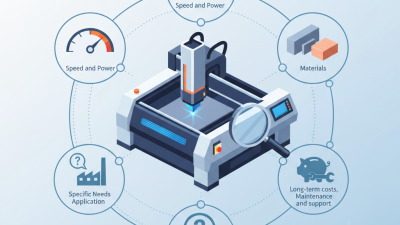
Tip: When considering laser cutting technologies, evaluate your specific needs. Not every solution fits every application. Tailoring technology to your use case will yield better results.

The rise in demand also poses challenges. Manufacturers must focus on reducing costs while maintaining product quality. As competition heats up, it's crucial to invest in training personnel. Skilled operators are key to maximizing equipment capabilities.

Tip: Regular maintenance of laser cutting machines is essential. Neglecting this can lead to downtime and increased costs. Implement a maintenance schedule to mitigate risks.