One-stop Laser Industry Solution
Leave Your Message

What is Laser CNC Machine for Metal and How Does It Work?

The Laser CNC Machine for Metal has revolutionized the manufacturing industry. According to a report by MarketWatch, the global laser cutting machine market is expected to reach $6.57 billion by 2025. This forecast highlights the growing demand for precision and efficiency in metalworking.

Dr. Emily Chen, a leading expert in laser technology, states, "The Laser CNC Machine for Metal offers unparalleled accuracy and speed." Her insights emphasize the importance of these machines in modern metal fabrication processes. Companies are increasingly adopting laser CNC technology to enhance productivity.

However, challenges remain. The initial investment is substantial. Not all businesses can afford advanced equipment. There are also ongoing maintenance costs to consider. As the industry evolves, finding ways to balance innovation with affordability will be crucial for wider adoption.
What is Laser CNC Machine for Metal and How Does It Work?

Understanding Laser CNC Machines for Metal Cutting

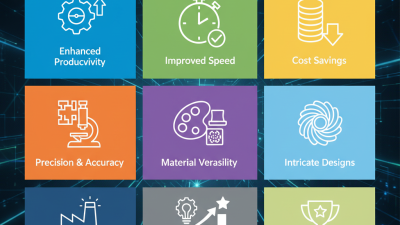
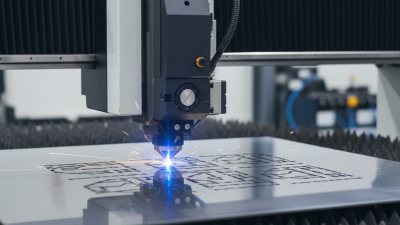
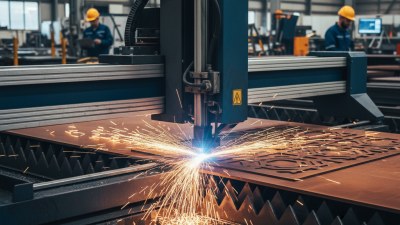
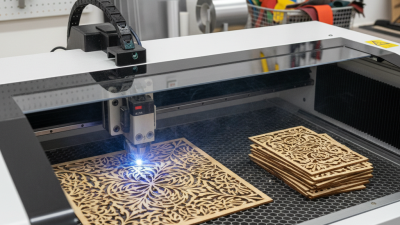
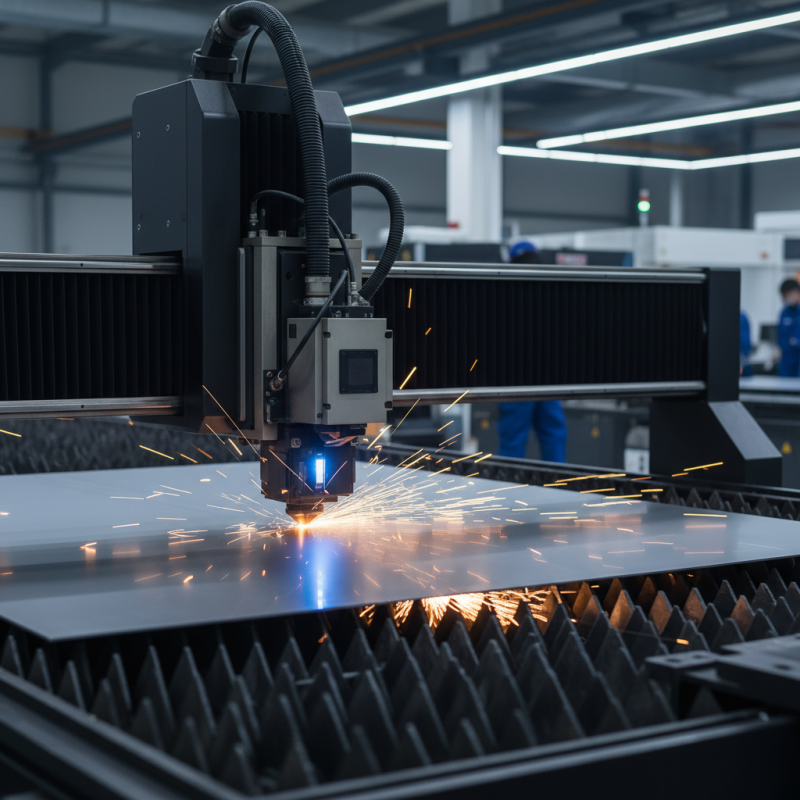
Laser CNC machines are transforming the metal cutting industry. They utilize a focused laser beam to melt or vaporize metal materials. This method allows for high precision and intricate designs not easily achieved with traditional cutting tools. When it comes to accuracy, these machines excel. They can cut complex shapes with minimal waste. The setup process requires skilled operators to program the desired designs.

These machines rely on computer numerical control (CNC) technology. Operators input specifications through specialized software. The CNC system translates these inputs into commands for the laser. This fluidity enhances efficiency, but it can also lead to errors if not carefully monitored. Operators must remain attentive throughout the cutting process.

While laser cutting offers many benefits, it has limitations. For instance, the initial cost of a laser CNC machine can be high. Additionally, materials like reflective metals can cause cutting inconsistencies. Operators need to be cautious with settings to avoid damage. Continuous learning and adjustment are essential for optimal results.

What is Laser CNC Machine for Metal and How Does It Work?

Feature Description
Cutting Thickness Up to 25mm depending on material type
Power Source CO2 or Fiber Laser
Beam Quality High beam quality for precision cutting
Cutting Speed Highly efficient, varies with material
Material Compatibility Steel, Aluminum, Brass, Copper, etc.
Control System CNC (Computer Numerical Control)
Advantages High precision, minimal heat affected zone, versatility
Common Applications Aerospace, Automotive, Fabrication, Signage

Components of Laser CNC Machines and Their Functions

What is Laser CNC Machine for Metal and How Does It Work?

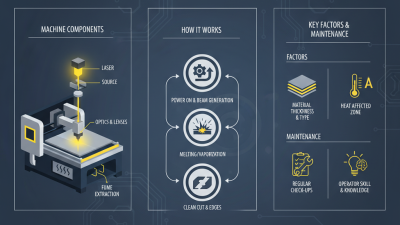
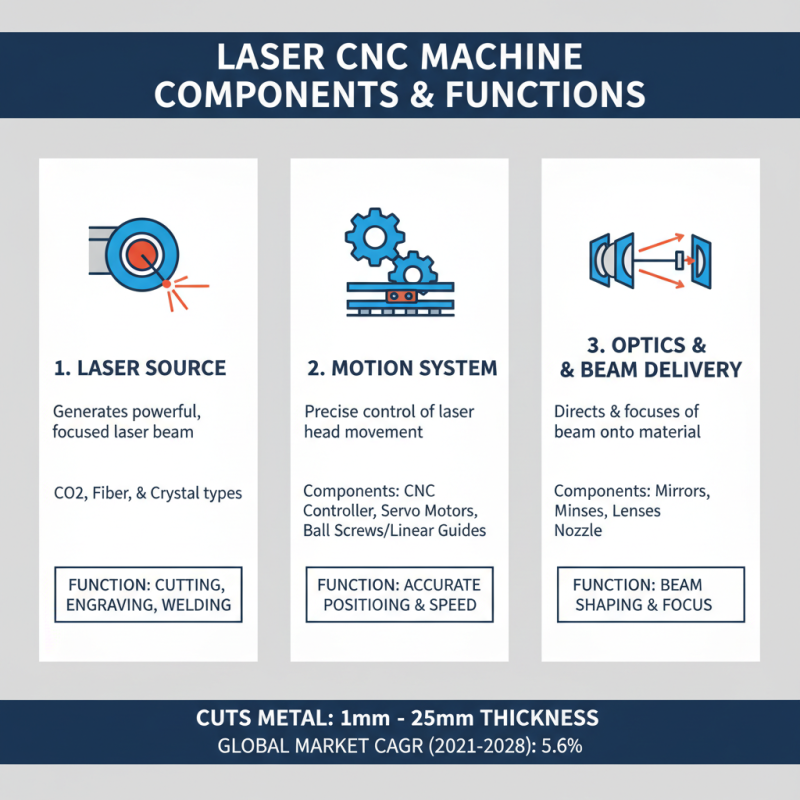
Laser CNC machines are engineered with specific components that contribute to their advanced functionality. The primary component is the laser source, which generates a highly focused beam of light. This beam can slice through metal with precision, achieving thickness ranging between 1 mm and 25 mm, depending on the type of metal. According to industry reports, the global laser cutting machines market is expected to grow at a CAGR of 5.6% from 2021 to 2028, driven by advancements in laser technology.

A critical element in these machines is the CNC controller. This system acts as the brain, translating digital designs into machine movements. It coordinates the movement of the laser head along multiple axes, allowing for intricate and complex designs. Additionally, the cutting bed is where the metal piece is placed. This component stabilizes the workpiece and ensures accurate cuts, minimizing material wastage. An efficient cutting bed can improve the cutting process by up to 30%, reflecting the significant impact of each part.

Cooling systems also play a crucial role. High-powered lasers generate heat that can affect performance and longevity. Effective cooling extends the life of laser machines and enhances their precision during operations. However, investing in improved cooling solutions can pose a challenge, requiring additional research and funding. Operators must regularly check these components to ensure optimal machine performance, highlighting the importance of maintenance in laser CNC operations.

Mechanism of Laser Cutting Process Explained

What is Laser CNC Machine for Metal and How Does It Work?

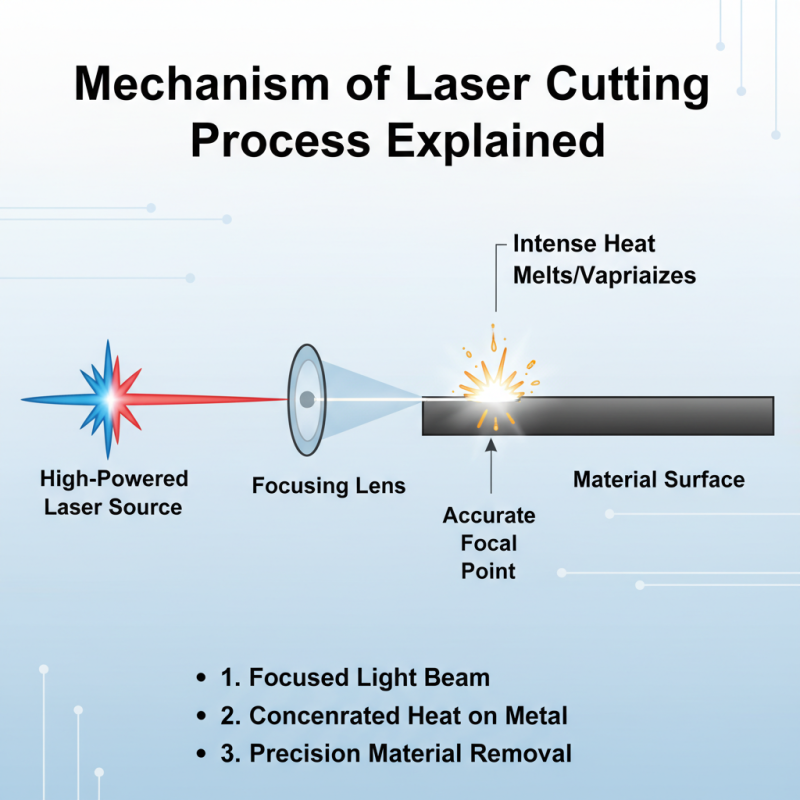
The laser cutting process operates on a mechanism that utilizes focused light to remove material. A high-powered laser beam is concentrated on the metal surface. This intense heat melts or vaporizes the material in a very precise manner. The beam's focal point is crucial; it must be accurately aligned for efficient cutting.

As the beam moves, a stream of gas often accompanies it. This gas assists in blowing away the molten material, resulting in a clean edge. The speed and accuracy of the cut depend on multiple factors, including the type of metal and the thickness involved. In practice, this means operators must adjust settings for optimal results.

While laser CNC machines offer speed, they also require expertise. Improper settings can lead to wasted material or poor-quality cuts. Operators might notice inconsistencies in the finish, demanding a deeper understanding of the machine's capabilities. The variability in metal types adds another layer of complexity. Mastering this process involves continual learning and adaptation, reflecting the unique challenges faced in metalworking.

Applications of Laser CNC Machines in Various Industries

Laser CNC machines play a significant role across various industries. In manufacturing, they offer precision cutting for metal parts. According to a market report by ResearchAndMarkets, the global CNC machine market is projected to reach $152 billion by 2027, highlighting the growing demand for such technology.

In automotive and aerospace, laser CNC machines reduce waste and enhance efficiency. These machines can cut complex shapes with minimal setup time. For instance, they improve the design flexibility of components. However, the initial investment can be high, which may deter some smaller manufacturers.

The metal fabrication industry also benefits from laser CNC technology. With the right setup, businesses can produce intricate designs at high speeds. Industry analysis indicates that nearly 25% of metal fabricators have adopted this technology, showcasing its relevance. Despite advancements, some manufacturers face challenges with maintenance and operator training. This underscores the need for continuous skills development.

Advantages and Limitations of Using Laser CNC Technology

Laser CNC machines have revolutionized metal processing. They offer remarkable precision and efficiency. According to a 2021 report by MarketsandMarkets, the global market for laser cutting technology is projected to reach $7.5 billion by 2026, showcasing its growing importance. The technology enables intricate designs with minimal waste. However, this does not come without challenges.

One significant advantage of laser CNC technology is its speed. High-speed lasers can cut through metal sheets of varying thickness in moments. The precision can be within a few microns, reducing the need for secondary operations. However, this technology may not be cost-effective for thicker materials. The initial investment for laser CNC machines can be high. Furthermore, maintenance requires skilled technicians, which adds to operational costs.

Another limitation is material compatibility. While laser cutting excels with metals, it struggles with reflective materials like copper and aluminum. This can necessitate alternative cutting methods, adding complexity to workflows. In some cases, the heat affected zone can lead to warping, especially with thin materials. Some users have experienced challenges in achieving consistent results across different metal types. This inconsistency requires careful monitoring and adjustments. Understanding these advantages and limitations is vital for making informed decisions in metal fabrication.

Advantages and Limitations of Laser CNC Technology