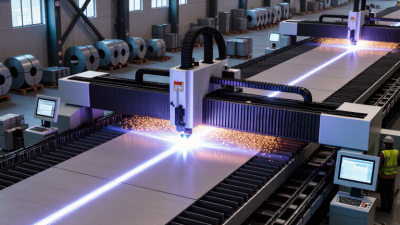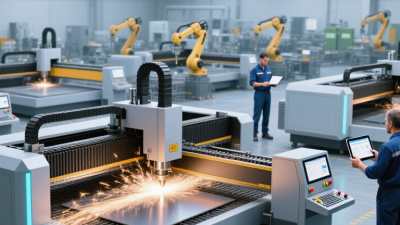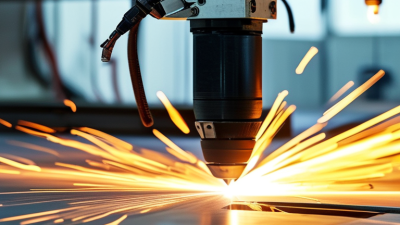
Choosing the right Metal Laser Cutting Machine in 2026 requires more than comparing purchase prices. Global buyers must examine cutting performance, service reliability, safety systems, and long-term operating costs.
This guide evaluates leading machines through practical manufacturing needs. It considers fiber laser power, working-table size, cutting thickness, positioning accuracy, and automation options. A 3 kW machine may suit thin stainless steel and carbon steel sheets. A 12 kW model can improve productivity for thicker plates, but it may increase energy use and maintenance demands. Small details matter. No shortlist is perfect.
Real purchasing experience shows that supplier support often influences results more than advertised speed. Buyers should request cutting samples, inspect factory certifications, and verify technical data with independent documentation. Ask how quickly replacement lenses, nozzles, and protective windows can arrive. Confirm whether technicians provide installation training and remote troubleshooting. A reliable supplier should explain limitations clearly, not promise every material and thickness without evidence.
The comparison also considers software usability, fume extraction, machine-frame stability, and operator safety. These factors affect daily output, workplace conditions, and equipment life. Total cost includes electricity, consumables, labor, software updates, and planned servicing. Warranty wording deserves careful review. It can reveal important exclusions.
Readers will find practical guidance for factories, metal service centers, and international distributors. The recommendations reflect common production scenarios, but local requirements and material quality still vary. Verify every specification before placing an order. Better decisions begin with measurable needs, not impressive brochures.
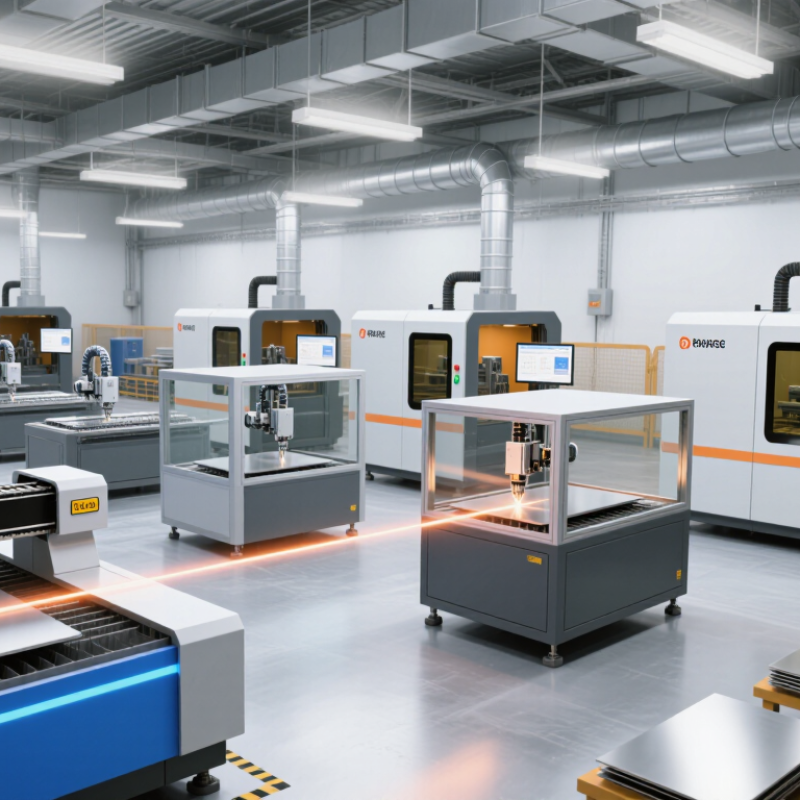
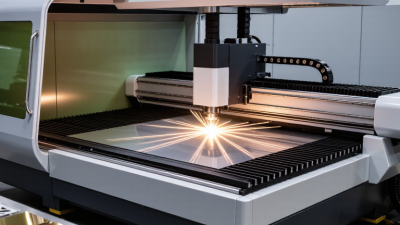
Metal laser cutting machines use a concentrated light beam to separate metal with high precision. A laser source creates the beam, while optics focus it onto a narrow point. The heat melts or vaporizes the material along a programmed path. Assist gas then removes molten metal from the cut.
Most modern systems combine a laser head, CNC controls, a moving table, and a cooling unit. The operator uploads a digital drawing and sets power, speed, focus, and gas pressure. Mild steel, stainless steel, and aluminum need different settings. A small focus error can leave rough edges or visible dross. The kerf, or cut width, also affects part accuracy.
In practical use, operators inspect the nozzle and protective lens before cutting. They often run a small test piece first. The first cut is rarely perfect. That is normal, but not always acceptable. Excessive heat may discolor stainless steel, while low power can create incomplete cuts.
Good machines include enclosure doors, interlocks, fume extraction, and emergency controls. Operators still need training and suitable protective procedures. Material thickness, surface condition, and workshop temperature can change results. This detail is easy to overlook. For global buyers, reliable documentation, service support, spare parts, and compliance with local safety requirements deserve the same attention as cutting speed.
In 2026, fiber laser technology is expected to lead metal cutting investment. Its high electrical efficiency, narrow kerf, and low maintenance suit steel, aluminum, and stainless production. Grand View Research estimates the global laser cutting machine market will expand at about 7% annually through 2030. That growth reflects more than headline power ratings. It reflects uptime.
Higher power will matter, but only for suitable workloads. Machines above 20 kW can improve throughput on thick plate, according to industry analyses from MarketsandMarkets. However, thicker is not always better. A poorly matched laser may increase energy use, heat distortion, and operating costs.
Buyers should test actual samples, including 6 mm stainless sheets with small holes and sharp corners.
Automation will become the stronger differentiator. Automated loading, nozzle monitoring, vision alignment, and nesting software can reduce idle minutes between jobs. The International Federation of Robotics reports continuing growth in industrial robot installations, supporting this factory trend.
Yet artificial intelligence is not magic. Dirty lenses, unstable gas pressure, or inaccurate material libraries still produce bad cuts. I have seen impressive demonstrations fail during long production runs. Buyers should request repeatability data, service response times, training records, and cutting results under ISO-aligned safety procedures before signing a global purchase agreement.
Comparing a metal laser cutting machine starts with the material, not the advertised wattage. Mild steel, stainless steel, aluminum, and copper transfer heat differently. A 3 kW fiber laser may handle thin stainless steel efficiently, while thicker plate often needs higher power and slower feed rates. Ask for verified cutting charts, not optimistic showroom samples. Look closely.
The working area should match your sheet sizes and loading method. A 1500 × 3000 mm bed suits common sheets, but larger fabricators may need extended tables or automatic exchange systems. Check positioning accuracy, repeatability, and edge quality on small holes. Poor parameter control can leave dross underneath the plate. Assist-gas pressure also matters; oxygen, nitrogen, and air produce different finishes and operating costs.
For daily production, examine the cutting head, nozzle changing process, collision protection, and software usability. Operators should adjust focus and pierce settings without wasting several test sheets. Review duty-cycle data, electrical requirements, filtration, and maintenance access. Service response is equally important for global buyers, especially when replacement optics or technical guidance cross borders. A cheaper machine can become expensive after repeated downtime. This comparison is not perfect: factory conditions, operator skill, and material batches can change results. Request sample tests using your own steel grades and thicknesses before making a purchase.
2026 Top Metal Laser Cutting Machines for Global Buyers
What Factors Should Global Buyers Evaluate Before Purchasing?
Demand is growing. Grand View Research estimated the global laser cutting machine market at about USD 6.8 billion in 2023, with strong growth forecast through 2030. That expansion can make specifications look more important than production reality. Buyers should match laser power with actual material thickness, sheet size, and daily cutting hours. A 12-kilowatt source may cut thick steel quickly, but it can waste capital in a low-volume workshop. Cutting speed, edge quality, pierce time, and kerf width deserve measured trials.
Energy performance also matters. The International Energy Agency reports that industry consumes nearly 40% of global final energy. Ask for measured power consumption, not only rated power. Check the chiller, compressor, exhaust system, and standby load. These hidden users can change operating costs. Request sample cuts using the intended steel, aluminum, and copper grades. Inspect burrs under consistent lighting.
Service quality is harder to quantify. It still matters most when production stops. Evaluate local technicians, spare-part availability, software support, training, and response times. Confirm compliance with applicable machine-safety standards, including risk assessment and guarding requirements. Software should support nesting, remnant tracking, and production reports. A promise of “high precision” is incomplete without tolerance data and test conditions. Buyers should also compare total cost over five years, including lenses, nozzles, gases, maintenance, electricity, and downtime. I would not trust a perfect payback calculation. Real factories are rarely that tidy.
| Evaluation Factor | What to Compare | Practical Data or Check | Why It Matters | Questions for the Supplier |
|---|---|---|---|---|
| Materials and applications | Material types, grades, part geometry, and production mix | Confirm cutting trials for each required material, such as mild steel, stainless steel, aluminum, brass, or copper. Results depend on material grade, thickness, assist gas, optics, and process settings. | A machine suited to one material or job mix may not deliver the same quality or throughput on another. | Can you provide test-cut samples using our material grade, thickness, and drawing files? |
| Laser power and thickness capability | Rated laser output and the thickness range required for regular production | Metal-cutting fiber systems are offered across a broad range of power levels. Maximum thickness is material- and process-dependent; compare recommended production thickness separately from occasional maximum thickness. | Choosing power around routine work helps balance cutting performance, purchase cost, and operating requirements. | What are the recommended production thicknesses and cutting conditions for each material we use? |
| Cutting speed and throughput | Cycle time on representative parts, including piercing, contouring, loading, and unloading | Request timed trials on the buyer’s own parts. Published maximum speeds alone do not represent average production output. | Real throughput affects delivery capacity, labor planning, and cost per finished part. | Can you provide a documented cycle-time report for our sample nest and target material thicknesses? |
| Cut quality and accuracy | Dimensional tolerance, edge condition, kerf, burr, and repeatability | Agree on measurable acceptance criteria before testing. Results depend on material, thickness, machine condition, cutting parameters, and measurement method. | Consistent quality can reduce secondary finishing and rejected parts. | What tolerances can be demonstrated on our parts, and how are they measured? |
| Work area and machine configuration | Sheet dimensions, table design, loading method, and available floor space | Compare the working area with common sheet sizes in the target market. Include clearance for material handling, maintenance access, and safe operation. | The right configuration supports material utilization and fits the facility layout. | What are the machine’s installed dimensions, required clearances, and loading options? |
| Automation and material handling | Manual loading, exchange tables, loading towers, unloading, and sorting options | Match automation to shift pattern, part mix, sheet weight, and planned production volume. Check whether options can be added later. | Automation can reduce handling time, but adds cost and space requirements. | Which automation components are included, and what utilities and floor space do they require? |
| Power, gas, and operating costs | Electrical supply, assist gases, consumables, extraction, and maintenance | Request estimated consumption under defined cutting conditions. Nitrogen, oxygen, and compressed air have different cost and cut-quality implications. | Operating expenses can materially affect the total cost per part over the machine’s service life. | Can you provide a written estimate of utility and consumable use for our production mix? |
| Safety and compliance | Enclosure, interlocks, fume extraction, laser protection, and local electrical requirements | Verify the machine configuration and documentation against applicable regulations in the installation country. Requirements vary by jurisdiction and machine design. | Appropriate safeguards help protect operators and support lawful installation and operation. | Which conformity documents, risk assessments, and safety features are supplied for our destination? |
| Software and workflow | CAD/CAM compatibility, nesting, file formats, user access, and training | Test the buyer’s actual drawings and production workflow. Confirm licensing terms, update policy, language support, and compatibility with existing systems. | Usable software can reduce programming delays and help improve material utilization. | Which file formats are supported, and are software licenses or updates subject to recurring fees? |
| Installation and commissioning | Site preparation, shipping, installation, calibration, and acceptance testing | Confirm foundation or floor requirements, power supply, gas supply, ventilation, delivery access, and commissioning scope before shipment. | Incomplete site preparation can delay production start-up and increase project costs. | What is included in installation, and what site work must be completed by the buyer? |
| Warranty, service, and spare parts | Warranty coverage, response time, local technician availability, and parts supply | Review written terms for covered components, exclusions, travel costs, remote support, and spare-parts lead times in the destination country. | Service access and parts availability influence machine uptime and long-term ownership risk. | Where is the nearest service support, and what response times and warranty exclusions apply? |
| Total cost of ownership | Purchase price, freight, duties, installation, training, utilities, consumables, and maintenance | Compare complete quotations using the same scope, delivery terms, configuration, and expected production workload. | A lower initial price does not necessarily mean a lower cost over the machine’s operating life. | Can you provide an itemized quotation and a list of excluded costs? |
Choosing a laser cutter starts with supplier evidence, not a glossy speed claim. Ask for three recent installations with similar steel thickness, sheet size, and shift patterns. Request cut samples, measured kerf, edge squareness, and repeatability data. ISO 230-2 provides a useful framework for checking positioning accuracy.
A reliable supplier should publish commissioning steps, operator training hours, spare-parts locations, and service response targets. Get these terms in writing. That matters. Build ownership costs over five years. Include the machine, freight, duties, installation, extraction, chiller, gases, lenses, nozzles, software, labor, maintenance, and downtime.
The U.S. Department of Energy reports that compressed air can consume 10–30% of manufacturing electricity in some facilities. Nitrogen costs may quietly exceed maintenance expenses during heavy stainless-steel production.
Ask for annual consumable estimates based on your planned output. Define uptime clearly. Setup delays and material waiting should not disappear from the contract. Gardner Intelligence’s 2023 World Machine Tool Survey shows that machine-tool demand remains cyclical, so full utilization is risky.
Model low, expected, and peak workloads. Check technician certification, remote diagnostics, software updates, and service history. Contact users after twelve months.
The cheapest machine can become the most expensive idle asset. A second cost review often reveals missing electrical upgrades, filtration, or floor-preparation expenses.