What is Cnc Fiber Laser and How Does it Work?
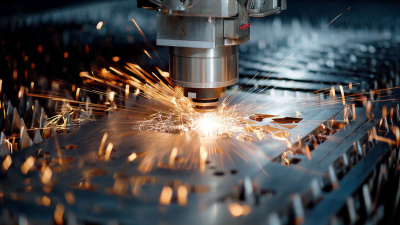
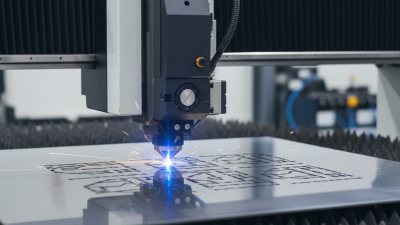
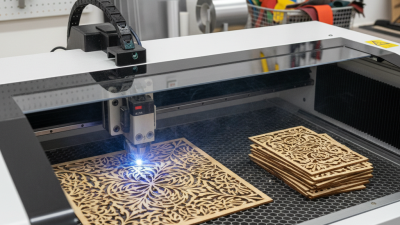
Cnc Fiber Laser technology has revolutionized the field of material processing. This sophisticated tool utilizes fiber optics to generate high-intensity laser beams. These beams cut, engrave, and weld a variety of materials with precision and speed. The Cnc Fiber Laser is known for its efficiency and accuracy.
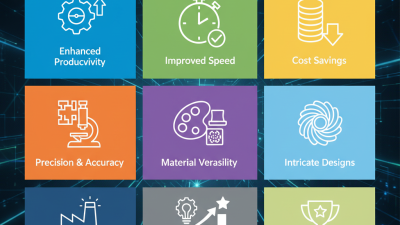
In today’s competitive manufacturing landscape, businesses seek innovative solutions. The Cnc Fiber Laser meets this demand, providing superior results for projects of different scales. Its ability to cut through thick materials is impressive. Moreover, it minimizes waste, making it an environmentally friendly option.
Despite its advantages, the technology is not without challenges. Understanding the setup and operation requires expertise. Additionally, effective maintenance practices are essential for optimal performance. As more industries adopt Cnc Fiber Laser technology, ongoing training and adaptation will be crucial. This ensures that users can harness its full potential while addressing any limitations or difficulties.
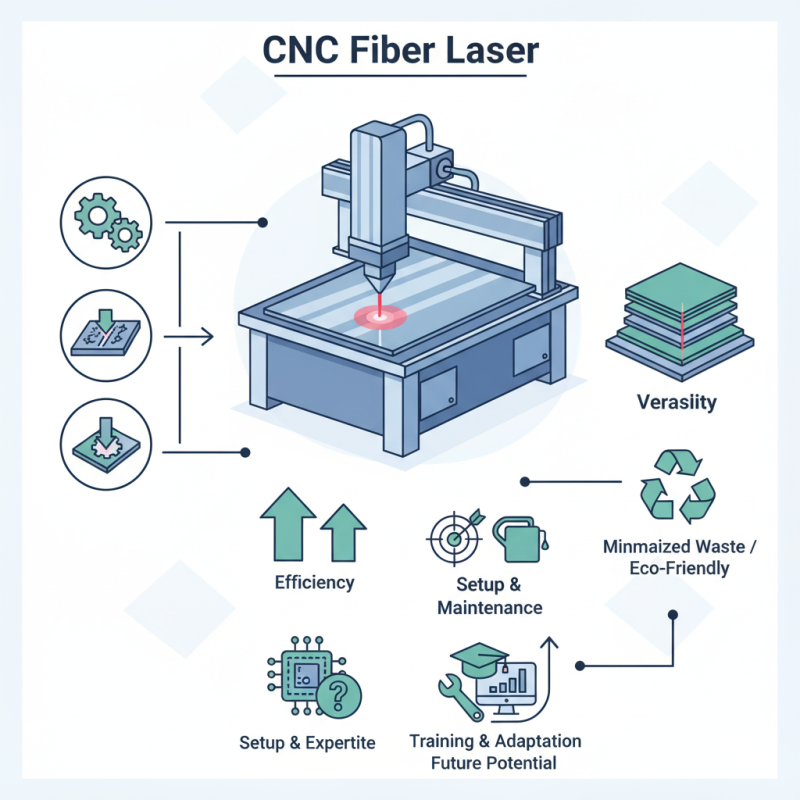
What is CNC Fiber Laser Technology?
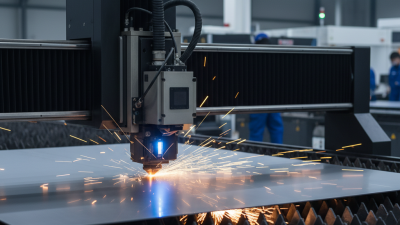
CNC fiber laser technology has revolutionized the manufacturing sector. This technology utilizes high-intensity laser beams to cut and engrave materials with precision. It has gained popularity due to its speed and efficiency compared to traditional cutting methods.
One significant advantage of CNC fiber lasers is their capability to work with various materials. Data from the Laser Institute of America indicates that fiber lasers can effectively cut metals, plastics, and ceramics. They achieve cutting speeds that can exceed 200 inches per minute. This ability allows manufacturers to maintain high productivity levels. Moreover, the energy efficiency of fiber lasers is impressive, with reports showing that they consume up to 80% less energy than CO2 lasers.
However, there are challenges. The initial investment in CNC fiber laser systems can be substantial. Companies need to weigh this against potential long-term savings. Additionally, training personnel to operate these systems effectively is crucial. Not all companies are prepared for this transition. Understanding the intricacies of the technology often requires ongoing learning and adaptation. Sustainable integration of CNC fiber lasers demands foresight and commitment from management teams.
CNC Fiber Laser Technology - Performance Comparison
Principles of Operation for CNC Fiber Lasers
CNC fiber lasers have revolutionized the metal fabrication industry. These systems operate on the principle of converting electrical energy into laser light using a fiber-optic cable. The fiber optics create a high-intensity laser beam that can precisely cut through materials. According to a report from MarketsandMarkets, the global fiber laser market is projected to reach $3 billion by 2025, indicating strong growth driven by advancements in laser technology.
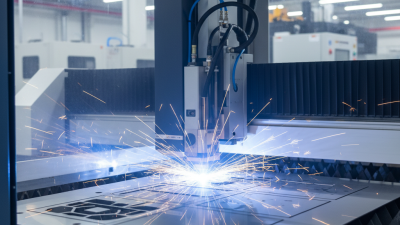
The operation of CNC fiber lasers involves multiple components. The laser source generates the beam, while the CNC system guides the movement. This combination allows for intricate cuts with excellent speed. The precision offered by CNC fiber lasers can achieve tolerances as tight as ±0.1 mm. However, mastering the technology requires skilled operators familiar with machine settings and materials. Maintenance and calibration are vital for optimal performance. Neglecting these aspects can lead to inconsistencies and increased production costs.
Despite these challenges, CNC fiber lasers are favored for their energy efficiency. They consume less power compared to traditional laser systems. Reports suggest a reduction in energy use by as much as 30%. While these systems show remarkable benefits, the learning curve must be acknowledged. Investing in training and resources can improve overall efficiency. This recognition highlights the need to focus on both technology and human expertise in the industry.
Key Advantages of Using CNC Fiber Lasers in Industry
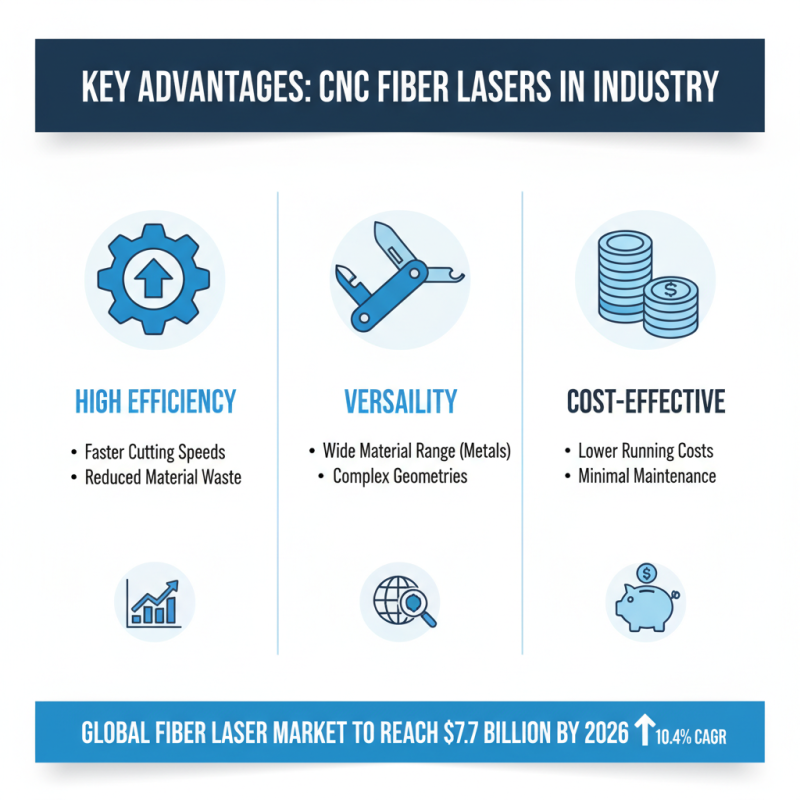
CNC fiber lasers have become increasingly popular in various industries due to their high efficiency and versatility. According to a report by ResearchAndMarkets, the global fiber laser market is projected to reach $7.7 billion by 2026, growing at a CAGR of 10.4% from 2021. This growth highlights the advantages that fiber laser technology offers over traditional methods.
One key advantage is their energy efficiency. CNC fiber lasers can convert up to 30% of their energy into laser output, compared to around 5% for CO2 lasers. This translates to lower operational costs and reduced energy consumption, making them more environmentally friendly. In metal fabrication, these lasers produce cleaner cuts with minimal waste, which is a significant aspect of sustainable manufacturing practices.
Additionally, these lasers can process a wide range of materials, including steel, aluminum, and even plastics. The ability to cut through thicker materials at faster speeds has made them essential in industries such as automotive and aerospace. However, the initial investment may seem high for some businesses. Despite this, the long-term savings and efficiency gains typically justify the costs. This is a crucial consideration for manufacturers aiming for competitive production rates.
Applications of CNC Fiber Lasers Across Different Sectors
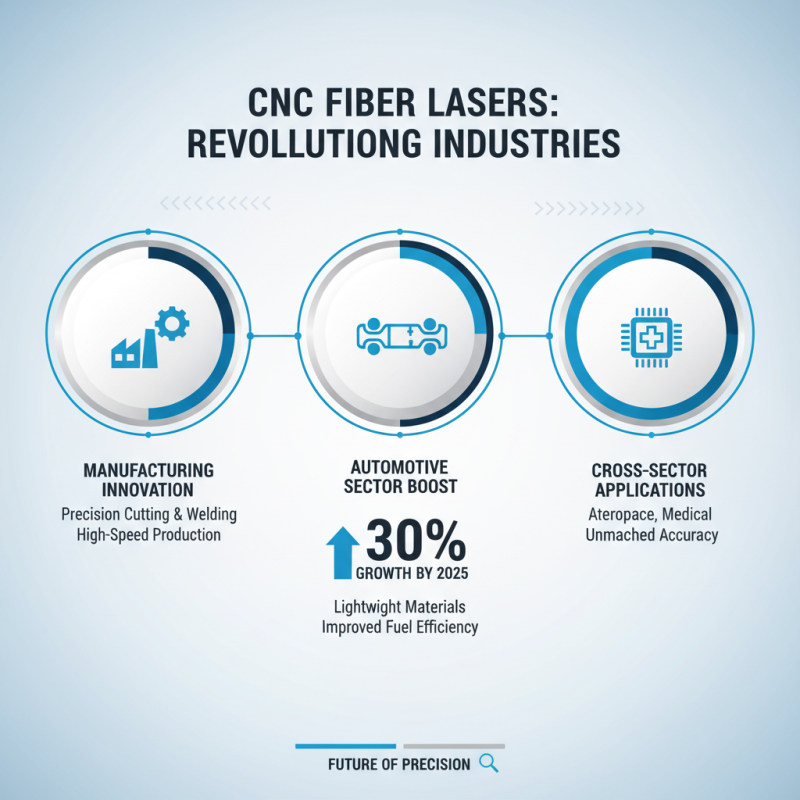
CNC fiber lasers have revolutionized various industries through their precision and efficiency. In manufacturing, automotive sectors utilize these lasers for cutting and welding, achieving tolerances that were previously unthinkable. Reports suggest that the automotive industry alone could see a growth of about 30% due to the integration of fiber laser technology by 2025. It allows for lightweight materials to be processed with ease, boosting fuel efficiency.
In the aerospace sector, fiber lasers are used for component fabrication. They ensure high-quality cuts while minimizing material waste, which is crucial for maintaining budgets. The aerospace industry is expected to invest significantly in advanced manufacturing technologies, with a projected market growth of 26% annually until 2026. This transition highlights the importance of adopting CNC fiber lasers to maintain competitive advantages.
Tips: Always assess the specific needs of your project before selecting a laser system. Understanding the material type and thickness can lead to better results. Regular maintenance of your CNC systems is essential for sustained accuracy and performance. It can significantly extend the operational life of your fiber laser equipment.
Market Trends and Future Developments in Fiber Laser Technology
Fiber laser technology has evolved significantly in recent years, sparking new trends across various industries. The demand for precision cutting and engraving drives market growth. Companies are exploring fiber lasers for metalworking. The advantages of speed and accuracy make them a preferred choice. Many industries, including automotive and aerospace, are adopting fiber lasers for their processes.
Future developments point toward enhanced efficiency. Researchers are focusing on increasing power output while reducing energy consumption. Innovations in cooling systems and beam quality are underway. However, challenges remain in achieving scalability for larger applications. Balancing cost with performance is crucial. The need for skilled operators also complicates matters.
As the technology matures, integration with automation is likely. Smart factories may rely on fiber lasers for streamlined operations. However, the market's saturation poses questions about competitiveness. Keeping up with advancements requires constant adaptation. Companies must evaluate their strategies regularly. The future of fiber lasers is promising, but it demands careful navigation.