Top Laser Cut Aluminum Products of 2026 for Global Buyers?
In the ever-evolving landscape of manufacturing, Laser Cut Aluminum stands out as a key player for global businesses. Experts believe its applications will continue to expand. John Smith, a leading authority in aerospace manufacturing, states, “The precision of Laser Cut Aluminum enhances both efficiency and design possibilities.”
As we look towards 2026, the trends in Laser Cut Aluminum products reveal a fascinating shift. These innovations will cater to diverse industries, from automotive to architecture. Each product must balance durability with aesthetic appeal; the challenge is significant. Buyers need to navigate this balance carefully.
Laser Cut Aluminum isn't just about technology; it’s about creating solutions. As markets evolve, so do expectations. The focus on sustainability is growing, and manufacturers face scrutiny. This evolving standard pushes for not just quality, but responsible practices. It's clear that as we advance, the path is both exciting and demanding.
Top Trends in Laser Cut Aluminum Product Designs for 2026
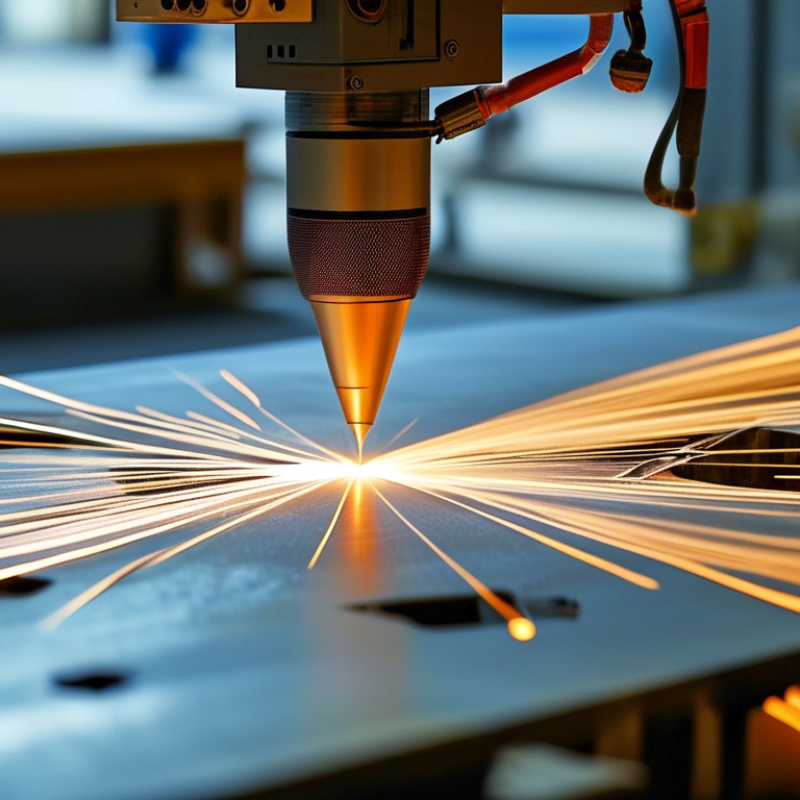
The world of laser cut aluminum products is evolving rapidly. A significant trend for 2026 is the integration of sustainable materials. Manufacturers are now exploring recycled aluminum as a primary resource. This shift not only reduces waste but also appeals to eco-conscious consumers.
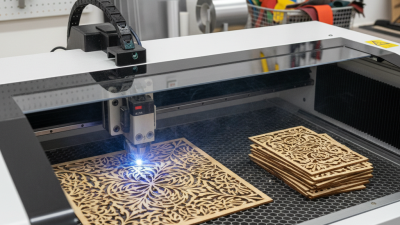
Customization is another key trend. Buyers increasingly demand tailored designs that fit their specific needs. From intricate patterns to functional components, the possibilities are expanding. However, maintaining quality while achieving such personalization can be challenging. Manufacturers must balance creativity with functionality.
As technology advances, we also see a rise in smart features. Laser cut aluminum products are beginning to incorporate electronic components. This fusion adds value but can complicate the design process. Companies must navigate this complexity to ensure they meet customer expectations while staying innovative. The road ahead is filled with potential, but it requires careful thought and execution.
Top Trends in Laser Cut Aluminum Products for 2026
Key Industries Utilizing Laser Cut Aluminum Products Globally
Industries worldwide are increasingly adopting laser cut aluminum products due to their precision and versatility. The aerospace and automotive sectors particularly benefit from these products. A report by MarketsandMarkets highlights that the aerospace industry is projected to grow at a CAGR of 7.5% from 2021 to 2026. This growth drives demand for lightweight materials like aluminum, crucial for fuel efficiency.
Construction is another key industry utilizing laser cut aluminum. The global architectural aluminum market is estimated to reach USD 113 billion by 2026, according to a report by Research and Markets. The need for customized products for facades and structural components fuels this demand. Precision cutting allows for intricate designs, enhancing both functionality and aesthetic value.
However, not all outcomes are ideal. The reliance on automated processes can lead to a skills gap in the workforce. As industries embrace technology, the need for skilled labor remains. Companies must invest in training and adapt to the evolving landscape to avoid falling behind. Recognizing these challenges is vital for sustainable growth.
Innovative Technologies Driving Laser Cutting Processes in 2026
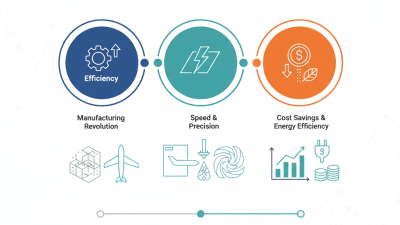
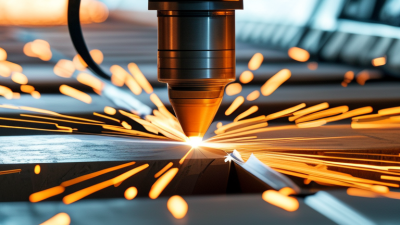
Laser cutting technology is evolving rapidly in 2026, driven by innovations aimed at enhancing precision and efficiency. A recent industry report from the Laser Institute of America shows that the global laser cutting market is projected to reach $16 billion by 2026, with aluminum products leading the charge. The rise of fiber lasers has significantly improved cutting speeds and quality while reducing energy consumption. This efficiency translates to lower operational costs, a key consideration for buyers worldwide.
Innovative applications of AI and machine learning are also becoming integral to the cutting process. These technologies enable predictive maintenance, minimizing downtime and optimizing production schedules. According to a study by Research and Markets, companies utilizing AI in their manufacturing processes can achieve up to a 25% reduction in waste. However, not all manufacturers are harnessing these advancements effectively. Many still struggle with integration, especially smaller firms with limited resources, highlighting a gap in the market where support and training are needed.
Additionally, the shift toward automated laser cutting systems is changing the landscape. These systems offer enhanced safety and consistency in production. However, the initial investment can be daunting for some. As this technology progresses, the challenge lies in balancing cost-effectiveness with high-quality output, ensuring that not only large corporations benefit from the latest laser cutting advancements. The continuous evolution of these technologies fosters a need for adaptable strategies and ongoing learning in the industry.
Sustainability Practices in Laser Cut Aluminum Manufacturing
Sustainable practices in laser cut aluminum manufacturing are gaining traction. The industry faces increasing pressure to reduce carbon footprints. Many companies are adopting eco-friendly materials and processes. Using recycled aluminum is a primary method to lower environmental impact. This approach conserves energy and reduces waste.
Energy-efficient laser cutting machines also play a crucial role. They consume less power while delivering precision cuts. However, upgrading to these machines can be costly and requires careful planning. Some companies may struggle with the initial investment. This indicates that sustainability should be a long-term goal, not a quick fix.
Waste management remains another challenge in laser cut aluminum manufacturing. Despite advancements, not all scrap aluminum is recycled effectively. Finding ways to minimize waste requires collaboration and innovation. Manufacturers should explore partnerships with recycling facilities. This could improve resource efficiency and promote a circular economy. There is always room for improvement in these processes. Adopting sustainable practices is an ongoing journey, not an endpoint.
Market Analysis: Opportunities for Global Buyers in Laser Cut Aluminum
The laser cut aluminum market is evolving rapidly. According to a recent report by Research and Markets, the global demand for laser cut aluminum is projected to grow significantly. The estimated market value is expected to reach $10 billion by 2026. This growth offers numerous opportunities for global buyers looking for high-quality aluminum products.
The aerospace and automotive industries heavily rely on laser cut aluminum due to its lightweight and durability. A report by Grand View Research highlights that aerospace uses laser cut components for fuel efficiency. However, challenges exist. Some artisans struggle with consistency in cutting precision. Buyers must seek reliable suppliers who can guarantee quality and timely delivery.
Sustainability is becoming key in the procurement process. Many companies are now emphasizing eco-friendly practices. The recycling of aluminum is a focus, as it can save energy and reduce waste. Buyers should prioritize suppliers who adopt sustainable methods. This trend not only aids the environment but can also enhance corporate reputations. A careful evaluation of suppliers is crucial for making informed purchasing decisions.
Top Laser Cut Aluminum Products of 2026 for Global Buyers
| Product Type |
Application Area |
Key Materials |
Market Growth Rate (%) |
Average Price (USD) |
| Custom Aluminum Panels |
Architecture |
Aluminum Alloys |
7.5 |
50.00 |
| Laser Cut Signage |
Retail |
Brushed Aluminum |
6.2 |
35.00 |
| Aluminum Furniture |
Interior Design |
Aluminum Composites |
8.0 |
120.00 |
| Decorative Panels |
Events & Exhibitions |
Anodized Aluminum |
5.5 |
45.00 |
| Automotive Parts |
Automotive |
Aluminum 6061 |
9.3 |
75.00 |