How to Choose the Best Laser Machine for Your Needs?
Choosing the right Laser Machine can be overwhelming. With numerous options available, you must consider your specific needs. Industry expert Dr. Emily Carter stated, "Selecting the right laser machine can make or break a business." Her insights highlight the critical nature of this decision.
A Laser Machine serves various purposes, from cutting and engraving to medical applications. The features you prioritize will depend on your projects. For instance, a hobbyist may need a compact model for crafts, while a manufacturer may require high-output capabilities. Each choice demands careful evaluation.
Your Laser Machine should align with your expectations. Don’t settle for the first option you see. Research different brands and models. Read reviews and user experiences. A wise decision today can lead to better results tomorrow, yet it's essential to reflect on your choices regularly. Understanding what you truly need is key to making the best investment.
Understanding Different Types of Laser Machines Available on the Market
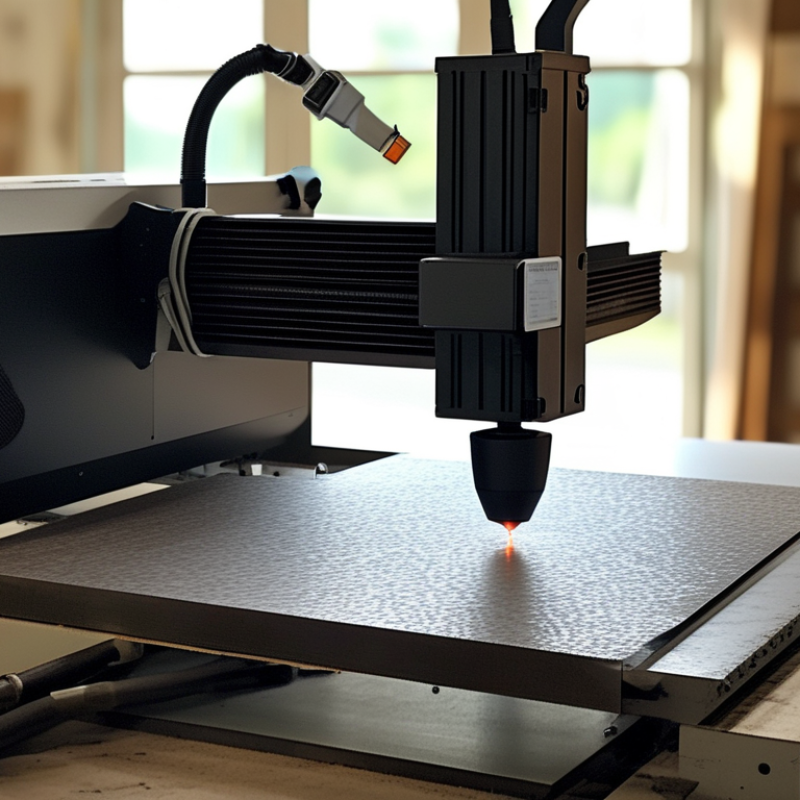
When selecting a laser machine, it’s crucial to understand the different types available. The market offers a variety of laser technologies, each suited for specific applications.
CO2 lasers excel in cutting and engraving materials like wood, acrylic, and glass. According to the Laser Institute of America, CO2 lasers account for over 60% of laser applications in the materials processing sector.
Fiber lasers have gained popularity for metal processing. They provide high efficiency and faster cutting speeds compared to traditional lasers. A recent industry report indicates that fiber laser sales are projected to grow by over 12% annually due to their effectiveness in industries such as automotive and aerospace. However, they may not be the best choice for non-metal materials.
Additionally, solid-state lasers, including Nd:YAG, are versatile but more complex to operate. They have a narrower application range and can require more maintenance. This complexity often leads businesses to reassess if they truly need such a system.
Being aware of these details helps users reflect on their actual needs versus available technology. Understanding your specific requirements is essential for making an informed decision.
Assessing Your Specific Needs and Applications for Laser Machining
When selecting a laser machine, understanding your specific needs is crucial.
Different applications require different features. For instance, A designer might prioritize precision engraving, while a manufacturer might need high-speed cutting.
Identifying your primary use will influence your decision significantly.
Consider the materials you will work with.
Wood, metal, and acrylic each behave differently under laser machining. Some machines excel with specific materials while struggling with others.
You may need a more versatile machine for varied projects. It's also essential to reflect on production volume.
Will you conduct small runs or mass production? This can determine the machine’s speed and efficiency requirements.
Budget can also affect your choice. A lower-cost machine might meet basic needs but lack advanced features.
As you assess your options, think about long-term growth. Choose a machine that can adapt to your evolving projects.
Balancing performance and cost is often a personal journey.
Take the time to weigh your options carefully.
Key Features to Look for When Selecting a Laser Machine
Choosing the right laser machine can seem daunting. But understanding key features makes the selection process easier. One crucial factor is power output. Higher wattage means faster and more efficient cutting or engraving. Look for machines that offer adjustable power settings. This allows you to tackle various materials with precision.
Another important feature is bed size. A larger bed accommodates bigger projects, which can be essential for commercial work. However, a smaller bed might be sufficient for hobbyists. Think about your typical project sizes before making a decision.
Also, consider software compatibility. Many laser machines come with proprietary software, which might limit versatility. Choose a machine that supports widely-used design programs. Ergonomics is another aspect that often gets overlooked. Ensure controls are user-friendly, as you’ll be spending considerable time operating the machine. Not all models will be perfect for every user. Reflect on your unique needs and work style before finalizing your choice.
Comparing Costs and Budget Considerations for Laser Machines
When selecting a laser machine, budget plays a crucial role. Understanding the costs associated with purchasing a laser machine can help you make an informed decision. Prices vary widely based on features, capabilities, and brands. Entry-level machines might cost a few thousand dollars, while advanced models can reach tens of thousands. It's essential to align your budget with your operational needs.
Consider additional expenses such as maintenance and supplies. These recurring costs can add up quickly. You'll also need to account for installation and training. Often overlooked, these factors can significantly impact your total investment. An inadequate understanding of these aspects might lead to unexpected financial strain.
Reflect on your requirements. What applications will you use the laser machine for? More features often mean higher costs. Balancing your needs with your budget is vital. You might discover that a more affordable option meets your needs. Conversely, skimping on quality can result in dissatisfaction and higher expenses down the line.
How to Choose the Best Laser Machine for Your Needs? - Comparing Costs and Budget Considerations for Laser Machines
| Laser Machine Type |
Average Cost (USD) |
Power (Watts) |
Material Compatibility |
Ideal Use Case |
| CO2 Laser |
$3,000 - $6,000 |
40 - 150 |
Wood, Acrylic, Leather |
Engraving and Cutting Projects |
| Fiber Laser |
$15,000 - $30,000 |
20 - 1,200 |
Metal, Plastic |
Metal Cutting and Marking |
| UV Laser |
$10,000 - $25,000 |
5 - 50 |
Glass, Ceramics, Plastics |
High Precision Marking |
| Solid State Laser |
$4,000 - $20,000 |
10 - 500 |
Various Materials |
General Purpose Cutting and Engraving |
Finding Reliable Suppliers and Service Support for Your Laser Equipment
When selecting a laser machine, reliable suppliers and service support are crucial. Look for suppliers with a solid track record in the industry.
Research online for reviews and testimonials from other users. A reputable supplier often provides transparent information about their products and services.
They should also be willing to answer any questions you have.
Consider the after-sales service offered by potential suppliers. Effective support can save you time and money. Good suppliers typically offer maintenance services
and training for your team. It's vital to have access to technical assistance when issues arise. Being able to contact knowledgeable staff quickly can significantly reduce downtime in your operations.
Inspection of suppliers' warranties is another key step.
Short-term warranties might indicate low confidence in their product quality. A longer warranty often suggests that the supplier stands behind their equipment.
Evaluating these factors helps in building a long-lasting partnership with your supplier. In addition, customers may occasionally encounter challenges with communication or support.
Reflecting on these experiences can lead to a better understanding of what you need from your supplier.