Top 10 Advantages of Pipe Laser Cutting Technology?
Pipe laser cutting technology has revolutionized the manufacturing sector, particularly in piping systems. According to a report by MarketsandMarkets, the global laser cutting market is projected to reach USD 5.7 billion by 2025, driven by the increasing demand for precision and efficiency. Pipe laser cutting stands out for its versatility and speed, enabling manufacturers to achieve intricate designs with minimal waste.
The advantages of pipe laser cutting are numerous. This technology provides high-quality cuts, reducing the need for secondary operations. It allows for complex geometries and tight tolerances that traditional cutting methods cannot achieve. Additionally, laser systems can optimize material usage, leading to significant cost savings. Industry experts have noted that companies adopting this technology often report improved productivity and reduced lead times.
However, embracing pipe laser cutting is not without its challenges. Initial investment costs can be high, and workforce training is essential for maximizing the technology's potential. It’s important for businesses to weigh these factors against the efficiency gains posed by pipe laser cutting. Overall, understanding its advantages can guide manufacturers in making informed decisions.
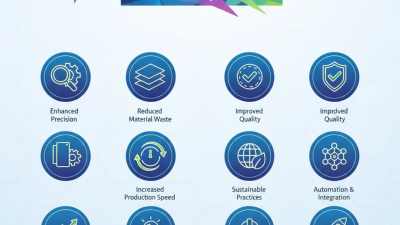
Advantages of Enhanced Precision in Pipe Laser Cutting Technology
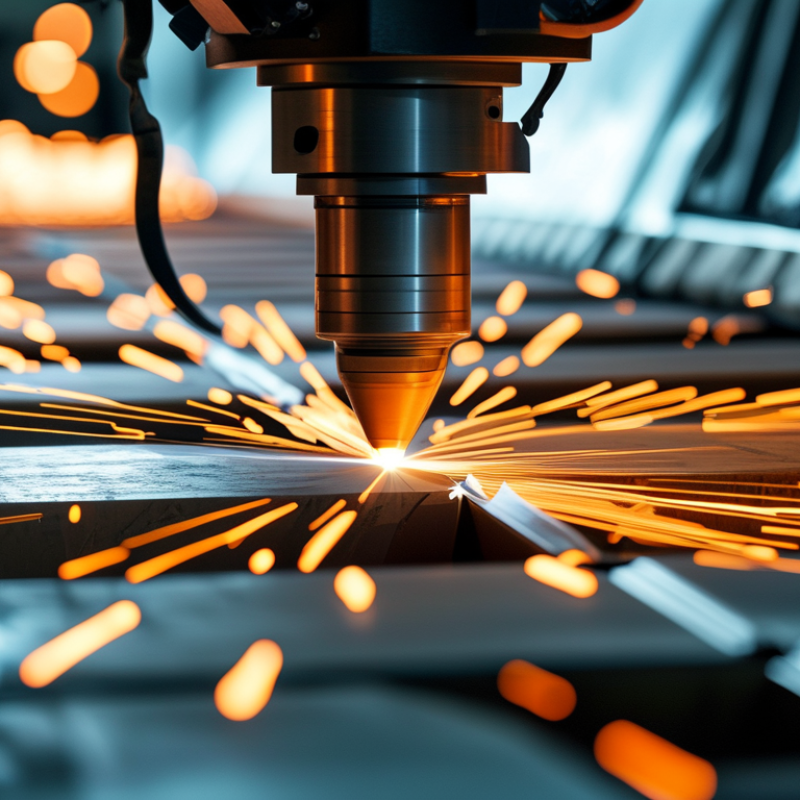
Pipe laser cutting technology has transformed the manufacturing industry, particularly in enhancing precision. A report by the Laser Institute of America states that laser cutting can achieve tolerances of ±0.1 mm. This level of accuracy is crucial for industries like aerospace and automotive, where even the slightest deviation can lead to significant issues. With the ability to cut complex shapes, laser technology minimizes the risk of human error.
An interesting aspect of this technology is its adaptability. The process can handle various materials, including stainless steel, aluminum, and titanium, with minimal setup time. According to the International Journal of Advanced Manufacturing Technology, companies using laser cutting saw a reduction in material waste by up to 30%. This not only boosts efficiency but also aligns with sustainable manufacturing practices.
Despite these advantages, challenges remain. The initial investment for laser cutting equipment can be high, and skilled operators are essential for optimal performance. Training can take time and resources, which some organizations may struggle to allocate. Nonetheless, the benefits of precision and reduced waste often outweigh these hurdles, making pipe laser cutting a valuable asset in modern manufacturing.
Significantly Reduced Material Waste with Pipe Laser Cutting
Pipe laser cutting technology offers numerous advantages, particularly in reducing material waste. Traditional cutting methods often lead to significant wastage. In contrast, laser cutting ensures precision, maximizing the usable material. This efficiency is critical for companies seeking to lower costs while enhancing sustainability.
Adopting pipe laser cutting can transform production practices. The technology creates cleaner cuts and reduces the need for rework. This not only saves time but also minimizes excess material. Leveraging this technology leads to a more efficient use of resources.
Tips: To further reduce waste, ensure correct measurements before cutting. Regular maintenance of laser equipment also contributes to better performance. Training employees on best practices with laser technology can enhance precision and reduce errors. Embracing continuous improvement in the cutting process can yield significant long-term benefits.
Increased Speed and Efficiency in Pipe Processing Operations
The adoption of pipe laser cutting technology is transforming pipe processing operations. With unmatched precision, this technology enhances speed and reduces waste. Traditional cutting methods often result in slow production times. Meanwhile, pipe lasers can cut through materials quickly while maintaining accuracy. Operators can complete tasks in a fraction of the time, significantly improving overall efficiency.
Faster processing means projects can move forward without delays. However, this shift requires skilled personnel to operate the lasers effectively. Training is an investment that shouldn’t be overlooked. Often, companies face challenges in upskilling their workforce to handle advanced equipment. This is where potential setbacks arise. Balancing technology with human expertise is critical.
Despite these challenges, the benefits of laser cutting in speed and efficiency are compelling. The precision of laser tools leads to cleaner cuts, which can minimize the need for rework. This technology also supports complex designs that traditional methods struggle to achieve. Workflow can be streamlined, leading to reduced operational costs. Yet, businesses must remain vigilant about adapting to the learning curve associated with this advancement.
Versatility of Pipe Laser Cutting for Different Materials and Thicknesses
Pipe laser cutting technology offers remarkable versatility, adapting seamlessly to diverse materials and thicknesses. This adaptability is particularly evident when working with metals like steel, aluminum, and stainless steel. The precision of laser cutting ensures clean edges, reducing the need for secondary processing. It can easily handle varying wall thicknesses, from thin pipes to heavy-duty tubing, providing flexibility in project requirements.
The technology is not limited to metals. It also effectively cuts through plastics and other advanced materials. This capability is crucial in industries where weight reduction and strength are vital. However, the user must understand the material behavior during cutting. Each material has its unique response to heat and cutting speed. Some materials can warp or produce excessive dross, disrupting the cutting quality.
The choice of laser settings significantly impacts the outcome. Operators must adjust power and speed based on thickness and type. This requires experience and a deep understanding of material properties. Mistakes in settings can lead to wasted materials and time. Emphasizing this knowledge is essential for achieving optimal results.
Cost-Effectiveness and Long-Term Savings from Pipe Laser Cutting Techniques
Pipe laser cutting technology has become a game changer in various industries. Its precision and speed lead to significant cost savings. With lower material waste, companies can maximize their resources. This technology reduces manpower and operational costs. Fewer workers are needed, which cuts labor expenses.
Moreover, the energy efficiency of laser cutting contributes to long-term savings. Although the initial investment may be higher, the reduction in operational costs pays off over time. Businesses that adopt this technology often see a decrease in maintenance costs. However, transition challenges must be considered. Companies may require training to effectively implement it.
Choosing this cutting method can also improve project timelines. Faster processing means quicker turnaround times. Yet, companies need to ensure that they have the right conditions for optimal performance. Understanding the limitations and potential issues is crucial for success. Balancing the advantages with these factors leads to a more informed decision.