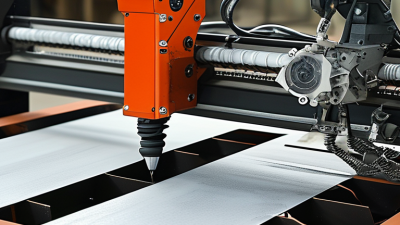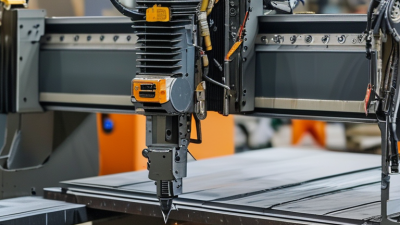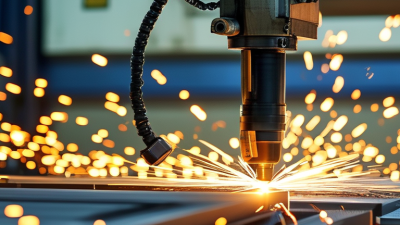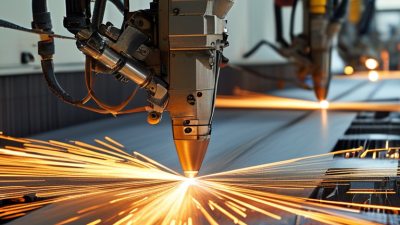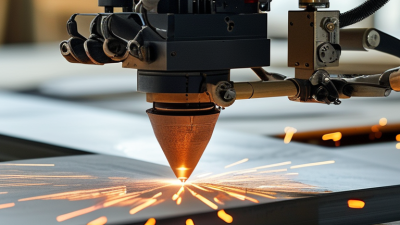
Choosing the right Cnc Cutting machine begins with the workpiece, not the showroom display. A compact workshop may need a reliable fiber laser, while a heavy fabrication plant may require plasma power and a larger cutting bed. Material thickness, tolerance, daily volume, and available floor space shape the decision. So does operator experience.
Dr. Thomas R. Kurfess, a respected manufacturing automation expert, offers a useful principle: “The right machine is the one that matches the process, not the one with the longest feature list.” That idea deserves attention. A machine packed with advanced controls can still disappoint when its cutting range exceeds your real needs. Sometimes, simpler is better.
Look closely at the details. Measure the thickest steel you regularly cut. Check whether the machine can hold stable accuracy near the sheet edges. Examine torch height control, laser source life, software compatibility, extraction systems, and maintenance access. Ask how quickly local technicians can respond when production stops. Downtime is expensive.
Do not choose from brochures alone. Watch a live cutting test with your own material. Inspect the kerf, corner quality, dross, noise, and finished surface. Speak with operators, not only sales representatives. Their comments may reveal awkward loading, confusing software, or fragile components.
There is room for honest doubt. Your first estimate may be wrong. Future orders may change. A careful buyer compares total ownership cost, training demands, energy use, consumables, and realistic output. The best Cnc Cutting solution is rarely the most powerful option. It is the dependable tool that fits today’s process and leaves sensible room for tomorrow.
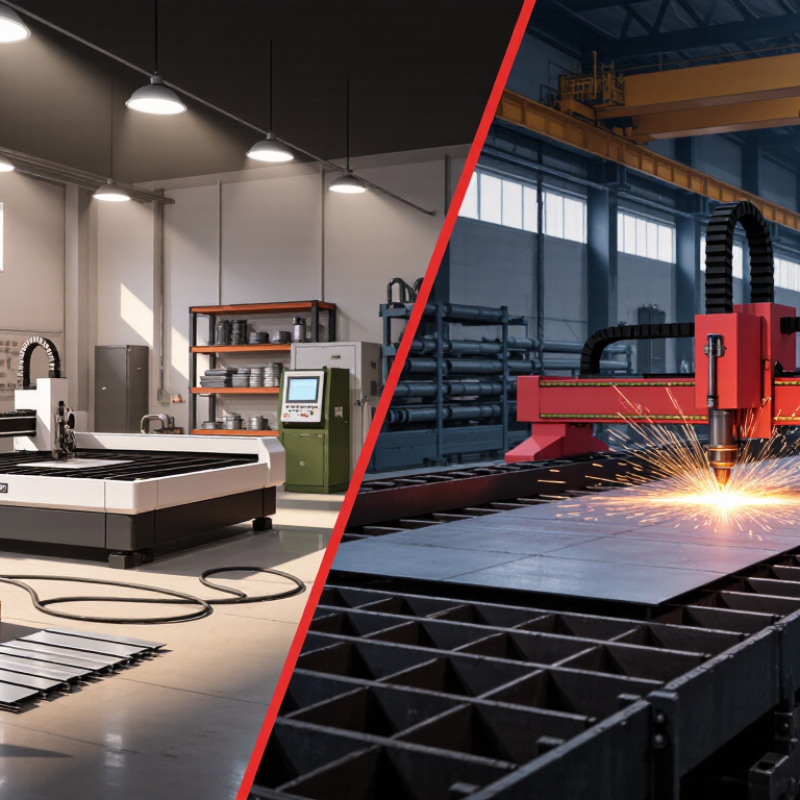
Choosing a CNC cutting machine starts with defining the cutting requirements, not browsing machine features. Identify the materials, thicknesses, sheet sizes, and expected tolerances. A machine cutting 3 mm plywood may struggle with 20 mm aluminum. Record the narrowest slot, smallest internal corner, and longest continuous cut. Small details matter.
Production goals should be measurable. Estimate daily output, average cycle time, setup frequency, and acceptable material waste. If a workshop needs 200 panels weekly, calculate loading, cutting, unloading, and maintenance time. A fast spindle alone will not guarantee higher production. Operator skill, software workflow, dust removal, and machine stability also affect results. Measure twice.
Run sample tests before making a purchase decision. Use the actual material, not a convenient substitute. Check edge quality, heat marks, vibration, dimensional accuracy, and cleanup time. In practical evaluations, the first sample often looks better than routine production. That result deserves caution. A machine may perform well for one hour, then reveal heat buildup during a longer shift.
Budget for tooling, extraction, training, and replacement parts. These costs are easy to overlook. Speak with experienced operators and ask how the machine performs after months of regular use. My initial production estimates have sometimes been too optimistic, especially when changing materials. Recheck them with real cycle data.
Choose capacity that supports your targets without paying for unused capability.
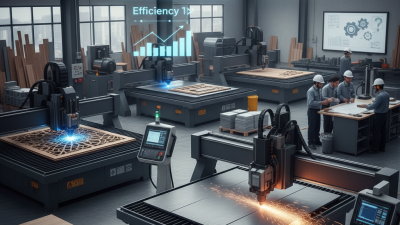
Choosing a CNC cutting machine starts with the material, not the machine catalogue.
Laser cutting suits thin to medium carbon steel, stainless steel, and aluminium. It delivers narrow kerfs and clean edges, but reflective metals can reduce process stability. The World Steel Association reported 1.89 billion tonnes of crude steel production in 2023. That scale explains why steel thickness and grade remain major purchasing factors.
Plasma cutting handles thicker steel quickly and usually costs less. Its heat-affected zone can require secondary grinding. Oxy-fuel cutting remains practical for heavy carbon steel, especially on large plates, but it is unsuitable for stainless steel and aluminium. Waterjet cutting avoids a heat-affected zone and works with stone, glass, composites, and heat-sensitive alloys. It is slower and consumes abrasive material. According to the International Aluminium Institute, global primary aluminium production reached about 70.6 million tonnes in 2023, making reflective-metal capability increasingly relevant.
CNC routers are effective for wood, plastics, foam, and some composites. They are not a sensible choice for thick steel. A small workshop should test its actual material, thickness, edge tolerance, and daily volume before buying. A 6 mm stainless-steel sample may expose problems that a brochure hides. Cutting speed alone is misleading. Power use, consumables, dust control, maintenance, and operator skill also affect cost per part. I would not treat one test cut as final proof; moisture, plate flatness, and tool wear can change the result.
Choosing a CNC cutting machine starts with production reality, not a glossy specification sheet. Define material type, thickness, sheet size, and daily workload. A compact machine may list impressive speed, yet struggle during long cutting cycles. Check spindle or laser power, acceleration, table dimensions, duty cycle, and cooling requirements. Capacity must match your thickest routine job, not an occasional project.
Accuracy needs equal attention. Review positioning accuracy and repeatability separately. ISO 230-2 provides a recognized method for testing positioning performance, but factory results can change after installation. Ask for test conditions, measurement equipment, and compensation settings. Thermal drift matters too. A machine cutting a 1,500 mm profile may shift several hundredths of a millimeter as components heat. That sounds minor. It may still affect assembly fit.
Automation also changes capacity. The International Federation of Robotics reported 541,302 industrial robots installed worldwide in 2023, showing continued investment in automated production. However, automation cannot repair poor machine selection. Examine loading time, tool changes, nesting software, waste removal, and operator training. Calculate completed parts per hour, not only maximum cutting speed. A slower machine with stable accuracy may deliver more usable output. I would also leave capacity headroom, perhaps 15–20 percent. This is not a universal rule, but ignoring future demand is an expensive mistake.
How to Choose the Right CNC Cutting Machine?
Software should match the operator’s real workflow, not only the sales demonstration. Check whether the control system imports common design files without repeated conversions. Clear toolpath previews can reveal collisions, wasted material, and incorrect cutting directions. Look for simulation, nesting, job history, and permission controls. Keep it practical. A complicated interface may slow a skilled operator more than expected.
Automation deserves careful testing. Automatic tool changes, material sensing, and table loading can reduce repetitive work. However, each feature adds sensors, moving parts, and possible service needs. Ask how the machine behaves after a sensor fails. Can an operator identify the fault quickly? Test it live. A short production trial often exposes delays hidden during a showroom demonstration.
Maintenance planning should include access to filters, rails, belts, and electrical cabinets. Daily cleaning instructions must be clear enough for a new technician to follow. Request realistic service intervals, spare-part availability, and remote diagnostic procedures. Safety features should include guarded cutting areas, emergency stops, interlocks, warning indicators, and controlled restart functions. Verify that safety devices cannot be easily bypassed during normal operation. Training still matters, because a perfect safeguard can fail when workers misunderstand its purpose. I would also record noise, dust, and visibility during a full shift, since short tests rarely show operator fatigue.
Choosing a CNC cutting machine starts with total cost, not the purchase price. A practical estimate includes tooling, software, installation, training, maintenance, energy, and financing. Add the cost of floor preparation and electrical upgrades. These details often surprise new buyers.
My first machine estimate missed replacement tools and operator training. That mistake made the real budget almost 15% higher. I now calculate costs over five years. For example, record expected cutting hours, material waste, consumable use, and planned maintenance. Include downtime too. One idle afternoon can cost more than a monthly energy bill. Ask the supplier for service intervals, spare-part availability, and realistic cutting tolerances. Verify these details with current users or an independent technician.
The best-fit CNC machine should match your materials, sheet sizes, thicknesses, production volume, and required accuracy. A compact machine may reduce rent and power costs. A larger model may lower handling time in continuous production. Neither choice is automatically better. Compare cost per finished part, not cost per machine. Test sample materials before signing an order. Watch edge quality, cutting speed, setup time, and operator effort. A machine that looks affordable may create expensive labor. A powerful model may remain underused. Recheck your assumptions after the trial, because the first calculation is rarely perfect.
Compare estimated five-year ownership costs before selecting a CNC cutting machine. The figures below are non-brand planning estimates in USD for a small-to-medium production environment and exclude financing, facility costs, and taxes.
Key insight: A CNC fiber laser typically requires the highest initial investment but can deliver faster cutting and lower labor cost for suitable metal applications. A CNC router or plasma cutter may provide a lower total cost when material thickness, production volume, and precision requirements are moderate.