How to Choose the Best Iron Laser Cutting Machine for Your Needs?
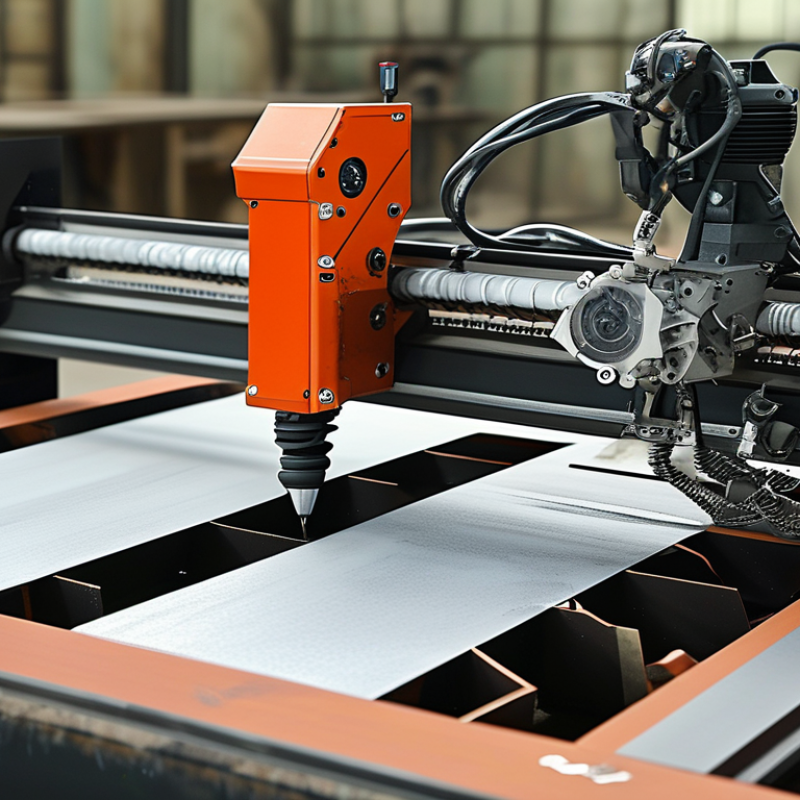
Choosing the right Iron Laser Cutting Machine can significantly impact your business operations. With numerous options on the market, making a selection can be daunting. The right machine could enhance productivity, while a poor choice may lead to inefficiencies.
Understanding your specific needs is essential. Do you require precision cutting for intricate designs? Or perhaps speed is more critical for your production line? Evaluating these aspects will guide your decision. An iron laser cutting machine's features, such as power and efficiency, will directly affect your output quality.
It's also important to consider the manufacturer's reputation. A well-known brand often reflects reliability and support. However, emerging companies might offer innovative features at competitive prices. Balancing these factors can be challenging, and it's okay to feel uncertain. Ask for demonstrations and reviews from trusted sources.
Understanding Your Cutting Needs and Material Specifications
When selecting an iron laser cutting machine, it's crucial to understand your specific cutting needs. Different materials require different settings and capabilities. For instance, cutting through thin metals is distinct from tougher materials like stainless steel. Knowing the thickness and type of material you plan to use will help guide your choice. This detail ensures you select a machine that can handle your workload without compromise.
Consider the speed and precision of the cut necessary for your projects. High-speed machines can increase productivity but may result in less accuracy. If your work demands intricate designs, a machine with superior precision is vital. Explore how different wattage levels affect cutting quality and speed. A common mistake is undervaluing the importance of cooling and maintenance in laser cutting. Ensure your selected machine includes effective cooling systems to maintain performance during extensive jobs. Reflect on your requirements to find the perfect balance between speed, precision, and longevity.
Comparative Analysis of Material Cutting Efficiency
Evaluating Different Types of Iron Laser Cutting Machines
When evaluating different types of iron laser cutting machines, consider the specific needs of your projects. The power of the laser is crucial. Machines vary in wattage, which affects cutting speed and material thickness. A 1000W laser may handle thin sheets well, but thicker materials require more power. Determine your most common tasks to select the right wattage.
Another factor is the cutting area size. Larger machines accommodate bigger projects but may take up more space. Reflect on the typical dimensions of your workpieces. If you often cut large panels, a more expansive machine is beneficial. In contrast, smaller machines work well for intricate designs.
Ease of use and maintenance can also vary. Some machines come with advanced software, simplifying operations. Others might require more manual input, which may slow down productivity. Think about your team's expertise. A complex machine may need a learning curve, which could impact efficiency. It's essential to match the machine's capabilities with your team's skill set for optimal performance.
Key Features to Consider for Optimal Performance
When selecting an iron laser cutting machine, focus on the key features that enhance performance. One important aspect to consider is the laser power. Higher wattage can cut thicker materials and increase speed. However, it’s essential to balance power with precision. Overestimating power can lead to excessive heat and damage.
Another vital factor is the cutting speed. Different materials require varying speeds for optimal results. A machine offering adjustable speeds allows for better versatility. On the other hand, too much speed might compromise the quality of the cut. Understanding the ideal speed for your materials is crucial, yet it often requires trial and error to find the perfect balance.
Lastly, consider the machine's software. User-friendly software can simplify operation and enhance precision. It should support various file formats for flexibility. Yet, not all software is intuitive. Investing time to understand the software of your chosen machine can save future headaches. Regular updates and prompts from the software can guide your learning process, but they can also be frustrating. Always weigh the pros and cons of these features against your specific needs.
Budget Considerations: Cost vs. Features
When choosing an iron laser cutting machine, balancing budget with features is crucial. According to recent industry data, the average price of these machines can range from $30,000 to over $150,000. Higher-end models offer advanced features such as improved cutting speed and precision, but they also come at a steeper price. Understanding the specific needs of your projects can help narrow the options. It may be tempting to opt for the most feature-rich model, but consider whether you truly need those capabilities.
Cost and performance should be weighed carefully. Data shows that over 40% of manufacturers reported dissatisfaction with their current laser machines due to underperformance for their specific tasks. Investing in a more affordable option may seem practical initially. However, low-cost machines often lack durability and efficiency, leading to higher operational costs in the long run. Assess the trade-offs between upfront expenditure and potential long-term savings.
Additionally, maintenance costs can significantly influence overall expenses. A machine that requires frequent repairs or specialized parts can erode savings quickly. Many users often overlook this aspect during their purchasing decision, leading to regrets later. An informed decision hinges on thorough research and a realistic evaluation of your production needs against your budgetary constraints.
Maintenance and Support: Ensuring Longevity of the Machine
When investing in an iron laser cutting machine, maintenance and support play a crucial role in ensuring its longevity. Regular upkeep can significantly enhance the machine's performance and lifespan. It's essential to establish a routine that includes cleaning, lubrication, and inspection of key components. For instance, focusing on the lenses and mirrors can prevent dust build-up, which impacts cutting quality. Ignoring these tasks may lead to costly repairs or reduced efficiency.
Additionally, having a reliable support system is vital. Look for manufacturers that provide comprehensive customer service and technical assistance. Fast response times can save you from extended downtimes. It's beneficial to inquire about available training programs for your staff. Well-informed operators are less likely to misuse the machine, which prevents unnecessary breakdowns. Observing these aspects not only promotes a smooth operation but also reflects a commitment to quality and reliability for the business as a whole.