Top Cnc Cutting Machine Options for Global Buyers?
In the competitive landscape of manufacturing, choosing the right CNC cutting machine can profoundly impact productivity and efficiency. As global buyers seek advanced technologies, the array of options can be overwhelming. From precision laser cutting to robust plasma systems, each machine offers unique advantages. Understanding these differences is crucial for making informed decisions.
Investing in a CNC cutting machine requires careful consideration. Factors such as material compatibility, production volume, and user-friendliness play vital roles. Some buyers may rush into choices, overlooking essential specifications. This often leads to unsatisfactory outcomes. Machine reliability and support are just as important. A less-known brand might fall short on service, causing future regrets.
Ultimately, the goal is to find a CNC cutting machine that aligns with specific business needs. Each machine has its strengths and drawbacks. Exploring customer reviews can provide real insights. It's essential to reflect on requirements before finalizing any purchase. A well-informed choice can lead to enhanced capabilities and growth in production efficiency.
Overview of CNC Cutting Machines: Types and Technologies
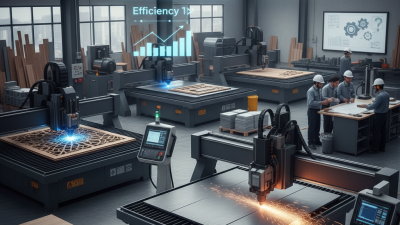
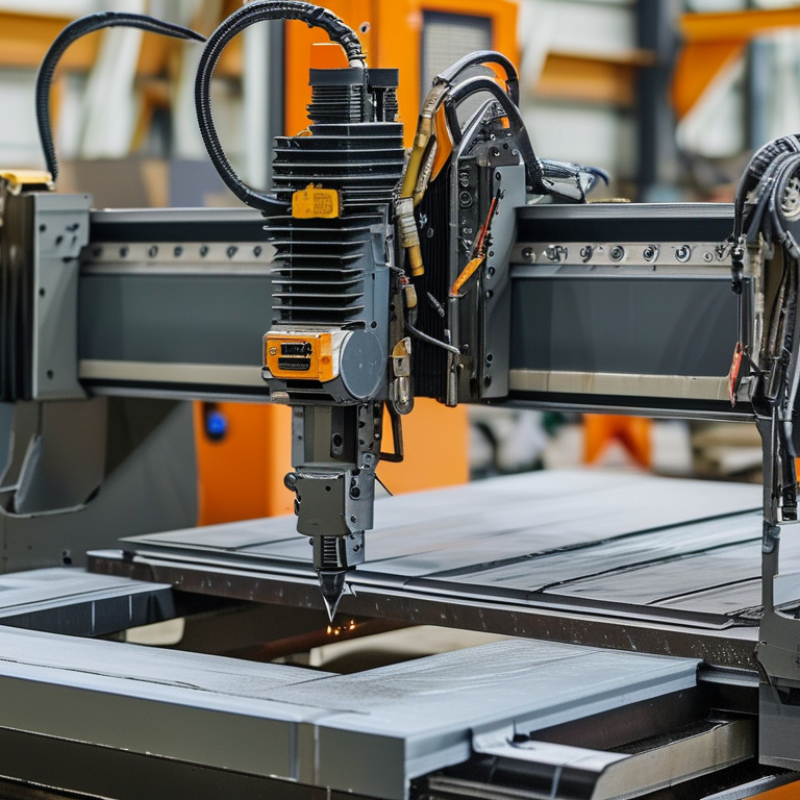
CNC cutting machines are crucial in modern manufacturing. These machines automate the cutting process, enhancing precision and efficiency. Various types of CNC cutting technologies exist.
Plasma cutters, laser cutters, and water jet cutters each have unique applications and advantages. Manufacturers often choose based on material type and desired finish.
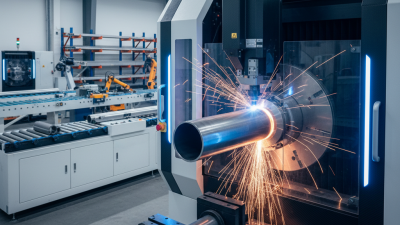
Plasma cutters work best with conductive metals. They use high-velocity jets of ionized gas to cut through thick materials.
Laser cutters provide excellent detail, making them ideal for intricate designs. Water jet cutters, on the other hand, are versatile. They can cut through soft materials without heat distortion. Each technology has drawbacks. For example, plasma cutting can produce rough edges, which may require additional finishing.
Understanding these technologies helps buyers make informed decisions. Factors like budget, material types, and production volume influence choices. Researching supplier capabilities is essential. Buyers should ask for technical specifications and support services. This ensures their investment aligns with production needs.
Key Features to Consider When Choosing a CNC Cutting Machine
When selecting a CNC cutting machine, several key features are essential to evaluate. Start with the machine’s cutting technology. Options include laser, plasma, or waterjet cutting. Each technology has its strengths and limitations. For instance, laser cutting offers precision, while plasma cutting is more cost-efficient for thicker materials. Knowing the ideal application helps narrow your choices.
Another critical aspect is the machine’s material compatibility. Ensure the CNC cutter can handle the materials you intend to work with, whether metals, plastics, or wood. The maximum thickness and cutting speed also matter. These specifications influence productivity and can vary widely. Look for machines with adjustable settings for different materials, enhancing versatility.
Don't overlook the software capabilities. User-friendly software can simplify design processes and increase efficiency. Investigate integration options with existing systems. Customer support and warranty services should also weigh heavily in your decision. Remember, even reputable manufacturers may have inconsistencies. Always read user reviews and seek feedback from other operators before making your final choice.
Comparison of Leading CNC Cutting Machine Brands and Models
When evaluating CNC cutting machines, various factors come into play. Recent studies indicate that the global CNC cutting market is projected to reach $6.1 billion by 2026, with a compound annual growth rate of 5.2%. This growth reflects the demand for precision in manufacturing across industries such as aerospace and automotive.
Leading brands often showcase their technology in specific areas. For example, some machines prioritize speed over precision, while others focus on quality cuts but may have slower operational times. User reviews can be mixed, with some operators appreciating the reliability of one brand while others note inconsistencies in service support. It’s essential to weigh these user experiences carefully against technical specifications.
Price points also vary significantly. Machines may range anywhere from $20,000 to over $100,000. Buyers must ask themselves if these machines meet their production needs without overspending. Some models promise advanced features, yet users may discover they are not beneficial for the intended applications. Ensuring a clear understanding of project requirements can help align machine capabilities with operational goals.
Global Market Trends in CNC Cutting Machine Adoption
The global market for CNC cutting machines is experiencing noteworthy trends. As industries seek efficiency and precision, these machines have become essential. According to a recent report by Market Research Future, the CNC cutting machine market is predicted to grow at a CAGR of 6.5% from 2021 to 2028. This growth highlights the increasing reliance on automated solutions across sectors such as automotive, aerospace, and metal fabrication.
Adoption rates vary significantly by region. North America leads in market share, driven by high demand for advanced manufacturing technologies. Meanwhile, Asia-Pacific is making strides as a growing market, particularly in countries like China and India. The need for cost-effective and high-quality production processes fuels this trend. However, challenges such as initial investment costs and the need for skilled labor remain.
Tips for potential buyers: Assess your production needs carefully before investing. Understand the specifications that align with your operational goals. It's also wise to consider the after-sales support provided by suppliers. While affordability is crucial, prioritize quality to avoid costly downtimes. In this ever-evolving landscape, continuous learning and adaptation are key to leveraging CNC technologies effectively.
Global CNC Cutting Machine Adoption Trends
Future Innovations in CNC Cutting Technology and Their Impact
The field of CNC cutting technology is evolving rapidly. Innovations in machine design, software integration, and material handling are changing the landscape. According to a report from MarketsandMarkets, the CNC machine market is projected to reach $100 billion by 2025. This growth highlights the increasing demand for precision and efficiency in manufacturing processes.
Emerging technologies like AI and IoT are enhancing CNC machines. These advancements improve predictive maintenance and operational efficiency. A study by Grand View Research indicates that smart manufacturing is expected to grow by 12% annually through 2026. However, companies must adapt to these changes. Not all firms are prepared for the digital transformation needed to harness these innovations.
Practical challenges exist in integrating new technologies. Too many manufacturers focus on hardware rather than software. Many overlook the importance of training personnel to operate advanced systems effectively. An emphasis on continuous learning can bridge this gap. As the technology evolves, companies must prioritize flexibility to remain competitive in a changing market.