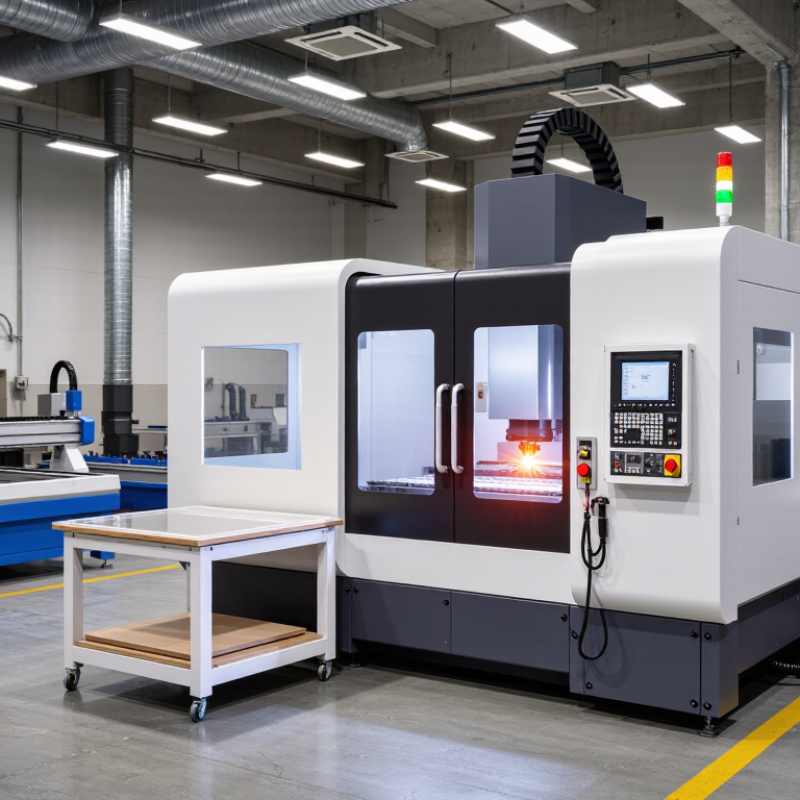
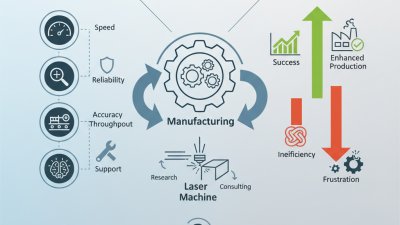
Choosing the right Laser Cnc Machine in 2026 requires more than comparing wattage or online prices. Global buyers must examine cutting performance, machine stability, safety design, service support, and long-term operating costs. A machine that cuts 12 mm acrylic smoothly may struggle with hardwood, stainless steel, or repeated production cycles. Bed size matters too. A 1300 × 900 mm work area can suit signage and furniture parts, while smaller workshops may prefer a compact 600 × 400 mm system.
Real buying decisions depend on measurable details. This guide evaluates laser source quality, motion accuracy, cooling systems, software compatibility, exhaust performance, and material testing. It also considers electrical requirements, installation conditions, warranty terms, spare-part access, and regional compliance documents. Safety interlocks and emergency stops are essential, not optional features. Import procedures vary by destination.
Price can mislead.
A low-cost machine may appear attractive, yet weak ventilation, unstable rails, or limited technical support can create expensive delays. Buyers should request cutting samples, maintenance records, factory videos, and clear specification sheets before placing an order. Supplier claims deserve verification through independent reviews and practical demonstrations. Some comparisons remain imperfect because materials, operators, and production environments differ. That limitation matters.
The best choice depends on actual workload, available space, local service coverage, and future expansion plans. Careful buyers should record expected materials, daily cutting hours, preferred software, and acceptable downtime. This introduction sets a practical framework for comparing leading 2026 models with greater confidence, while recognizing that no single Laser Cnc Machine fits every global workshop.
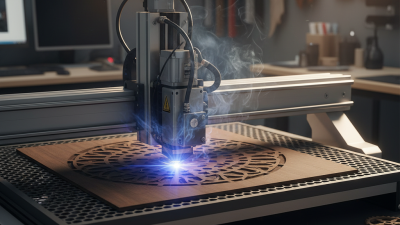
A laser CNC machine is a computer-controlled cutting and engraving system. It combines a laser source, motion rails, focusing optics, a worktable, and exhaust equipment. The operator prepares a digital drawing, then converts it into machine instructions. These instructions guide the laser head along precise X, Y, and sometimes Z movements.
The focused beam creates intense heat on a small surface area. Depending on the material and power, it melts, vaporizes, or marks the surface. Assist gas can push away smoke and improve the cutting edge. Wood, acrylic, fabric, and coated metals require different laser types and settings. A thicker sheet needs slower movement or higher power. That relationship is not always predictable.
Calibration matters.
Before production, operators should check focus distance, bed alignment, lens cleanliness, and exhaust flow. A small focus error can produce dark edges or incomplete cuts. Moisture in wood may also change the result. Software settings can look correct, yet the finished part may still need adjustment. For global buyers, practical evaluation should include voltage compatibility, safety interlocks, documentation, replacement optics, and technical support. A machine is not truly efficient if maintenance becomes difficult after installation. Even experienced users should test unfamiliar materials on scrap pieces first.
Choosing a laser CNC machine starts with the material, not the advertised wattage. CO2 systems work well on wood, acrylic, paper, fabric, leather, and coated surfaces. They cut nonmetal sheets cleanly when focus, airflow, and speed are correctly matched. Acrylic edges can look polished. Smoke residue may still appear on pale materials. For signs, packaging, models, and interior parts, a CO2 bed offers broad flexibility.
Fiber laser machines suit stainless steel, mild steel, aluminum, brass, and other metal applications. They support thin-metal cutting, component production, and durable surface marking. Assist gas can change edge quality and operating cost. Metal thickness matters greatly. A machine designed for sheet cutting may not suit fine engraving. Buyers should compare power, lens options, work area, extraction, cooling, and local electrical requirements. Higher power is not automatically better.
Diode lasers can handle light cutting and engraving on wood, cardboard, cork, and selected coated materials. They suit small studios with limited budgets, but slower cutting is a real compromise. UV lasers help mark delicate plastics, glass, coated metals, and electronic surfaces with less heat exposure. Test before production. I have seen copied settings create charred edges or incomplete cuts. Reliable suppliers should provide sample testing, maintenance guidance, safety documents, and realistic throughput data. No specification sheet reveals every material problem.
The chart compares the practical suitability of common laser CNC machine types across typical materials. Fiber lasers are optimized for metal cutting and marking, CO₂ lasers for organic and non-metal materials, UV lasers for fine-detail cold marking, and diode lasers for low-power engraving and light-duty cutting.
Suitability index: 0 = generally unsuitable, 5 = highly suitable. Actual results depend on laser power, wavelength, material thickness, optics, gas assist, speed, and process requirements. PVC and other chlorine-containing materials should not be laser processed because they can release hazardous gases.
Choosing a laser CNC machine starts with the material, not the advertised wattage. A larger working area helps with full sheets, while a smaller bed may deliver better value for compact parts. Check laser power, wavelength, cutting thickness, and beam quality. These specifications should match your materials and daily production volume. Cutting speed matters, but acceleration and positioning accuracy matter too. Ask for repeatability data, not only maximum speed.
In practical workshops, poor extraction causes more trouble than slow cutting. Look for enclosed designs, effective fume removal, emergency stops, door interlocks, and stable cooling systems. Electrical compatibility is also essential for global buyers. Confirm voltage, frequency, certificates, manuals, and replacement-part availability before payment. I once focused too heavily on bed size. It looked impressive, but the machine needed more floor space than expected.
Tips: Request sample cuts using your actual material and thickness. Measure edge quality, kerf width, burn marks, and cutting time. Review maintenance steps with an operator, not only a salesperson. Software compatibility deserves attention; awkward controls can reduce productivity every day. Reliable suppliers should provide calibration guidance, safety documentation, and responsive technical support. Leave room for uncertainty. Real workshop conditions often differ from showroom tests.
2026 Best Laser CNC Machine for Global Buyers
How to Compare Safety, Software, Maintenance, and Operating Costs?
For global buyers, safety should be tested, not assumed. A machine needs a sealed working area, reliable door interlocks, and an accessible emergency stop. Check the exhaust path and confirm that fumes are filtered correctly for your material. Ask for documented safety tests, electrical specifications, and operator training details. Local requirements may differ, so verify them before importing equipment. Small gaps matter.
Software affects daily productivity more than many buyers expect. Test whether it accepts common design files without repeated conversion. Review cutting libraries, nesting tools, remote diagnostics, and update policies. Offline operation can protect production when internet access fails. Licensing fees may look modest, but several workstations can increase annual costs. A simple interface often beats advanced features that operators rarely use.
Maintenance costs include more than replacement lenses. Inspect access to optics, rails, filters, belts, and cooling systems. Ask how often calibration is needed and whether critical spare parts are locally available. Electricity, compressed air, ventilation, labor, and downtime belong in the operating-cost estimate. Request a sample maintenance schedule and calculate one year of real usage. I once underestimated filter changes in a dusty workshop; the machine remained functional, but cutting quality declined noticeably. That mistake still influences how I compare machine quotations.
| Comparison Dimension | CO2 Laser CNC | Fiber Laser CNC | Diode Laser CNC | UV Laser CNC |
|---|---|---|---|---|
| Typical Laser Power | 40–300 W for engraving and cutting non-metal materials | 1,000–6,000 W for sheet-metal cutting; higher power is available for industrial production | 5–40 W for engraving and light cutting | 3–20 W for precision marking and micro-processing |
| Best-Suited Materials | Wood, acrylic, plastics, textiles, leather, rubber, paper, and selected coated metals | Carbon steel, stainless steel, aluminum, brass, copper, and galvanized sheet | Wood, leather, cardboard, paper, some acrylic, and coated or painted surfaces | Glass, ceramics, plastics, coated metals, electronic components, and sensitive polymers |
| Typical Cutting Capability | Approximately 3–25 mm on non-metal materials, depending on power and material | Approximately 0.5–25 mm on metal sheet, depending on power, material, and cutting speed | Thin wood, paper, cardboard, leather, and selected plastics; generally not intended for production metal cutting | Primarily marking, engraving, and shallow processing rather than thick-material cutting |
| Typical Work Area | 400 × 400 mm to 1,300 × 900 mm | 1,500 × 3,000 mm to 2,000 × 6,000 mm for sheet-metal systems | 300 × 300 mm to 1,000 × 1,000 mm | 100 × 100 mm to 300 × 300 mm for high-precision applications |
| Positioning Accuracy | Commonly ±0.05–0.10 mm on well-maintained machines | Commonly ±0.03–0.08 mm on industrial sheet-metal systems | Commonly ±0.05–0.15 mm, depending on frame rigidity and motion system | Commonly ±0.01–0.03 mm in precision marking applications |
| Safety Enclosure | Fully enclosed Class 1 design is preferred; open systems require strict laser-control procedures | Fully enclosed Class 1 design is strongly recommended because invisible infrared radiation can cause severe eye injury | Enclosure is recommended; visible blue laser light can cause eye injury and may ignite combustible materials | Fully enclosed Class 1 design is preferred because ultraviolet radiation can damage eyes and skin |
| Required Safety Features | Interlocked doors, emergency stop, exhaust ventilation, flame monitoring, cooling protection, and suitable fire controls | Interlocked enclosure, emergency stop, protective viewing windows, fume extraction, cooling protection, and fire monitoring | Protective enclosure, emergency stop, air assist, ventilation, flame monitoring, and certified laser eyewear when required | Interlocked enclosure, UV-rated viewing protection, emergency stop, ventilation, and controlled access |
| Fume and Dust Control | Essential; cutting plastics, wood, and coated materials can generate hazardous fumes | Essential; metal fumes and fine particles require suitable extraction and filtration | Essential for wood, plastics, leather, and painted materials | Usually lower-volume extraction, but process fumes still require risk assessment and ventilation |
| Software Compatibility | Usually supports common vector formats such as DXF, SVG, AI, and PDF; raster engraving is widely supported | Supports CAD/CAM workflows including DXF, DWG, AI, SVG, and nesting tools for sheet optimization | Usually supports SVG, DXF, PNG, JPG, and basic vector or raster workflows | Supports vector files, barcode data, serial numbering, and fine-detail marking workflows |
| Software Learning Curve | Medium; operators need to understand power, speed, focus, air assist, and material testing | Medium to high; cutting databases, gas selection, nesting, piercing, and assist-gas settings require training | Low to medium; suitable for simpler engraving and prototyping workflows | Medium to high; precision marking parameters and heat-sensitive materials require process control |
| Routine Maintenance | Clean optics, align mirrors, inspect the nozzle, maintain the cooling system, clean rails, and replace the tube when needed | Clean the protective lens and nozzle, inspect the cutting head, maintain the chiller, lubricate motion components, and check gas lines | Clean the lens, check focus and air assist, clean rails, inspect belts, and maintain the cooling or fan system | Clean the focusing optics, inspect the scanner or motion system, maintain cooling, and control dust contamination |
| Major Consumables | Laser tube, mirrors, focus lens, nozzle, cooling water, filters, and exhaust filters | Protective windows, focus lenses, nozzles, assist gases, ceramic rings, filters, and chiller components | Focus lens, air-assist parts, filters, and occasional laser module replacement | Focusing optics, protective windows, filters, and laser-source components over the service life |
| Typical Laser-Source Service Life | Glass laser tubes commonly require replacement after approximately 1,000–10,000 operating hours, depending on type and duty cycle | Industrial fiber sources commonly provide approximately 50,000–100,000 operating hours under suitable conditions | Diode modules commonly provide approximately 5,000–20,000 operating hours, depending on cooling and operating conditions | UV laser sources commonly provide approximately 10,000–20,000 operating hours, depending on pulse settings and environment |
| Electrical Demand | Usually moderate; the laser tube, chiller, exhaust fan, air assist, and motion system determine total demand | High compared with engraving machines; total demand also includes the chiller, exhaust, compressor, and assist-gas equipment | Low to moderate; generally suitable for standard single-phase electrical service | Low to moderate; precision cooling and extraction requirements vary by system configuration |
| Typical Operating-Cost Profile | Medium: electricity and extraction are moderate, but tubes, optics, cooling water, and alignment add maintenance cost | Medium to high: electricity, assist gas, extraction, lenses, nozzles, and industrial maintenance affect cost per part | Low: low power consumption and limited consumables, although productivity is lower for thick or large jobs | Medium to high per processed unit: low material removal but higher-value precision optics and source components |
| Production Speed | Fast for engraving and non-metal cutting; speed decreases substantially with thicker materials | Fastest option for many metal-sheet cutting applications, especially in repetitive production | Suitable for prototyping and light-duty production; slower on thick materials and large workpieces | Fast for fine marking and small parts, but not intended for bulk cutting |
| Operator Skill Requirement | Medium; material compatibility, ventilation, fire prevention, and optical alignment are important | High; operators need training in laser safety, assist gases, nesting, piercing, heat control, and maintenance | Low to medium; safe material selection and fire prevention remain essential | Medium to high; process validation is required for sensitive materials and fine features |
| Global-Buyer Considerations | Confirm electrical voltage, cooling requirements, exhaust regulations, spare optics availability, and local service support | Confirm floor loading, three-phase power, assist-gas supply, chiller capacity, extraction compliance, and technician training | Confirm enclosure certification, ventilation requirements, replacement-module availability, and software language support | Confirm UV safety certification, temperature and humidity limits, optical-parts supply, and qualified service support |
| Best Choice For | Sign production, interior products, packaging, crafts, acrylic fabrication, and non-metal sheet processing | Metal fabrication, industrial components, kitchen equipment, automotive parts, and high-volume sheet production | Education, hobby production, personalization, prototyping, and small-format engraving | Electronics, medical components, glass marking, precision plastics, and high-detail identification marks |
Note: Figures are typical industry ranges for comparison only. Actual performance, operating cost, safety classification, service life, and material thickness depend on laser power, machine design, duty cycle, material composition, ambient conditions, software settings, and local electrical and workplace-safety requirements.
Global buyers should evaluate a laser CNC machine through evidence, not attractive specifications. Ask for factory videos, dated test cuts, and a complete machine configuration. Check laser power, working area, positioning accuracy, control system, and supported materials. Request test samples using your actual thickness and design files. A polished sample proves little if the supplier chooses easy settings. Small details matter. Observe edge quality, smoke extraction, noise, and cutting consistency.
Supplier reliability needs more than a responsive salesperson. Review company history, technical staff, export experience, and service coverage in your destination country. Ask for serial documentation, installation requirements, spare-parts lists, warranty terms, and remote training procedures. Confirm electrical standards, packaging methods, customs documents, and delivery responsibilities in writing. Speak with recent customers when possible. Their complaints may reveal more than testimonials. I would not accept vague promises about delivery or accuracy. However, even careful checks cannot remove every risk.
Before payment, compare total landed cost, including shipping, duties, installation, consumables, software, and maintenance. Use a contract with measurable acceptance criteria, inspection timing, and remedies for missing components. A pre-shipment video inspection helps, but it is not a substitute for commissioning tests. Keep records of emails, drawings, agreed settings, and payment milestones. Buyers sometimes focus too heavily on machine price and underestimate training time. That mistake can delay production for weeks. Leave room for learning. A machine that fits your workflow, support capacity, and local compliance is usually a safer purchase.