Top Laser Machine Solutions for Global Buyers Seeking Quality?
As global demand for precision manufacturing rises, the Laser Machine industry is evolving rapidly. According to a report by Market Research Future, the market is projected to grow at a CAGR of 5.9% from 2021 to 2028. This growth indicates the increasing relevance of high-quality laser solutions in various sectors, including automotive, aerospace, and electronics.
Industry expert Dr. Emily Zhang, a leading figure in laser technology, emphasizes, “The future of manufacturing will heavily rely on the capabilities of laser machines.” Her insight highlights the crucial role these machines play in enhancing productivity and accuracy. However, selecting the right laser machine can be a complex process. Buyers must navigate a landscape filled with diverse technologies and specifications.
Quality is paramount in this field. Poor choices can lead to operational inefficiencies and increased costs. Some buyers may overlook essential factors like maintenance or service support. In a competitive market, understanding these nuances can define success or failure for businesses investing in laser technologies.
Overview of Laser Machine Types and Their Applications
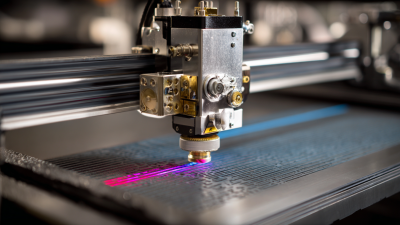
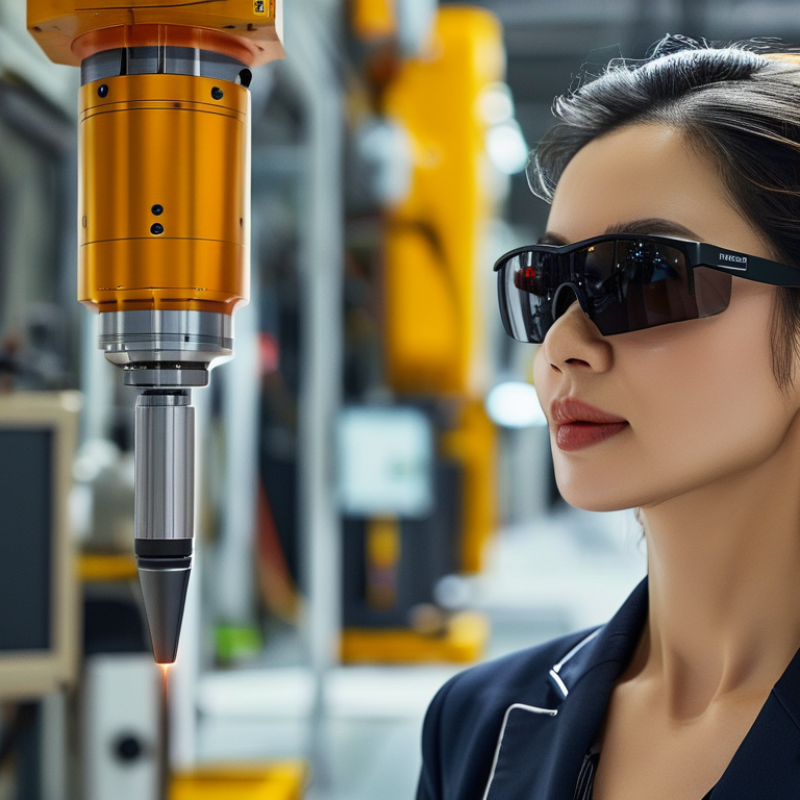
Laser machines have revolutionized various industries, offering precision and efficiency. There are several types of laser machines, including CO2 lasers, fiber lasers, and solid-state lasers. Each type has unique applications. CO2 lasers are widely used for cutting materials like wood, acrylic, and textiles. They excel in providing clean cuts and reducing material wastage.
Fiber lasers, on the other hand, are highly effective for metal processing. They allow for faster cutting speeds and superior energy efficiency. Reports indicate that the global fiber laser market is expected to reach $3 billion by 2026, growing at a CAGR of 10.5%. This growth highlights the increasing demand for high-quality laser machines in metal industries. Solid-state lasers find their niche in medical applications and precision tasks.
Tips: When selecting a laser machine, assess material compatibility. Analyze the required cutting speed and thickness. Also, consider maintenance needs. A poorly suited laser can lead to production delays and increased costs. Users should evaluate their specific needs carefully to avoid pitfalls. In the dynamic world of laser technology, staying informed about advancements is crucial for maximizing productivity.
Top Laser Machine Solutions for Global Buyers Seeking Quality
| Laser Machine Type |
Application |
Material Compatibility |
Power Range (Watts) |
Typical Use Case |
| CO2 Laser |
Cutting, Engraving |
Wood, Acrylic, Leather |
30-300 |
Signage production |
| Fiber Laser |
Metal Cutting, Marking |
Steel, Aluminum, Brass |
100-6000 |
Manufacturing parts |
| YAG Laser |
Welding, Engraving |
Metals, Ceramics |
20-150 |
Jewelry fabrication |
| Ultrafast Laser |
Micromachining, Structuring |
Glass, Thin Films |
1-100 |
Precision electronics |
| Diode Laser |
Engraving, Marking |
Plastic, Wood |
1-50 |
Custom gift items |
Key Factors to Consider When Choosing a Laser Machine
When selecting a laser machine, several key factors come into play. Buyers need to assess their specific requirements, including the materials they will work with and the desired cutting or engraving speed. According to a report by Research and Markets, the global laser cutting market is expected to reach $8.39 billion by 2026, highlighting the growing importance of these machines in various industries.
Cost is a crucial element. While it may be tempting to opt for a cheaper model, investing in high-quality machinery often pays off. High-end laser machines can lead to improved production efficiency and better quality outputs. Reliability matters too; downtime can be costly. Factors such as machine durability, warranty, and after-sales support should be considered.
Tip: Don't overlook user reviews and case studies. They can provide insights into the long-term performance of the machines you are considering.
Potential buyers should also think about the technology used. Fiber lasers, for instance, offer advantages in speed and precision but may not be suitable for every application. Compatibility with existing systems and materials plays a significant role. Always evaluate what you need versus what is available in the market.
Tip: Create a checklist of vital features. This will help streamline your decision-making process.
Gathering all the necessary information is vital, but make sure to reflect on your unique needs. What works for one company may not fit another.
Top Manufacturers and Brands in the Laser Machine Industry
When considering laser machines, the choice of manufacturer plays a crucial role. The industry is flooded with options, yet only a few truly excel. Key factors to evaluate include precision, speed, and after-sales support. Some brands have built strong reputations over the years, driven by consistent product performance. Companies investing in research and development often lead the pack. It's vital for buyers to seek out these brands that prioritize innovation.
Tips: Research user reviews. They provide insights that brochures cannot. Look for feedback on machine longevity and service experience. An informed choice reduces risk.
Another essential aspect is the versatility of laser machines. The best manufacturers create equipment suited for various applications. This adaptability can save time and cost in the long run. While it may be tempting to choose the cheapest option, consider the total cost of ownership. Maintenance and potential downtime can negate initial savings.
Tips: Compare warranties and support services. A generous warranty often indicates a manufacturer's confidence in their product. Don't overlook the importance of a responsive customer service team for ongoing support.
Comparative Analysis of Quality Standards in Laser Machines
When evaluating laser machines, quality standards significantly impact performance and longevity. Global buyers often face challenges regarding what defines quality in laser technology. Factors such as precision, durability, and efficiency are crucial. Precision is essential for accurate cuts and engravings. A machine that lacks this quality may lead to wasted materials and increased costs.
Durability varies across different models. Machines constructed with high-grade materials tend to withstand rigorous use better. However, not all durable machines guarantee excellent performance. Some may still fall short in other areas, such as speed or user-friendliness. Understanding these nuances helps buyers make informed decisions.
Additionally, efficiency plays a vital role in production settings. Machines that operate quickly and require less maintenance save time and money. Yet, buyers should be cautious. High speed doesn't always correlate with high quality. Thorough research and comparative analyses are necessary. Potential buyers may find themselves reflecting on what balances quality with performance. This ongoing evaluation fosters a better understanding of the laser machine market and ultimately leads to more satisfactory purchases.
Future Trends in Laser Technology and Buyer Expectations
As laser technology advances, buyers are becoming increasingly informed about their expectations. Reports indicate that the global laser market is projected to reach $12.9 billion by 2027, highlighting a growing demand for high-quality solutions. Buyers now require precision, efficiency, and adaptability from their laser machines. Efficiency is no longer a luxury; it’s a necessity.
One key trend is the rise of automation in laser systems. Studies suggest that 55% of manufacturers view integration with AI and IoT as vital. This development allows for real-time process optimization and enhanced user experience. Buyers are looking for machines that can easily connect with existing systems. However, many manufacturers struggle to keep pace with these technology shifts, leading to discrepancies in buyer satisfaction.
Quality assurance remains a critical expectation. While some companies invest significantly in testing protocols, others fall short, impacting reliability. A recent industry survey found that 42% of buyers cite poor after-sales support as a major concern. As buyers seek long-term partnerships, manufacturers must address these gaps. They should focus more on understanding buyer needs and providing comprehensive support services. This evolving landscape requires commitment from suppliers to keep their relevance in a competitive market.