Top Tips for Choosing the Right Tube Laser Cutting Machine?
Choosing the right Tube Laser Cutting Machine for your business is crucial. With various options available, understanding your specific needs can feel overwhelming. Each machine has unique features, suitable for different applications in metal fabrication.
Consider factors like power, speed, and accuracy. These aspects play significant roles in overall performance. A well-chosen tube laser cutting machine can enhance productivity and reduce operational costs. However, choosing the wrong one may lead to inefficiencies and increased expenses.
It's also essential to evaluate the support provided by manufacturers. Reliable service and maintenance can save you headaches in the long run. Make sure to do thorough research before making a decision. Reflecting on your unique requirements will help you find a machine that truly fits.
Understanding the Basics of Tube Laser Cutting Technology
Tube laser cutting technology has revolutionized industrial processes. It offers precise and efficient cutting for various materials, including metal and plastic. Understanding how this technology works is crucial when selecting a cutting machine.
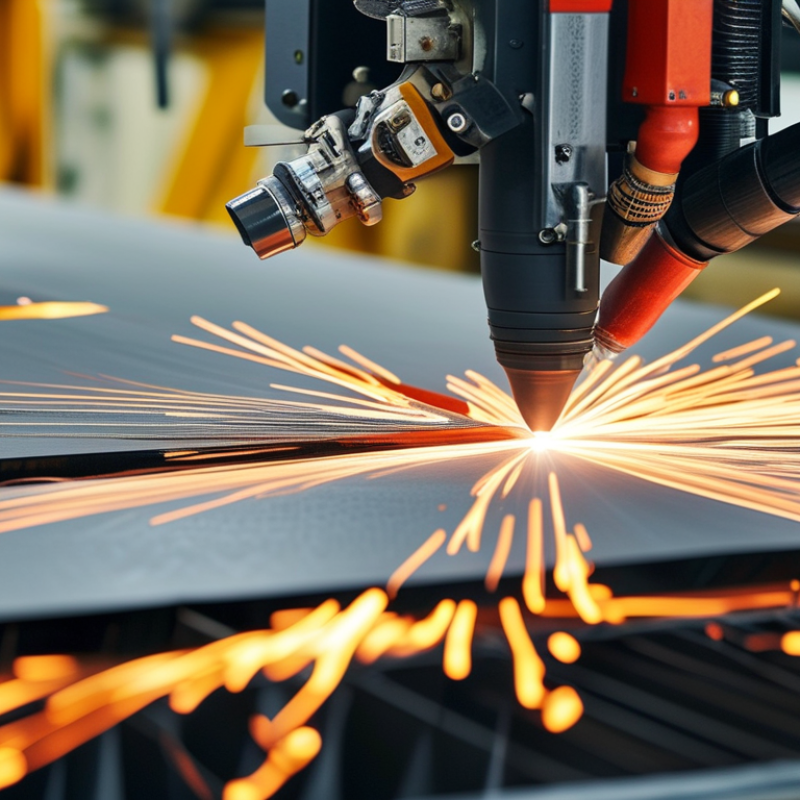
Laser beams create high-energy focus points for cutting. This method minimizes waste and enhances accuracy. However, the choice of machine can significantly impact output quality. Not all machines deliver the same level of precision. Factors like power, speed, and cooling systems can vary widely and affect performance.
Investing in tube laser cutting technology also requires reflection on your specific needs. Consider the types of materials you will cut and the volume of production. It is easy to overlook the importance of after-sales service. Maintenance and support can define your machine's longevity and efficiency. Make sure to evaluate all these aspects before making a decision.
Key Factors to Consider When Selecting a Tube Laser Cutting Machine
When selecting a tube laser cutting machine, several key factors warrant attention. Understanding the material type is crucial. Different machines handle various materials, such as steel, aluminum, or brass. Choose a machine equipped to cut your specific materials effectively. The thickness of the material also plays a vital role. Some machines are limited in terms of thickness, which can restrict your project capabilities.
Another important consideration is the power of the laser. Machines vary in wattage, influencing cutting speed and precision. Higher wattage typically allows for faster and cleaner cuts. It's essential to balance power and energy consumption, ensuring that the machine fits within your budget long-term.
Additionally, software compatibility should not be overlooked. The efficiency of a cutting machine often hinges on its software capabilities. Ensure that the machine can easily integrate with your existing design software. It's also wise to account for potential maintenance needs and support options from the manufacturer. Finally, reflecting on your specific operational requirements can guide your choice, as some machines excel in speed, while others focus on intricate designs.
Top Tips for Choosing the Right Tube Laser Cutting Machine
| Key Factor |
Description |
Importance |
| Power Source |
Determine whether the machine uses fiber or CO2 lasers, which affects cutting speed and material compatibility. |
High |
| Cutting Speed |
Evaluate the machine's speed to ensure it meets production needs. |
High |
| Material Thickness |
Check the maximum and minimum material thickness the machine can handle. |
Medium |
| Accuracy |
Assess the precision of the cutting process to meet design specifications. |
High |
| Ease of Use |
Consider user-friendly features such as software and interface design for operators. |
Medium |
| Maintenance Requirements |
Look into how often the machine needs maintenance and the associated costs. |
Medium |
| Space Requirements |
Evaluate the physical space needed for both the machine and its operational area. |
Medium |
| Budget |
Establish a budget that includes purchase price and long-term operational costs. |
High |
Comparative Analysis of Different Tube Laser Cutting Machine Types
When selecting a tube laser cutting machine, understanding the different types available is crucial. Each type has its advantages and disadvantages, impacting production efficiency and cost. For example, fiber laser machines have gained popularity for their speed and precision. According to a recent industry report, these machines can cut metal tubes at speeds up to 70 meters per minute. This efficiency can significantly reduce operational costs, making fiber lasers a favorable choice for many manufacturers.
CO2 laser machines, on the other hand, are often considered for cutting non-metal materials. Their wavelength allows for excellent interaction with plastic and wood, but their speed does lag compared to fiber lasers. Some reports indicate that CO2 machines can cut thick metals but at a slower rate. Thus, businesses need to assess their material requirements when choosing between these technologies.
The hybrid tube laser cutting system combines both fiber and CO2 technologies. This versatility is appealing, but it comes with a higher initial investment. The complexity of hybrid systems can also introduce maintenance challenges. Therefore, businesses should consider not only the upfront costs but also the long-term implications of system reliability and operating expenses. Each type presents unique features, and careful analysis is essential for informed decision-making.
Top Tips for Choosing the Right Tube Laser Cutting Machine
Evaluating Power Requirements and Cutting Speed for Optimal Performance
When selecting a tube laser cutting machine, power requirements and cutting speed are critical factors.
The power of the laser determines not only the thickness of the material you can cut but also the quality of the cut.
Generally, higher wattage allows for faster cutting speeds and cleaner edges. However, too much power can lead to burning or warping of materials.
It's essential to balance these elements according to the types of projects you typically undertake.
Cutting speed plays a significant role in efficiency and productivity. Machines with adjustable speeds can handle diverse materials better.
Some projects may require slower speeds for intricate designs, while others benefit from rapid cuts.
Knowing when to adjust these parameters hinges on experience and familiarity with the material.
Consider experimenting with different settings on a small scale before committing to larger production runs.
Many factors can influence the final cut, such as the material's properties and thickness.
Maintaining awareness of these variables allows for better decision-making.
It’s also crucial to assess feedback from both the machine and the projects.
This ongoing evaluation helps in recognizing the limitations of your settings and machine capabilities.
Maintenance Considerations for Longevity of Tube Laser Cutting Equipment
Maintaining tube laser cutting machines is crucial for ensuring their longevity and optimal performance. Regular maintenance can reduce breakdowns and improve cutting accuracy. Industry studies indicate that machines with routine checks can achieve up to 30% longer operational life compared to those that aren't maintained properly. This highlights the importance of developing a comprehensive maintenance schedule.
One key aspect is regularly inspecting lenses and mirrors. Dust accumulation can distort the laser beam, affecting cut quality. A simple cleaning routine can keep the machine operating at peak efficiency. Manufacturers recommend replacing these components every 6 to 12 months, depending on usage. Failure to do so may lead to costly repairs and downtime.
Additionally, keeping the machine's cooling system in check is vital. Inadequate cooling can lead to overheating, which significantly shortens the machine's lifespan. Research indicates that overheating can reduce a machine's operational efficiency by up to 40%. Operators should monitor coolant levels and check for leaks frequently. This proactive approach fosters reliability and enhances productivity over time. Regular training for staff can also be beneficial; understanding the machine's needs is essential for preventive care.