Best Laser Machine for Global Buyers in China 2026?
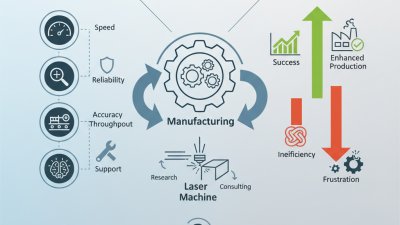
As the demand for advanced manufacturing technologies rises, the importance of choosing the right Laser Machine cannot be overstated. In China, a global hub for manufacturing, buyers are increasingly seeking reliable and efficient laser solutions. The market landscape is continually evolving, presenting both opportunities and challenges for global buyers.
In 2026, the selection of a Laser Machine will depend on various factors, including technology, price, and service support. Buyers must navigate a multitude of options, often leading to confusion about which machine best suits their needs. This complexity highlights a critical need for informed decision-making. However, many buyers overlook essential factors like after-sales service or local support.
Acquiring a Laser Machine involves understanding not only the product but also the vendor's credibility. Experience and reputation play significant roles in ensuring long-term satisfaction. Buyers should consider previous customer experiences and the machine's performance reviews. Exploring these dimensions will allow informed choices, improving productivity and efficiency in upcoming years.
Best Laser Machine Features for Global Buyers in 2026
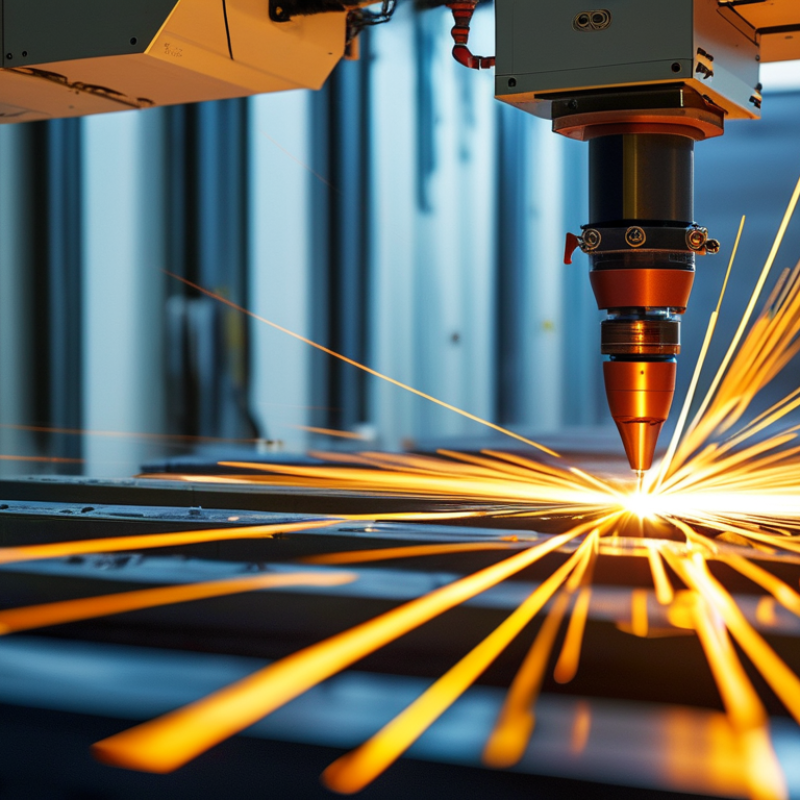
In 2026, global buyers will seek advanced features in laser machines. Efficiency is crucial. Machines must operate swiftly while maintaining high precision. User-friendly interfaces will enhance usability. Buyers will prefer machines that provide intuitive controls and real-time feedback.
Safety is becoming a priority. Manufacturers need to include robust safety mechanisms. Automatic shut-off features will help minimize risks during operation. Buyers will be cautious about safety standards, ensuring machines comply with international regulations.
Connectivity features are gaining importance. Remote monitoring will allow users to track performance. Data analytics capabilities can optimize production processes. However, some machines may still exhibit connectivity issues, requiring ongoing evaluation. Buyers must weigh the benefits of new technologies against potential drawbacks. This reflection is essential as the market evolves.
Best Laser Machine Features for Global Buyers in 2026
Key Manufacturers of Laser Machines in China for International Buyers
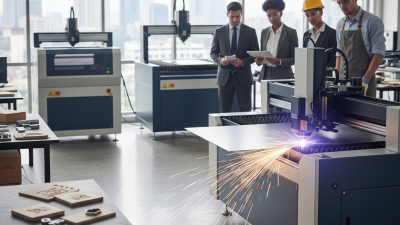
China is a significant hub for laser machine manufacturing. Many international buyers seek reliable suppliers in this growing market. The country's advanced technology and skilled workforce boost production capabilities. Numerous manufacturers focus on producing high-quality laser machines tailored to various industries. This includes engraving, cutting, and marking applications.
Key manufacturers in China often emphasize innovation. They constantly invest in research and development. However, not all firms maintain the same quality standards. It's essential for buyers to conduct thorough evaluations. Checking certifications and previous client feedback can guide purchasing decisions. Some companies may promise high performance but deliver mediocre results. Transparency and reliability are crucial.
Shipping logistics also play a critical role. International buyers often face challenges related to customs and delays. Understanding these factors is vital before making significant investments. Manufacturers sometimes struggle with communication barriers, impacting service and support. Building strong relationships with selected suppliers can enhance collaboration and improve outcomes.
Best Laser Machine for Global Buyers in China 2026
| Machine Type |
Power (Watt) |
Cutting Speed (mm/s) |
Max Sheet Size (mm) |
Price Range (USD) |
| CO2 Laser Cutter |
80 |
600 |
1300 x 900 |
$5,000 - $10,000 |
| Fiber Laser Cutter |
1000 |
2000 |
3000 x 1500 |
$15,000 - $25,000 |
| UV Laser Marking Machine |
20 |
240 |
600 x 400 |
$8,000 - $12,000 |
| YAG Laser Welding Machine |
500 |
120 |
N/A |
$20,000 - $40,000 |
| Laser Engraving Machine |
60 |
500 |
1200 x 800 |
$4,000 - $8,000 |
Market Trends Influencing Laser Machine Purchases in 2026
The laser machine market in 2026 is shaped by several key trends. Increasing demand for customization in manufacturing drives buyers to seek machines with advanced features. Companies want precision and flexibility. This shift encourages manufacturers to innovate constantly. New technologies will be essential for keeping up with evolving market needs.
Sustainability plays a significant role in purchasing decisions. Many buyers are prioritizing energy-efficient machines that reduce waste. This trend prompts manufacturers to focus on sustainable designs. However, some consumers struggle to balance cost with environmental impact. They often question whether higher investment means genuine green technology.
Global competition adds another layer of complexity. Buyers must navigate various pricing strategies and quality standards. The challenge lies in selecting machines that offer the best value. With rapid technological advancements, staying informed becomes crucial. Many decision-makers find it difficult to keep pace. They may need to reevaluate their selection criteria regularly.
Comparison of Laser Technologies Suitable for Global Markets
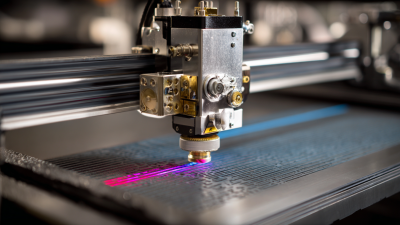
As the global demand for laser machines increases, understanding the various technologies is essential. One key area is fiber laser technology, known for its efficiency and precision. This method utilizes a solid-state medium, which often provides better energy conversion rates. Many industries benefit from this, especially in metal cutting and engraving.
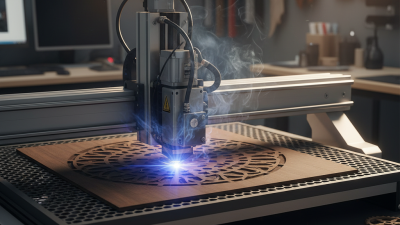
Another significant technology is CO2 lasers, widely used for cutting non-metal materials. These lasers are versatile, handling materials like wood, acrylic, and textiles. Their longer wavelength allows for deeper penetration, resulting in clean cuts. However, CO2 lasers may not match the speed of fiber lasers in certain applications.
A lesser-known option is diode lasers, which are gaining traction due to their compact size and affordability. While they may not offer the same power levels as fiber or CO2 lasers, they serve well in specific applications, such as beauty treatments and low-power engraving. Each technology presents its advantages and drawbacks, emphasizing the need for buyers to thoroughly assess their specific needs before making a decision. This nuanced understanding can lead to better investment choices in the evolving market.
Tips for Selecting the Right Laser Machine from Chinese Suppliers
When selecting a laser machine from Chinese suppliers, buyers should focus on several key factors. Understanding the capabilities of the laser machine is crucial. Reports indicate that the laser market is projected to grow to $14 billion by 2026, underscoring the importance of making informed choices.
Consider application needs first. For instance, high-powered CO2 lasers are suitable for cutting and engraving on various materials. Analyzing supplier specifications can prevent costly mistakes. The reliability of after-sales support is also vital. A report from Industry Expert states that 30% of buyers regret not verifying support services before purchasing.
Supplier reputation is another critical aspect. Look for reviews and feedback. Industry forums often provide insights into suppliers' track records. However, be cautious of overly positive feedback; it may not reflect the true quality of the machines. Buyers should seek a balance between cost and quality. A lower price often means compromised features, which can lead to performance issues later.