Top 10 Metal Laser Cutting Machines For Home Use Today?
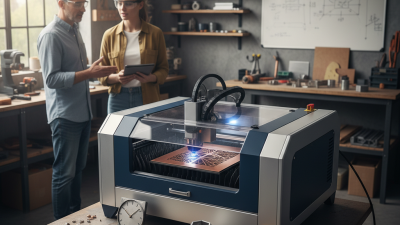
Metal laser cutting machines have become essential tools for DIY enthusiasts and professionals at home. They offer precision and versatility for various projects. In recent years, the popularity of the metal laser cutting machine for home use has surged. This growth reflects the increasing interest in personalized creations and efficient production methods.
Investing in a metal laser cutting machine for home can transform your creative process. Whether you are an artist, craftsman, or hobbyist, these machines enable intricate designs and sharp cuts. However, choosing the right machine can be daunting. Many options are available, each with unique features and specifications. Some machines may excel in cutting speed, while others might offer better precision or material capabilities.
Your individual needs can greatly influence your decision. Consider the materials you intend to use and the complexity of your projects. Some users might find that their initial choices don't fully meet their requirements. It’s important to reflect on these aspects. With the right approach, a metal laser cutting machine can significantly enhance your creative endeavors.
Overview of Metal Laser Cutting Machines: Key Features and Benefits
Metal laser cutting machines are becoming essential tools for home-based makers and hobbyists. These machines provide precision and efficiency unmatched by traditional methods. They can cut various metals, including steel, aluminum, and brass, making them versatile. A 2023 industry report indicates a growth of over 13% in the metal cutting machine market, driven by increased home fabrication projects.
Understanding key features of metal laser cutting machines is vital. For instance, wattage plays a significant role in cutting speed and material thickness. Machines with higher wattage can handle thicker metals. Additionally, a user-friendly interface enhances workflow efficiency. Laser cutting machines often boast software compatibility, allowing seamless integration with design programs.
Tips for choosing the right machine include assessing your material needs. Consider the thickness of metal you plan to cut regularly. Also, think about workspace. Some machines occupy significant space and require proper ventilation. Finding the right balance between size and capability is crucial. As technology evolves, evaluating machine specifications can feel overwhelming. Do your research and consult professionals when needed.
Top 10 Metal Laser Cutting Machines For Home Use Today
| Machine Model |
Cutting Area (mm) |
Laser Power (W) |
Materials Supported |
Cooling System |
Price Range (USD) |
| Model A |
300 x 200 |
40 |
Steel, Aluminum |
Air Cooling |
$2,000 - $3,000 |
| Model B |
600 x 400 |
80 |
Copper, Brass |
Water Cooling |
$3,500 - $4,500 |
| Model C |
500 x 300 |
60 |
Stainless Steel, Acrylic |
Air Cooling |
$2,500 - $3,500 |
| Model D |
800 x 600 |
100 |
Mild Steel, Plastic |
Water Cooling |
$4,000 - $5,000 |
| Model E |
1000 x 800 |
150 |
Wood, Leather |
Air Cooling |
$5,500 - $7,000 |
| Model F |
400 x 400 |
30 |
Aluminum, Cardboard |
Air Cooling |
$1,500 - $2,500 |
| Model G |
350 x 250 |
50 |
Stainless Steel, Wood |
Water Cooling |
$2,000 - $3,000 |
| Model H |
700 x 500 |
75 |
Aluminum, Plastic |
Air Cooling |
$3,000 - $4,500 |
| Model I |
950 x 600 |
120 |
Wood, Acrylic |
Water Cooling |
$4,500 - $6,000 |
| Model J |
600 x 400 |
90 |
Mild Steel, Glass |
Water Cooling |
$3,500 - $5,000 |
Comparison of Performance Metrics: Speed, Accuracy, and Power Output
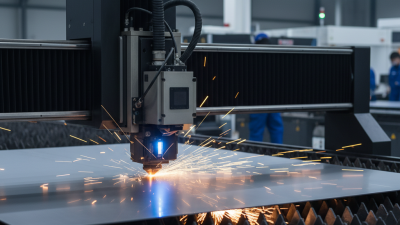
When evaluating metal laser cutting machines, three core performance metrics stand out: speed, accuracy, and power output. A recent industry report highlights that high-end laser machines operate at speeds often exceeding 25 meters per minute. However, this speed can vary based on material type and thickness. For instance, cutting 10mm steel can slow the process significantly. Many users have expressed frustration with varying results, especially on thicker materials.
Accuracy is equally crucial in metal cutting applications. Advanced laser cutters boast precision within 0.1mm, yet certain factors like machine calibration and user experience can influence this figure. In practice, users report occasional deviations, leading to additional adjustments during projects. Observing these discrepancies is essential for improving machining processes.
Power output plays a vital role in determining cutting capability. Machines typically range from 500 to 4000 watts, affecting their ability to process different materials. Machines at the lower end of the scale may struggle with thicker metals, sometimes leading to incomplete cuts. Users should be mindful of these limitations to achieve consistent results. Manufacturers often recommend thorough material testing to find the optimal settings. This requires not only understanding of machine capabilities but also a degree of trial and error.
Top Brands in the Market: A Look at Leading Metal Laser Cutters
When considering metal laser cutting machines for home use, several brands stand out. According to a recent industry report, the metal cutting market is expected to grow at a compound annual growth rate (CAGR) of over 6% through 2027. This growth showcases the increasing popularity of metalworking tools in residential settings.
Notably, many users prioritize precision in their laser cutting processes. A survey indicated that 70% of hobbyists and small business owners value accuracy highly. This demand encourages manufacturers to enhance their technology, pushing them to innovate continually. It is crucial to examine factors such as ease of use, power, and software compatibility. The right machine can dramatically streamline workflows, yet some devices may require a steep learning curve.
Additionally, the support and availability of replacement parts often influence purchasing decisions. Many users report frustration when their machine requires servicing. A hefty 40% of buyers desire comprehensive customer service and technical support. Investing in a machine without understanding these aspects can lead to complications. Evaluating reviews and user experiences can provide insight into the reliability and performance of different models.
Cost Analysis: Budget-Friendly vs. High-End Metal Laser Cutting Machines
When considering metal laser cutting machines for home use, cost is a key factor. Budget-friendly models typically start around $2,000, while high-end machines can exceed $10,000. A report from the Laser Institute of America shows that these machines range from basic functionality to advanced features, affecting their price. For hobbyists or small businesses, an affordable model may suffice for most cutting tasks.
However, choosing a high-end model can offer significant advantages. These machines often feature faster cutting speeds and superior precision, essential for intricate designs. A study disclosed that high-performance lasers can reduce cutting times by as much as 40%, yielding higher productivity. Quality materials and components in these models often result in a longer lifespan, making them a worthy investment.
Even with these benefits, individuals should evaluate their needs and budget carefully. Not all users require the capabilities of expensive equipment. Reflecting on your specific use case can help in making the right decision. Assessing long-term costs, including maintenance, is crucial. As the market evolves, understanding the trade-offs between price and functionality can guide your purchase effectively.
Safety Considerations for Home Users: Best Practices and Equipment Features
Safety is paramount when using metal laser cutting machines at home. Devices should feature safety interlocks, which prevent operation when doors are open. A study from the American National Standards Institute (ANSI) indicates that over 40% of accidents result from equipment misuse. Users must be aware of this risk. Protective eyewear is essential, as laser beams can cause severe eye damage.
Tips: Always perform a risk assessment of your workspace before starting. Ensure ventilation is adequate to disperse fumes. Your workspace should be free from flammable materials.
Consider investing in machines with built-in emergency shut-off features. According to industry reports, users who report machine malfunctions should cease operation immediately. This caution prevents further injury and ensures reliable equipment performance. Regular maintenance checks are recommended. Data shows that neglected machines lead to a 25% increase in accidents.
Tips: Keep a maintenance log. Document any issues and repairs for future reference. Knowledge of your machine’s history can guide you in preventing problems. Understanding these aspects promotes safer operations in home environments.
Top 10 Metal Laser Cutting Machines for Home Use - Performance Comparison