10 Essential Tips for Choosing the Right Steel Laser Cutter?
In the competitive landscape of metal fabrication, choosing the right Steel Laser Cutter is pivotal. A recent market analysis by IBISWorld indicates that the laser cutting industry has seen a growth rate of 3.2% over the past five years. As demand for precision cuts increases, understanding the nuances of different machines becomes essential. Industry expert John Smith states, "Investing in the right Steel Laser Cutter can transform your production efficiency and quality."
The selection process involves more than just price. Factors such as cutting speed, equipment reliability, and support services must be considered. Each aspect impacts operational costs and output quality. Many companies find themselves overwhelmed by options, often overlooking crucial specifications. For instance, a cutter's wattage significantly affects its performance abilities. Neglecting this can lead to unsatisfactory results and wasted resources.
Reflecting on the complexities of this decision, one must weigh immediate needs against future growth. While a low-cost option may seem appealing, it can hinder long-term efficiency. Choosing wisely can lead to better profitability and customer satisfaction. Remember, investing in a Steel Laser Cutter is a commitment that demands careful thought and reflection.
Key Considerations for Selecting a Steel Laser Cutter
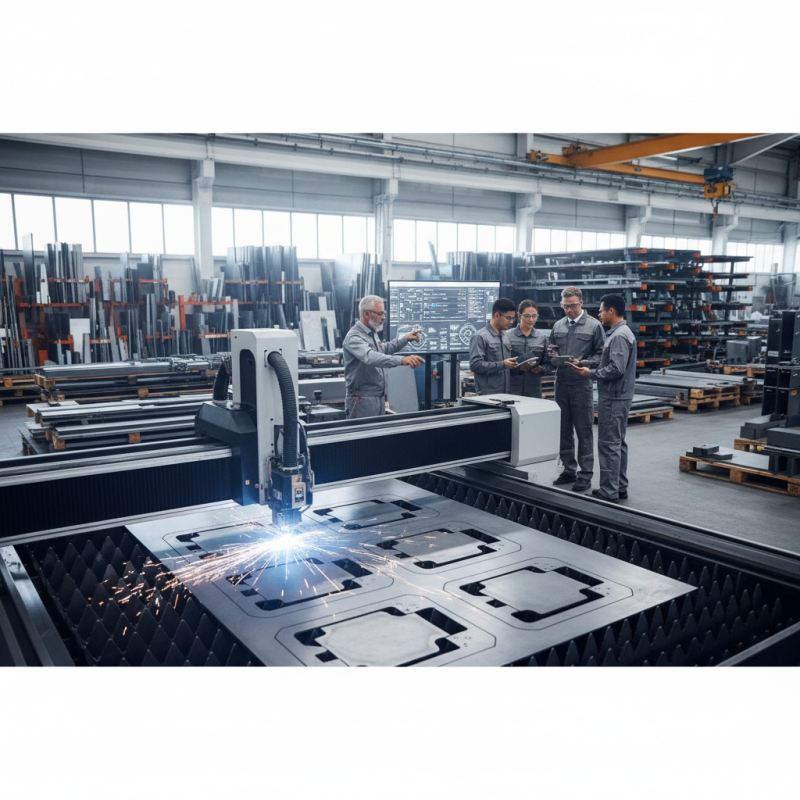
When selecting a steel laser cutter, several key considerations can impact your decision. First, consider power requirements. A laser cutter's wattage determines its cutting speed and material capacity. For instance, a 3000-watt machine can cut through steel up to 25 mm thick, while lower wattage models struggle with thicker materials. It’s essential to assess the thickness of the steel you need to process regularly.
Another aspect is the cutting area. The size of the cutting bed influences the maximum dimensions of parts you can create. Many professionals recommend a minimum bed size of 1500 x 3000 mm for versatility. However, larger beds can significantly increase costs.
Don’t overlook the software and usability of the machine. User-friendly interfaces can save time and reduce errors. According to industry reports, improper setup and complicated software contribute to 30% of productivity losses. Lastly, think about maintenance requirements. A machine with high uptime can be more advantageous, but some models require frequent calibration and parts replacement, leading to hidden costs.
Understanding Different Types of Laser Cutting Technologies
When selecting a steel laser cutter, understanding the different types of laser cutting technologies is crucial. There are primarily CO2 laser and fiber laser technologies in the market.
CO2 lasers are known for their versatility and can cut through various materials, offering a smooth finish on thicker metals. On the other hand, fiber lasers excel in speed and efficiency, especially for cutting thin sheets of metal. A recent industry report indicates that fiber lasers have about 20% higher cutting speeds compared to traditional CO2 lasers.
However, choosing the right technology involves more than just speed or material compatibility. For example, while fiber lasers are generally more efficient, they may result in a rougher edge on thicker materials. This could lead to additional post-processing requirements. Many users report that the cutting quality varies significantly between different machines, even within the same technology type. Additionally, it's important to note that costs can escalate quickly, so it's essential to evaluate the long-term operational expenses versus initial investment.
Data shows that approximately 30% of businesses underestimate maintenance needs when selecting a steel laser cutter. This oversight can increase downtime and affect productivity. Understanding these nuances can help avoid costly mistakes and ensure a better fit for specific cutting needs.
Evaluating Power and Speed Requirements for Your Projects
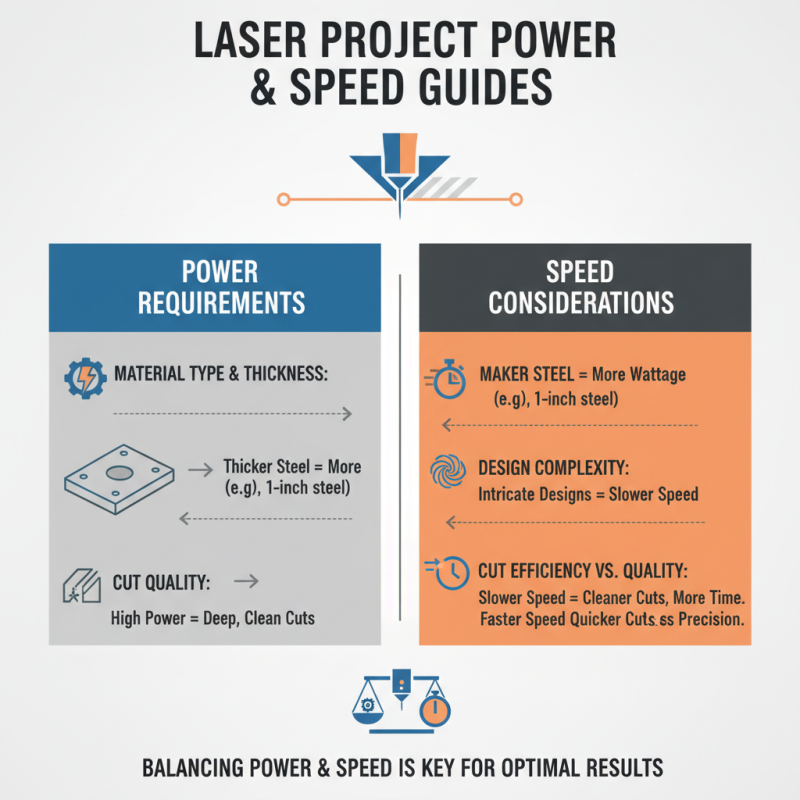
When evaluating power and speed requirements for your laser projects, consider the material you're working with. Different materials, like steel, require different power levels. A thicker steel sheet demands more wattage. For instance, cutting through one inch of steel needs a higher power setting. If your project involves intricate designs, speed plays a crucial role too. Slower speeds may produce cleaner cuts, but they take more time. Balancing these factors is key.
Don’t overlook how these settings impact your workflow. High power can lead to faster cuts, but might sacrifice quality. Conversely, focusing solely on precision may extend production time unnecessarily. You might also need to adjust settings as you shift between projects, which can be a challenge.
It’s essential to experiment with different configurations. Keep a record of what works best for each material. Sometimes, trial and error leads to the best results. Over time, you’ll develop a keen sense of the ideal balance for each project. This process is not always straightforward but refining your approach will yield better outcomes.
Assessing Budget and Cost-Effectiveness of Laser Cutters
When considering a steel laser cutter,
budget and cost-effectiveness are crucial.
A high-quality machine can be a significant investment.
It's essential to outline what you can realistically spend.
Look beyond the initial purchase price.
Factor in maintenance costs and operational efficiency.
Energy consumption is often overlooked but can add to long-term expenses.
Research different features that offer the best value for your project needs.
No machine is perfect, and every feature has trade-offs.
For example, faster cutting speeds may lead to higher energy costs.
Be wary of settling for low-quality options.
They may save money initially but could incur higher repair costs over time.
In addition to your budget, consider the potential for automation.
Automated features might require a larger upfront investment but can streamline your production.
Reflect on how often you will use the cutter.
Regular use may justify a higher investment, while occasional use might not.
Collecting feedback from other users can provide invaluable insights into cost-effectiveness.
Remember, paying less doesn’t always mean better value.
Comparing Manufacturer Reliability and After-Sales Support
Choosing a steel laser cutter is not just about the technology. Manufacturer reliability plays a crucial role. A reliable manufacturer ensures consistency. The materials used, the machinery, and the build quality matter. It's essential to check reviews and customer feedback. This gives insight into their product performance over time. A company known for reliability will often provide robust support.
After-sales support can make or break your choice. You want a manufacturer that stands behind their product. Look for warranty details and service options. Quick response times are critical. Delays in support can halt your projects. It's worth asking about training and maintenance services too. These add value to your investment.
However, not every company meets these needs perfectly. Some may have good machines but offer poor support. Others may promise great service but deliver subpar products. It's essential to weigh these factors carefully. Speak with other users to gather honest opinions. Explore forums and industry groups for experiences shared. This helps in making a more informed decision.