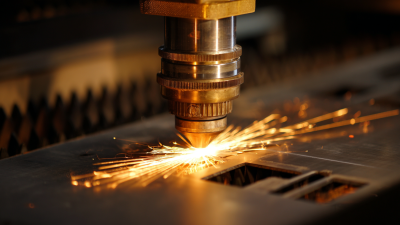
Top Tips for Efficient Metal Laser Cutting Techniques?
Metal Laser Cutting has transformed manufacturing processes across various industries. According to a report by MarketsandMarkets, the metal laser cutting market is expected to grow significantly, reaching $4.2 billion by 2025. This growth reflects the increasing demand for precision and efficiency, as businesses strive to enhance their competitive edge.
The technology offers remarkable accuracy, reducing waste in material costs. Studies show that laser cutting can achieve tolerances of just 0.01 mm. However, despite its advantages, some companies face challenges in optimizing their laser cutting techniques. Inefficient settings can lead to increased operating costs and longer production times.
For companies looking to refine their Metal Laser Cutting processes, understanding best practices is essential. This includes knowing the right settings for different materials, implementing regular maintenance, and training staff. Investing in these areas can yield a significant return on investment. Ultimately, small adjustments can lead to improved speed and quality in laser cutting applications.
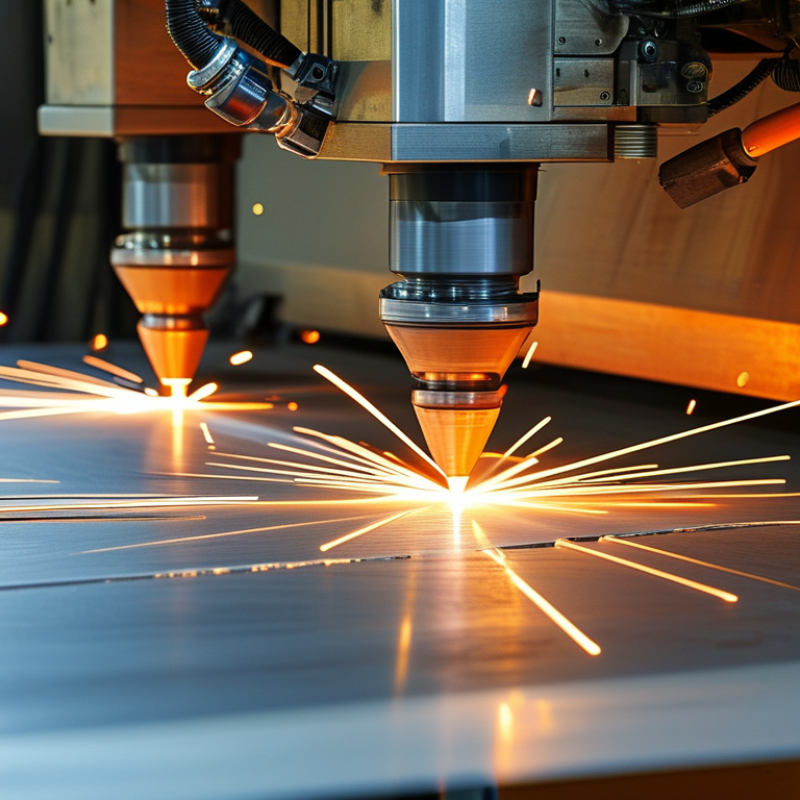
Understanding Metal Laser Cutting: Basics and Applications
Metal laser cutting has revolutionized fabrication processes across various industries. This technique utilizes high-powered lasers to precisely cut or engrave metals. It is efficient and offers intricate detailing, making it ideal for applications such as automotive, aerospace, and electronics. As industries evolve, the demand for custom metal parts increases, highlighting the growing relevance of laser cutting.
Understanding the basics of metal laser cutting is crucial. The process starts with a focused laser beam that melts, burns, or vaporizes the metal. Operators must consider material thickness, type, and the desired finish. While lasers are incredibly precise, they can generate heat-affected zones that may alter the metal's properties. It's essential to manage these factors to maintain structural integrity.
Practical experience in laser cutting reveals challenges. Some metals reflect laser light, affecting cut quality. Adjusting settings can be complex and may require multiple trials. Even seasoned operators face a learning curve when working with new materials. Continuous testing and reflection lead to refined techniques, emphasizing that even efficient processes have room for improvement.
Key Factors Influencing Metal Laser Cutting Efficiency
Efficient metal laser cutting significantly depends on several key factors. One major influence is the power of the laser. According to a report by the Laser Institute of America, higher wattage lasers cut through metal more quickly and precisely, improving overall productivity. However, simply increasing power can lead to issues such as burn marks or excessive kerf, requiring careful adjustments based on material type and thickness.
Material properties also dictate cutting efficiency. Metals like aluminum have different thermal properties compared to steel. A study from the International Journal of Advanced Manufacturing Technology indicates that cutting speeds and quality can vary widely; for example, aluminum might require faster cutting speeds to maintain edge quality. Understanding the unique attributes of each metal helps in optimizing settings.
Additionally, the quality of the optical components plays a critical role. High-quality lenses and mirrors reduce light loss during transmission, leading to better beam focus. According to data from the American Laser Manufacturers Association, even a minor reduction in beam quality can decrease efficiency by up to 15%. Choosing the right components to enhance beam clarity is crucial for achieving precise cuts. There is always room for improvement in processes, and ongoing evaluation is necessary to adapt to new materials or technologies.
Best Practices for Preparing Materials for Laser Cutting
Preparing materials for laser cutting is crucial for achieving optimal results. Proper surface preparation can enhance the effectiveness of the cutting process and the quality of the finished product. According to a report by the International Journal of Advanced Manufacturing Technology, ensuring a clean surface can enhance laser absorption by up to 30%. This highlights the value of pre-cutting cleaning and maintenance.
Removing contaminants like oil, rust, and dirt is essential. These substances can interfere with the laser beam, resulting in inconsistent cuts. Materials should ideally be clean and dry. Polishing can also improve reflectivity issues associated with certain metals. Moreover, selecting appropriate sheet sizes and thicknesses reduces waste and maximizes efficiency. The right thickness allows for faster cutting speeds while maintaining precision.
Thickness varies for different metals. For instance, aluminum may require different parameters than stainless steel. It’s also worth noting that not all materials cut the same way. Operators must adjust settings accordingly. Ignoring these factors can lead to poor quality cuts and increased downtime. It’s advisable to conduct small test cuts to refine settings before full-scale production. This practice can help identify potential issues early on.
Techniques to Optimize Laser Settings for Different Metals
When it comes to optimizing laser settings for different metals, understanding material properties is crucial. Each metal has its own characteristics. Aluminum, for instance, reflects a significant amount of laser light. This can cause inconsistent cuts unless the proper power level is used. Meanwhile, stainless steel often requires higher energy settings. It absorbs heat better, making it easier to achieve clean cuts.
Another key aspect is the thickness of the metal. Thicker materials necessitate increased power and slower cutting speeds. This ensures that the laser penetrates deeply enough for an accurate cut. For thinner metals, a faster speed helps to avoid burn marks and warping. Testing these settings in advance can save time and materials.
It’s also important to consider the type of laser used. Fiber lasers, for example, perform differently than CO2 lasers. Fiber lasers are more efficient with reflective metals. However, CO2 lasers can be favored for cutting non-metals. Each equipment type offers unique advantages that need to be assessed. Continuous experimentation and refinement lead to better outcomes. Balancing these factors is essential for success in metal laser cutting.
Post-Cutting Processes: Finishing Techniques and Quality Control
Post-cutting processes are crucial for achieving high-quality results in metal laser cutting. After cutting, components often require deburring to remove sharp edges. This step not only improves safety but also enhances the aesthetics of the parts. Using a dedicated deburring tool can speed up this process. However, over-deburring can lead to a loss of detail, so finding the right balance is essential.
Surface finishing techniques vary based on the desired outcome. Methods like sanding, grinding, or polishing can provide the right smoothness. For instance, polishing improves the materials' appearance but may require additional time and effort. Experimenting with different techniques can yield valuable insights but also highlight the potential for inconsistency in results. Proper training and practice are crucial for quality control.
Quality control checks are vital after finishing processes. Inspecting for defects like warping or discoloration helps ensure that products meet specifications. Visual inspections should complement other methods, such as laser measurement tools, to verify precision. It's helpful to establish a robust quality checklist to minimize errors. However, relying too heavily on automated systems can sometimes overlook subtle issues. Regular team discussions can aid in identifying areas for improvement.