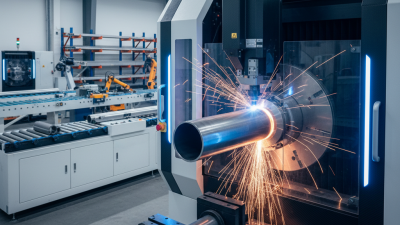
Top Laser Cutting Machine Innovations for Precision and Efficiency?
The world of manufacturing is evolving rapidly. Laser cutting machines are at the forefront of this transformation. These machines enhance precision and efficiency across various industries. Jonathan Stokes, a renowned expert in laser technology, once stated, "Innovative laser cutting machines are redefining our approach to precision manufacturing." His words highlight the profound impact these machines have on production processes.
Recent innovations focus on speed and accuracy. New laser cutting machines utilize advanced algorithms for enhanced performance. They reduce waste and increase output. As industries demand higher quality and faster turnaround times, these machines rise to the challenge. However, the rapid evolution raises questions. Are we adapting our workforce to keep pace with these changes?
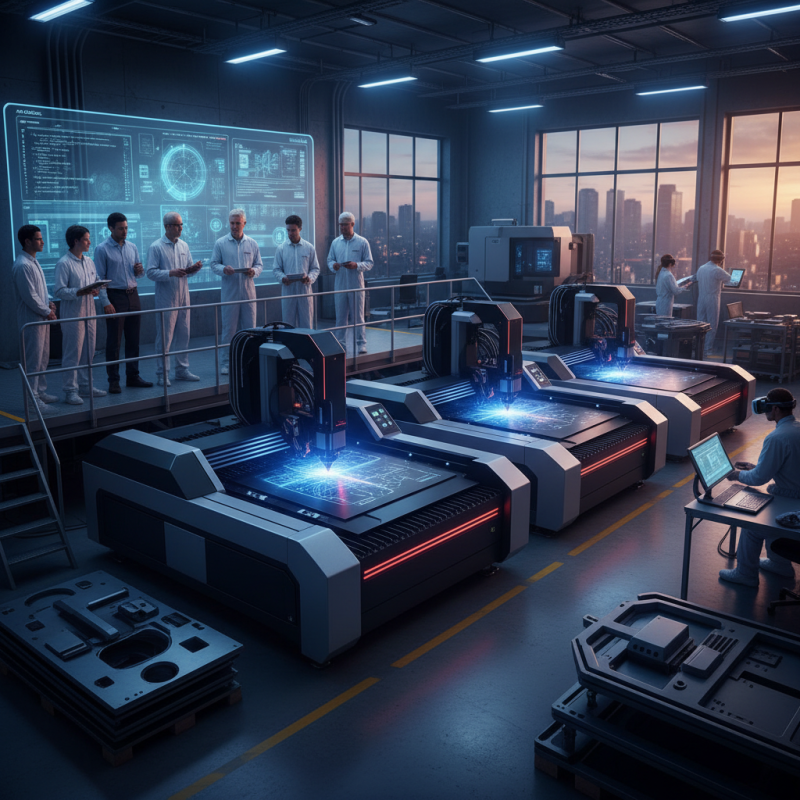
The integration of automation in laser cutting machines presents both opportunities and challenges. While automation streamlines operations, it may also create skill gaps. It's essential to consider the implications of relying heavily on technology. Balancing innovation with workforce development is key to sustainable progress in this field. Exploring these innovations leads to a deeper understanding of the dynamic landscape of laser cutting technology.
Innovative Technologies Enhancing Laser Cutting Precision
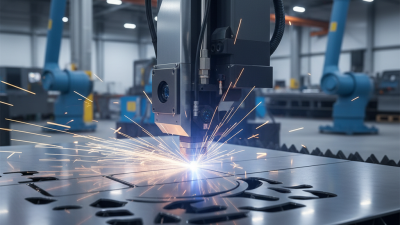
Innovations in laser cutting technology have greatly improved precision and efficiency. One notable advancement is adaptive optics. This technology adjusts the laser beam in real time, ensuring optimal focus on various materials. For instance, cutting through complex shapes becomes seamless. It helps to maintain the quality of the cut, resulting in less waste.
Another significant development is the integration of AI in laser cutting systems. AI algorithms analyze materials and thickness dynamically. They adjust the cutting parameters automatically. This adaptation leads to enhanced speed and reduced energy consumption. However, reliance on AI can sometimes lead to unexpected outcomes. Careful calibration and human oversight remain essential.
Furthermore, improved cooling techniques in lasers have emerged. They enhance performance by maintaining stable temperatures during operation. If a laser overheats, it can affect the cut quality. Yet, these systems are still evolving. Engineers continue to face challenges in ensuring consistency across different working environments. As technology progresses, it’s crucial to remember that innovation requires continual learning and adaptation.
Advancements in Speed and Efficiency for Laser Cutting Machines
Laser cutting machines have revolutionized the manufacturing industry. These tools enhance precision while boosting production speeds. The latest technologies focus on improving efficiency, leading to faster turnaround times and lower operational costs.
New advances include fiber laser technology. This innovation allows machines to cut through thicker materials with greater speed. Enhanced energy efficiency is another key development. Machines now consume less power, reducing overall expenses. Smart technology integration enables better performance monitoring, highlighting issues before they escalate.
**Tip:** Regular maintenance can prevent unexpected downtimes and costly repairs. Check your machine settings frequently to ensure optimal performance.
Another area of innovation is software advancements. Improved software can optimize cutting paths, reducing material waste. Users can customize settings for different materials easily. However, operators must be trained correctly to maximize benefits. Misuse can lead to suboptimal outcomes.
**Tip:** Invest in operator training. Well-trained staff can leverage machine capabilities effectively. This training often offsets initial costs by improving efficiency.
Top Laser Cutting Machine Innovations for Precision and Efficiency
Emerging Materials and Their Impact on Laser Cutting Processes
In recent years, laser cutting technology has evolved significantly due to the introduction of emerging materials. New composites and alloys are transforming the capabilities of laser cutting machines. Reports indicate that the global laser cutting market is projected to exceed $6 billion by 2026. This growth is largely attributed to advancements in materials like carbon fiber and high-strength steels.
These materials interact differently with laser energy, necessitating equipment upgrades. For instance, carbon fiber's low thermal conductivity necessitates precise settings to avoid damage. Aluminum and titanium, which require specialized lasers, demand careful calibration for optimal cutting. The adaptability of machines to new materials is crucial for maintaining efficiency.
Tip: Always conduct a compatibility test before processing new materials. Small adjustments can significantly impact the final cut quality.
Additionally, the rise of smart materials, which change properties under specific conditions, presents both opportunities and challenges. Using these materials can enhance product performance. However, companies must invest in R&D to fully exploit these innovations. The balance between introducing new materials and the learning curve for operators creates an area for improvement.
Tip: Continuous training for staff on new materials is essential. Upgrading skills alongside technology ensures better outcomes.
Top Laser Cutting Machine Innovations for Precision and Efficiency
| Innovation |
Material Type |
Cutting Speed (m/min) |
Precision (mm) |
Efficiency (%) |
| Fiber Laser Technology |
Stainless Steel |
20 |
0.1 |
90 |
| CO2 Laser Improvement |
Acrylic |
15 |
0.05 |
85 |
| Ultrafast Lasers |
Copper |
30 |
0.02 |
92 |
| Green Lasers |
Glass |
12 |
0.08 |
88 |
| Hybrid Laser Systems |
Carbon Steel |
25 |
0.1 |
91 |
Integration of Automation in Laser Cutting Systems
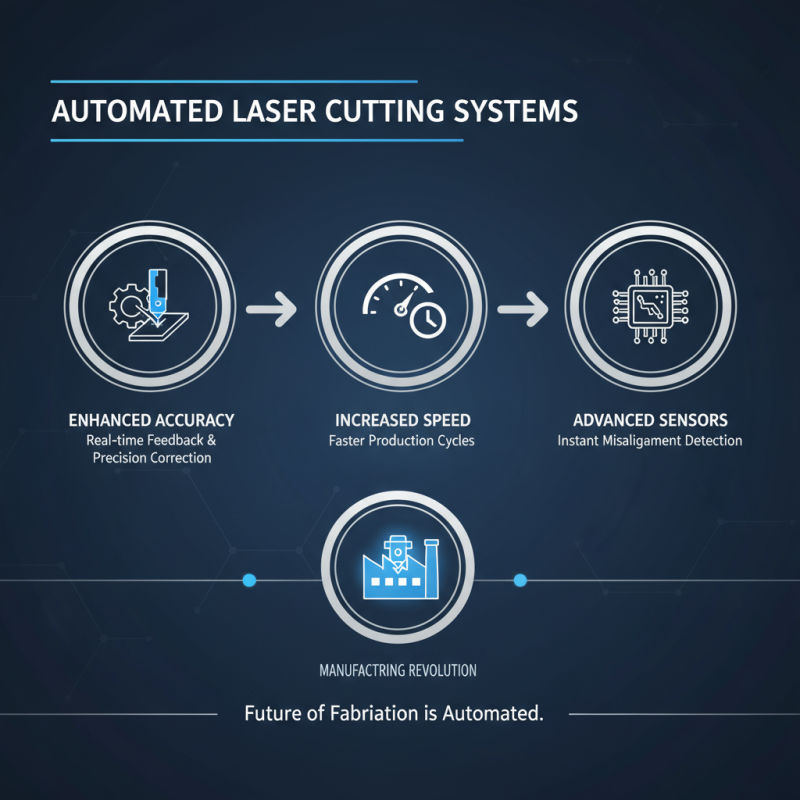
The integration of automation in laser cutting systems is revolutionizing the manufacturing landscape. Automated features enhance accuracy and speed, which are critical in today’s fast-paced industry. For instance, modern laser cutting machines often employ advanced sensors that provide real-time feedback. This ensures precision, as any misalignment is detected and corrected instantly.
Moreover, automation leads to improved efficiency. With minimal human intervention, machines can operate for extended periods, reducing downtime. For example, some systems now include automated material handling, which allows for seamless transitions between different tasks. However, this shift toward automation raises concerns about the need for skilled operators. Training programs must evolve to equip workers with the skills to manage these advanced systems.
Despite these advances, challenges remain. Some automated systems may be prone to technical glitches, causing unexpected interruptions. Furthermore, the reliance on automation could lead to oversight of quality control if not monitored properly. Therefore, while automation in laser cutting provides numerous benefits, companies must remain vigilant about maintaining standards and ensuring workforce readiness.
Future Trends in Laser Cutting Machine Design and Functionality
The future of laser cutting technology is poised for significant evolution. Innovations aim to enhance both precision and efficiency in various industries. Advanced software algorithms are emerging, optimizing cutting paths in real-time. These algorithms analyze material behavior, reducing waste while increasing speed. Lightweight materials require new cutting techniques, pushing the boundaries of traditional laser technology.
In addition, the integration of artificial intelligence is transforming machine operation. AI can predict and adjust settings based on the specific material being processed. Operators benefit from real-time feedback, improving overall precision. But reliance on technology can lead to a reduction in skilled craftsmanship. It's important for operators to maintain a balance between automation and manual oversight.
Furthermore, energy efficiency is becoming a priority. New designs aim to reduce power consumption while maintaining cutting quality. This trend responds to global sustainability demands. However, achieving the perfect balance between efficiency and performance presents challenges. Manufacturers must continuously refine their technology. Adjustments are often necessary as market demands shift and new materials emerge.