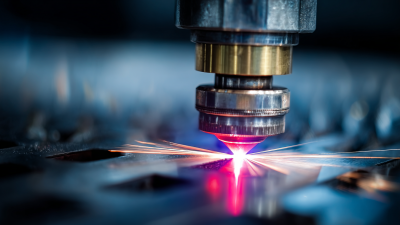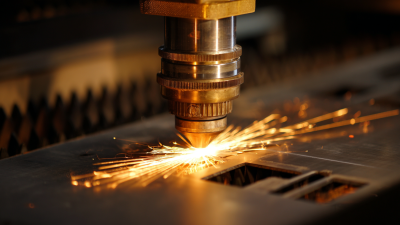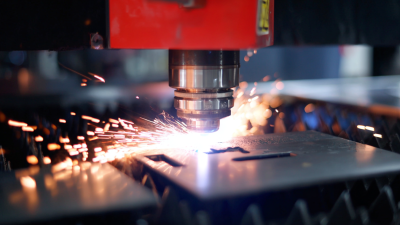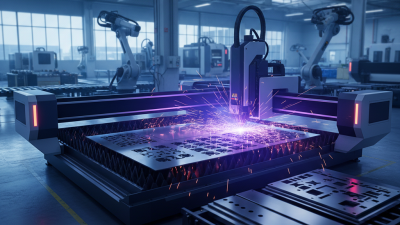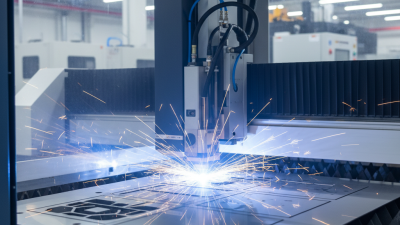
Metal Laser Cutting has transformed the manufacturing landscape. This advanced technology serves global buyers across various industries. By using focused laser beams, it allows for precise and efficient cutting of metal materials.
One of the major advantages of Metal Laser Cutting is its accuracy. It minimizes material waste, ensuring that every piece counts. The speed of this process is another significant benefit. Quick turnaround times help companies meet tight deadlines. Moreover, the versatility of laser cutting makes it suitable for diverse applications. From intricate designs to large-scale projects, the technology adapts well.
Yet, challenges persist. Understanding the initial investment in equipment can be daunting. Maintaining the precision of the machines requires technical expertise. Overall, the benefits often outweigh the obstacles, making Metal Laser Cutting a valuable option for modern manufacturers.
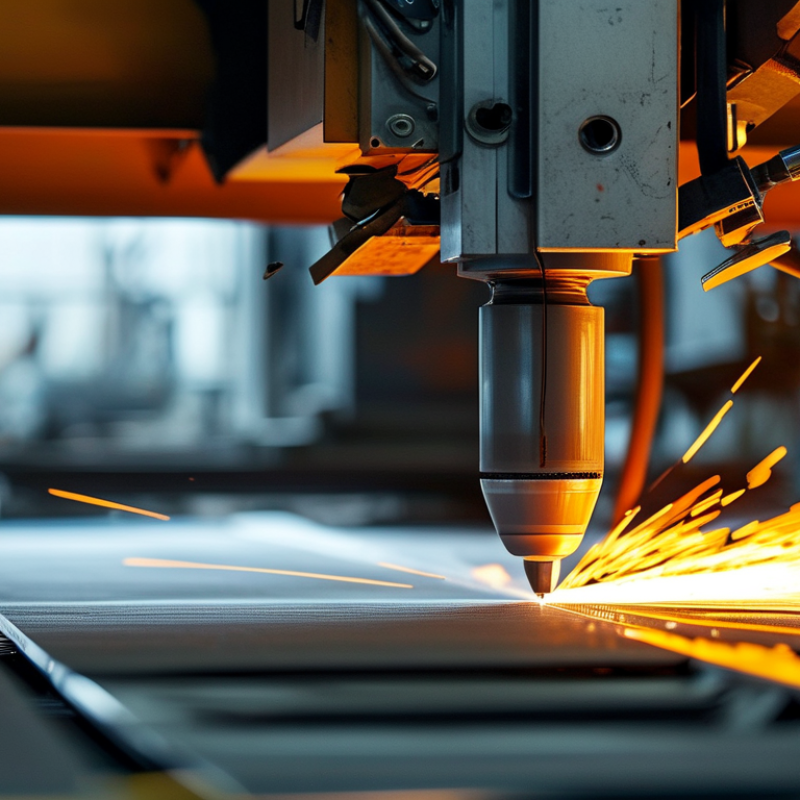
Precision and accuracy are vital in metal laser cutting. This technology achieves high-quality results with minimal material waste. It uses focused laser beams to cut metal sheets with exceptional detail. The process allows for complex shapes and intricate designs that traditional methods may struggle with.
Businesses benefit from reduced lead times thanks to faster processing speeds. However, some may find the initial investment in laser cutting equipment daunting. Yet, the long-term savings in material costs and enhanced production efficiency often outweigh these early obstacles. Precision cutting leads to more accurate fits for assembled products, reducing the need for adjustments later on.
Consistency is a significant advantage of laser cutting. Each piece produced maintains the same high standard, ensuring quality control. However, reliance on technology may limit creativity in some cases. It's essential for operators to balance machine capabilities with innovative design ideas. Ultimately, the goal is to harness precision while fostering creativity within the production process.
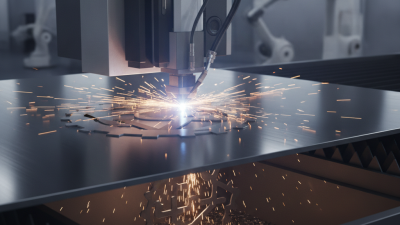
Metal laser cutting offers significant cost-effectiveness and efficiency for global buyers. This technology employs high-powered laser beams to cut materials with precision. By using laser cutting, manufacturers can achieve intricate designs while minimizing waste. The result is a reduced cost for both raw materials and operational expenses.
Efficiency in laser cutting comes from its speed and accuracy. Traditional methods require extensive setup time and manual intervention, but laser cutting automates these processes. This means quicker turnaround times for production. However, the initial investment in laser cutting technology can be a barrier for some businesses. It's essential to weigh this cost against long-term savings in labor and material.
Despite the advantages, not every job suits laser cutting. Certain materials or thicknesses may not yield optimal results. Additionally, the learning curve for operating this technology can present challenges. Businesses must regularly evaluate their processes to ensure they are making the most of laser cutting capabilities.
| Benefit | Description | Cost-Effectiveness | Efficiency |
|---|---|---|---|
| Precision Cutting | Allows for tight tolerances and intricate designs. | Reduces material waste, lowering production costs. | Quick setup and execution of cuts. |
| Versatility | Can cut through various types of metals. | Facilitates a broad range of projects, decreasing the need for multiple machines. | High-speed operation for different metal types. |
| Reduced Lead Times | Faster production cycle from design to delivery. | Increases customer satisfaction and repeat business. | Less downtime due to quick adjustments. |
| Minimal Heat Affected Zone | Lesser material distortion compared to traditional cutting methods. | Reduces the cost of secondary processes like welding. | Maintains quality and reduces rework. |
| Automation Capability | Easily integrates with automated systems. | Reduces labor costs while increasing output. | Streamlines operations for faster production. |
| High-Quality Finishes | Produces clean cuts with smooth edges. | Minimizes post-processing tasks, saving time and costs. | Reduces time spent on finishing and polishing. |
| Eco-Friendly | Less energy consumption compared to other methods. | Lower production emissions. | Contributes to sustainable manufacturing practices. |
| Scalability | Easily scales production volumes from small to large. | Allows for flexible pricing based on demand. | Efficiently manages large orders without downtime. |
| Enhanced Safety | Reduces risk of worker injuries compared to manual cutting. | Lower insurance and safety-related costs. | Promotes a safer working environment. |
| Innovative Technology | Incorporates advancements in technology. | Stays competitive in a fast-paced market. | Fosters continuous improvement and efficiency gains. |
Metal laser cutting has become a cornerstone of modern manufacturing due to its versatility. Industries such as automotive, aerospace, and construction significantly benefit from this technology. According to a recent market analysis, the global metal laser cutting market is expected to reach $5 billion by 2026. This rapid growth highlights the demand for precise and efficient metal processing.
The applications of laser cutting are vast. It can handle materials ranging from steel and aluminum to plastics. This versatility enables manufacturers to create intricate designs with minimal waste. The technology allows for complex shapes and detailed engravings that traditional cutting methods cannot achieve. Studies indicate that manufacturers using laser cutting can improve production efficiency by up to 30%. This efficiency is essential as industries strive to meet growing customer demands.
Yet, there are challenges. Not all materials are suitable for laser cutting, and thickness limits can affect performance. Operators need to be well-trained to ensure proper setup and maintenance. Errors can lead to costly mistakes and material waste. Hence, ongoing training and process optimization are crucial for maximizing the benefits of laser cutting while minimizing pitfalls.
Laser cutting has become a game-changer in industries around the globe. One significant advantage is its ability to minimize material waste. Traditional cutting methods often lead to excess scrap. In contrast, laser cutting utilizes precise technology. This means more accurate cuts and less leftover material. As a result, companies can save costs on both materials and disposal.
The environmental impact is also noteworthy. Reduced waste means fewer resources are extracted. Consequently, this method aligns with sustainability goals. However, it's essential to recognize that while laser cutting is efficient, not every application may benefit equally. Some materials still generate significant waste, highlighting the need for careful consideration. Balancing efficiency and sustainability remains a challenge, inviting ongoing reflection for industry leaders.
Metal laser cutting technology has revolutionized the manufacturing landscape, notably enhancing safety and working conditions within operations. Traditional cutting methods often expose workers to hazardous materials. In contrast, laser cutting reduces fumes and waste, leading to a cleaner workspace. According to a report from the Fabricators & Manufacturers Association, safety-related incidents in laser operations are 50% lower compared to traditional cutting methods.
Efficient laser systems are equipped with advanced safety features. They include automatic shut-off mechanisms and protective enclosures, minimizing the risk of accidents. Employees benefit from these enhancements, as it fosters a safer working environment. Companies have reported a 30% decrease in workplace injuries after implementing laser cutting technologies.
Tips for optimizing safety in laser cutting: Regular training sessions are crucial. Ensure that all staff know how to operate equipment safely. Establish clear protocols for maintenance to prevent equipment failure. Furthermore, consider investing in personal protective equipment (PPE) tailored for laser operations. Simple steps can improve safety significantly, contributing to a more reliable and efficient workplace. Addressing safety concerns should always be a priority; it's essential to continuously evaluate and refine safety practices.