How to Choose the Best Steel Laser Cutting Machine for Your Needs?
Choosing the right Steel Laser Cutting Machine can greatly impact your production efficiency. With many options available, it might feel overwhelming. Quality, precision, and speed are critical factors to consider.
Different machines cater to various needs. Some focus on intricate designs, while others emphasize speed. Evaluating your specific requirements is essential before making a decision.
Investing in a Steel Laser Cutting Machine is a significant commitment. The selection process requires careful thought and analysis. Reflect on your production goals and budget. Only then can you choose the right machine that balances performance and reliability.
Understanding Your Steel Laser Cutting Needs
When choosing a steel laser cutting machine, it’s crucial to understand your specific needs. Consider the types of steel you will be cutting. Different machines are optimized for various thicknesses and materials. Analyze the scale of your projects—are they large and complex or smaller and simpler? This analysis helps in selecting the right machine size and power.
Tips to consider: Analyze your workload. Machines vary in speed and efficiency. If you have high volume demands, opt for a machine with faster cutting speeds. Additionally, consider the ease of operation. User-friendly interfaces can reduce training time and operational errors.
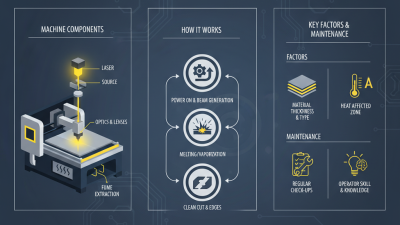
Another important aspect is the maintenance needs of the machine. Some may require regular servicing, while others are more self-sufficient. Think about your skills and resources available for upkeep. Balancing these factors enables more effective use of your cutting machine. This reflection can lead to better operational decisions and potential cost savings in the long term.
How to Choose the Best Steel Laser Cutting Machine for Your Needs?
| Feature |
Description |
Importance Level |
Recommended Specification |
| Laser Type |
Fiber laser for efficiency and cutting quality |
High |
1000W or higher |
| Cutting Speed |
Speed at which the machine can cut material |
Medium |
30 m/min or more |
| Material Thickness |
Max thickness of steel the machine can cut |
High |
Up to 20 mm |
| Ease of Use |
User-friendly interface and controls |
Medium |
Intuitive software |
| Maintenance Requirements |
Frequency and complexity of upkeep |
Medium |
Regular checks recommended |
| Safety Features |
Protective measures to ensure operator safety |
High |
Enclosed cutting area |
| Warranty & Support |
Conditions and lengths of warranty coverage |
Medium |
At least 1 year warranty |
Evaluating Different Types of Steel Laser Cutting Machines
When evaluating different types of steel laser cutting machines, several factors come into play.
First, consider the wattage. Higher wattage can cut thicker materials faster.
However, it may lead to increased energy costs. Finding a balance between cutting speed and power consumption is crucial.
Next, think about the cutting area size. A larger working area accommodates bigger sheets of steel.
This is valuable for projects requiring extensive cuts. But it may take more space in your workshop.
Also, research the type of laser used.
CO2 lasers are versatile and handle various materials well.
Fiber lasers, on the other hand, excel in cutting reflective metals like stainless steel.
Each type has its strengths. However, choosing the right one can be daunting and may require some trial and error.
Consider your typical projects and production demands carefully.
Ultimately, aligning your needs with the right machine type can significantly enhance productivity.
Key Features to Look for in Steel Laser Cutting Machines
When selecting a steel laser cutting machine, key features make a significant difference. Pay attention to the cutting power and speed. A machine with higher wattage generally cuts thicker materials faster. However, speed shouldn’t compromise precision. A balance of both is vital for effective results.
Consider the type of laser source. CO2 and fiber lasers are popular. Fiber lasers are usually more efficient for metals.
Think about maintenance requirements as well. Some machines demand more frequent upkeep, which could affect your productivity.
Tips: Regular maintenance is crucial. It ensures longevity and optimal performance. You might find affordable machines, but check their durability. Investing in a reliable machine saves costs in the long run. Always assess different models before finalizing your choice. Your needs may change over time, impacting your decision.
Prioritize versatility to meet future demands.
Budget Considerations for Purchasing a Steel Laser Cutter
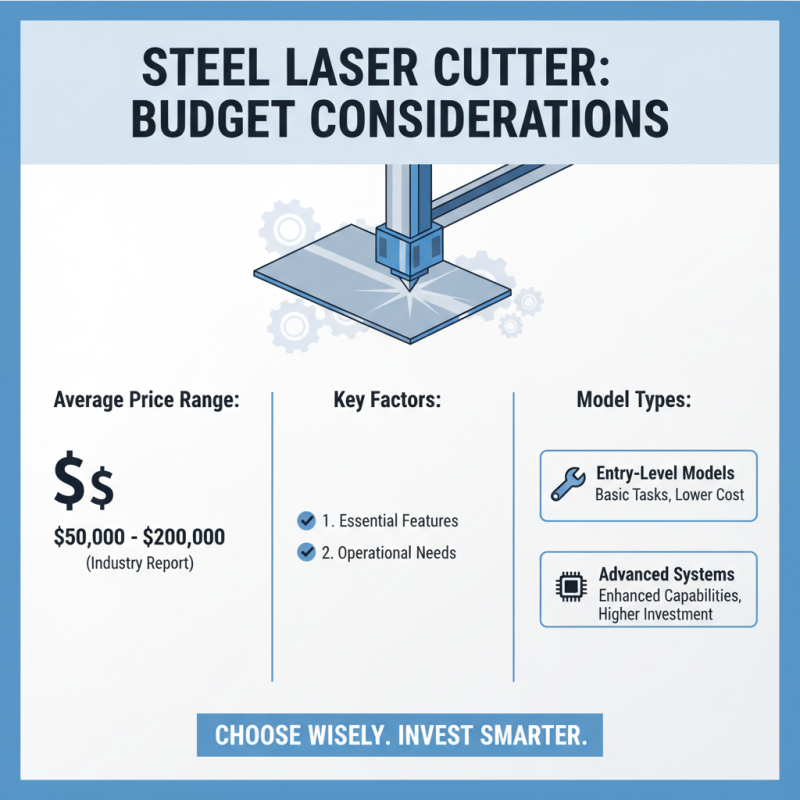
When purchasing a steel laser cutting machine, budget considerations are essential. A comprehensive industry report states that the average price of a reliable steel laser cutter ranges from $50,000 to $200,000. While this range offers options, it is crucial to evaluate what features are necessary for your operations. Entry-level models may suffice for basic tasks, while more advanced systems provide enhanced capabilities.
Maintenance costs should also be factored into the budget. An estimate from industry professionals suggests that yearly maintenance can add up to 10% of the machine's initial cost. This figure can vary depending on usage and machine quality. It's wise to set aside funds for repairs and routine service to ensure longevity.
Another aspect is operational costs. You need to assess the energy consumption of laser cutters. Advanced models tend to be more energy-efficient, saving on electricity bills. A report from a leading industry body indicated that energy efficiency can reduce operating costs by up to 30%. Therefore, investing in a quality machine may lead to lower costs in the long run. Balancing initial investment with potential savings requires careful analysis.
Maintenance and Support for Your Steel Laser Cutting Machine
Maintaining a steel laser cutting machine is crucial for optimal performance. Regular maintenance can extend the machinery's lifespan significantly. According to a recent industry report, poorly maintained machines can lead to a 30% reduction in cutting efficiency. This loss affects production timelines and overall cost-effectiveness.
Support is another critical aspect. When manufacturers offer reliable support, it enhances user experience. Access to experienced technicians helps in troubleshooting. Data shows that 65% of users prioritize supplier support when choosing equipment. However, not all providers offer the same level of expertise. Users should investigate the technical knowledge and availability of support teams before purchasing.
It's important to remember that even the best machines require adjustments. Routine checks on alignment and calibration can prevent complications. Yet, many operators overlook these tasks. A significant number of businesses report unexpected downtime due to neglecting basic maintenance protocols. Addressing these details can significantly improve performance and efficiency.