2026 How to Choose the Best Fiber Laser Cutting Machine?
In the rapidly evolving industry of manufacturing, the choice of a Fiber Laser Cutting Machine is crucial. Experts emphasize its importance for accuracy and efficiency. According to Dr. Emily Chen, a leading authority in laser technology, "Selecting the right Fiber Laser Cutting Machine can drastically impact production quality." This highlights the need for informed decision-making.
When considering a Fiber Laser Cutting Machine, various factors come into play. These include power levels, cutting speed, and material compatibility. Each aspect significantly affects operational goals. However, buyers often overlook comprehensive assessments of their production needs. This oversight can lead to suboptimal choices, affecting output and profitability.
Moreover, understanding the latest technologies is essential. Some machines may have advanced features, yet they might not fit every operation. Therefore, reflection on specific requirements is necessary. Evaluating both current and future production demands will ensure the best investment in a Fiber Laser Cutting Machine.
Understanding Fiber Laser Technology and Its Advantages in Cutting
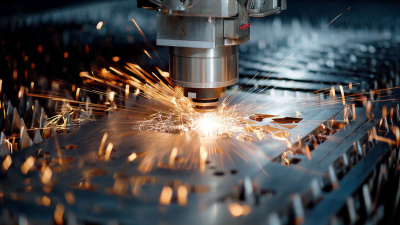
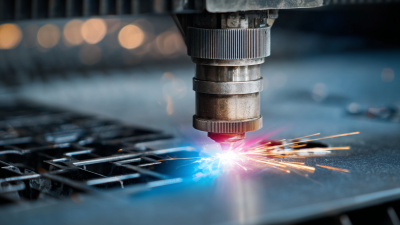
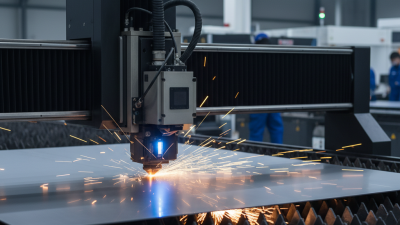
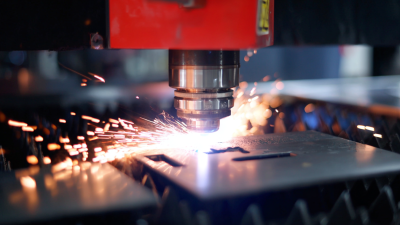
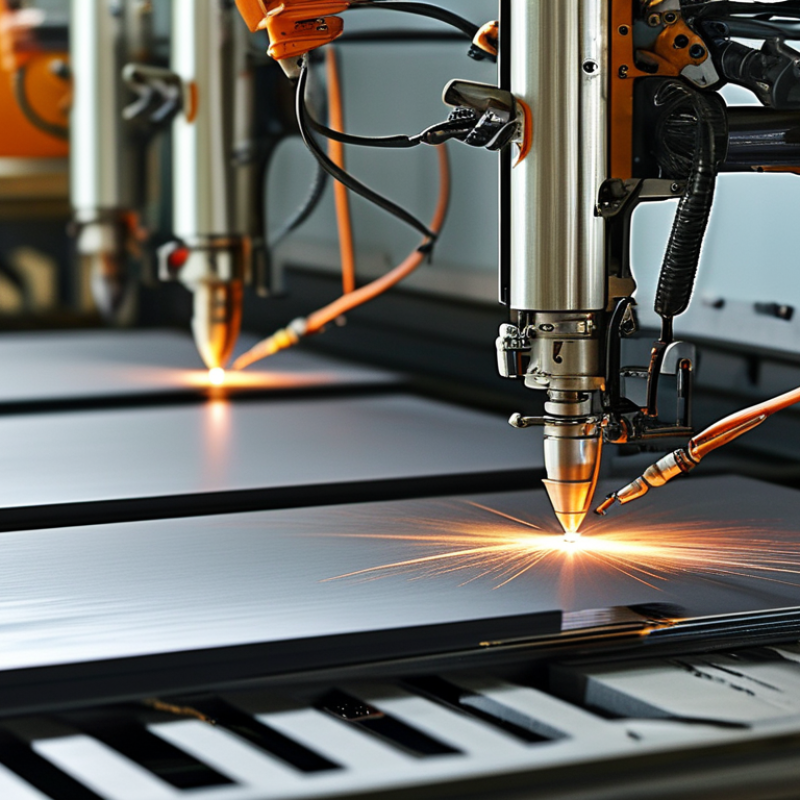
Fiber laser technology has transformed the cutting industry. It offers remarkable precision and speed. This method uses a solid-state laser that produces a concentrated beam of light. The energy emitted is efficient, making it ideal for multiple materials. From metals to plastics, fiber lasers provide clean cuts and reduce material waste. The versatility of this technology helps businesses adapt to various applications easily.
Tips for selecting the right fiber laser cutting machine include evaluating your cutting needs. Consider the thickness of the materials you often work with. Higher wattage may be necessary for thicker materials. Additionally, assess your work environment's size constraints. Some machines require ample space and ventilation for optimal operation.
Another crucial aspect is maintenance. Routine checks ensure longevity and consistent performance of the machine. Be aware that improper maintenance may lead to costly repairs down the line. Also, factor in the training required for your staff. Adequate training minimizes operational errors and enhances safety. This investment in time pays off over the long run.
Key Factors to Consider When Choosing Fiber Laser Cutting Machines
When selecting a fiber laser cutting machine, several key factors play a significant role in decision-making. Power is crucial; it influences cutting speed and material thickness capability. A higher wattage machine can cut thicker materials more quickly, but it’s essential to analyze your specific needs and budget.
Another factor is the type of materials you'll work with. Different machines have varying abilities regarding metals, plastics, and other materials. Compatibility with your intended materials is critical for efficiency and output quality. Many users overlook the importance of cooling systems. A robust cooling system ensures consistent performance and prolongs the machine's lifespan.
It's also wise to consider the software and usability features of the machine. User-friendly interfaces can significantly affect productivity and reduce operator error. While advanced technology is appealing, assess whether your team has the skills to operate complex systems. Investing in a fiber laser cutting machine is significant, so considering these elements will help you make an informed choice.
Comparative Analysis of Fiber Laser Cutting Machines in 2026
In 2026, the market for fiber laser cutting machines is more diverse than ever. Businesses are inundated with options, making comparisons crucial. Whether it's power output, cutting speed, or energy efficiency, the specifications can vary greatly. A machine that excels in one area might fall short in another, creating difficult choices for operators.
One important factor is the thickness of materials to be cut. Some machines handle thicker materials well while others are more efficient with thin sheets. It's essential to assess the types of materials your projects require. This decision impacts not only operational costs but also the quality of the final product. Another key aspect is after-sales support and service reputation. A reliable manufacturer should provide readily available technical support.
Current customers voice mixed reviews about performance longevity and upkeep. Reliability is always in question, particularly when machines run on tight schedules. The best way to ensure lasting performance is thorough research on user experiences. Comparing user feedback can reveal hidden strengths and weaknesses. Take your time when assessing options; your investment's future will depend on it.
2026 Comparative Analysis of Fiber Laser Cutting Machines
Evaluating Cost Efficiency and ROI of Fiber Laser Systems
Choosing a fiber laser cutting machine requires careful consideration of cost efficiency and return on investment (ROI). When examining these systems, think about their initial cost versus long-term savings. A machine's operational efficiency can significantly affect overall costs. In some cases, a cheaper model may lead to higher operating expenses. This is often due to increased maintenance needs or lower energy efficiency.
Tips for evaluation: Look for machines with energy-saving features. Efficient systems often have a lower power consumption rate. Additionally, research the service and support offered by manufacturers. Reliable customer support can reduce downtime, ultimately saving costs. It's essential to factor in the total cost of ownership, including maintenance and replacement parts. An initial investment might seem steep, but long-term savings can justify the price.
Testing performance is vital before making a purchase. Consider running a prototype for your specific materials. Not every machine handles every material the same way. Evaluate speed, precision, and the quality of the cut. Don’t overlook the importance of employee training for optimal machine use. Well-trained staff can better utilize the technology, enhancing productivity. Reflection on these aspects will lead to a more informed, strategic decision.
Latest Industry Trends and Innovations in Fiber Laser Cutting Technology
Choosing the right fiber laser cutting machine is crucial in today's fast-paced manufacturing environment. As technology evolves, new trends emerge that can significantly enhance productivity and efficiency. Advanced features, such as automated loading systems and real-time monitoring, are becoming standard. These innovations help minimize downtime and maximize output.
While selecting a machine, consider the material types you will be cutting. Different machines excel with specific materials, like metals or plastics. Performance varies based on the machine's wattage as well. Always evaluate whether higher wattage justifies the additional investment. It's essential to weigh these options carefully.
Tips for making a wise choice: Research the latest technology innovations, as they can offer better precision and speed. Attend industry expos to see machines in action. Ask for demonstrations and user feedback. Additionally, keep an eye on energy efficiency standards. Machines that consume less energy will save costs over time. Investing in a machine that offers a balance of features and performance can lead to long-term success.