How to Choose the Right Metal Laser Cutting Machine for Your Needs?
In the competitive world of manufacturing, choosing the right metal laser cutting machine is crucial. According to industry expert John Smith, "Selecting the wrong machine can lead to inefficiencies and increased costs." Understanding your specific needs can guide you in making the right choice.
There are various models available, each designed for different applications. Some focus on precision, while others cater to speed and efficiency. For example, high-speed machines often sacrifice detail for rapid output. Striking a balance between speed and quality is essential.
Moreover, the budget can complicate the decision-making process. It's tempting to opt for the cheapest model, but this can lead to frustration later. Think about the long-term implications and maintenance needs of your purchase. Investing in a reliable metal laser cutting machine will pay off in the end. Consider these factors carefully before making your choice.
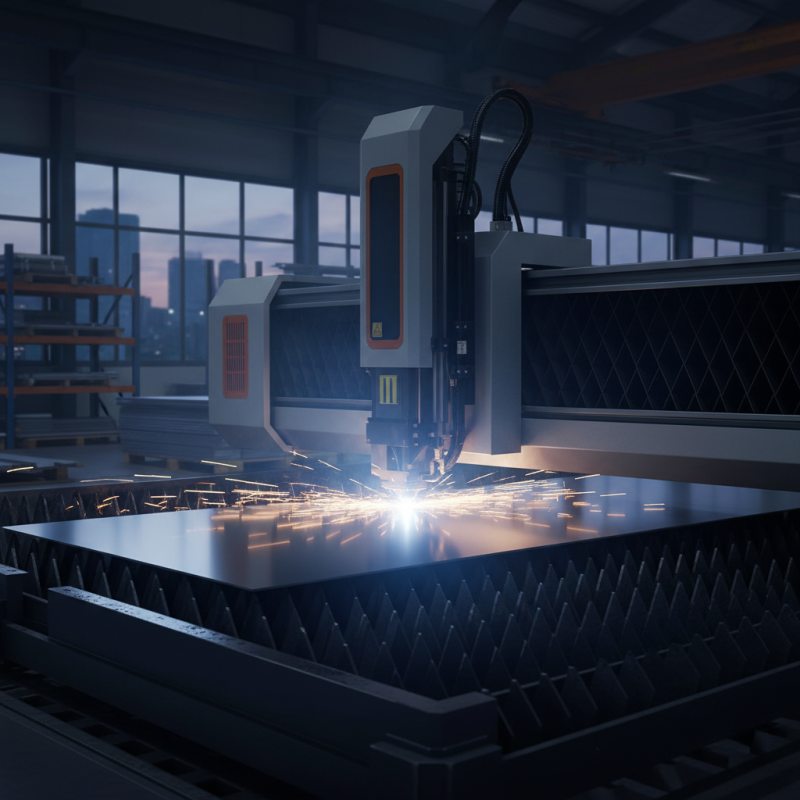
Understanding Different Types of Metal Laser Cutting Machines
When choosing a metal laser cutting machine, understanding the types available is crucial. There are various kinds, including fiber, CO2, and diode lasers. Each type has specific strengths and weaknesses. For example, fiber lasers excel at cutting thin metals quickly. They are also efficient and energy-saving. CO2 lasers, on the other hand, are versatile and suitable for cutting thicker materials. However, they may require more maintenance over time.
Tips: Assess your material thickness before deciding. If you work with different metals, a CO2 laser might offer more flexibility. Also, consider the speed of production. A faster machine can enhance productivity but may come with a higher price tag.
It's important to think about the future needs of your business. Technology is always advancing. A machine that meets your current needs may soon feel inadequate. Look for options with upgradeability. Interchangeable nozzles could save you time and money down the line. Always weigh the benefits against potential limitations. Instant fixes might seem appealing but could lead to longer-term challenges.
Metal Laser Cutting Machine Types Comparison
This chart compares the cutting speeds of different types of metal laser cutting machines. CO2 lasers are optimal for thicker materials, while fiber lasers offer faster speeds for thin metal cuts.
Key Features to Consider When Selecting a Metal Laser Cutter
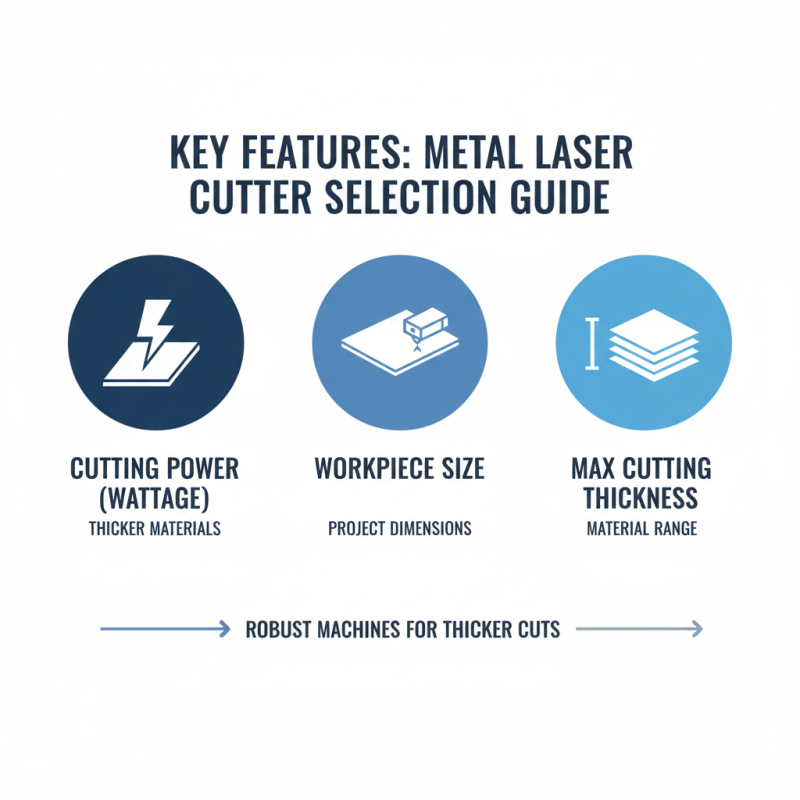
When selecting a metal laser cutter, key features should lead your decision. The cutting power is crucial. Machines with higher wattage can handle thicker materials. Consider the workpiece size as well. A compact machine might limit your projects. Check the maximum cutting thickness. This varies significantly between models. Often, laser cutters excel at thinner materials, but thicker cuts may require robust machines.
Another important aspect is precision. Look for machines that offer high resolution. This affects the finishing quality of your parts. Speed is also vital. A faster machine can improve production times. However, speed should not compromise quality. Some machines may operate quickly but yield rough edges. Maintenance might be overlooked too. Regular upkeep ensures longevity. Reflect on your budget and operating costs. Initial investment is one thing, but long-term expenses matter. Balancing these features can be challenging but necessary for informed choices.
Assessing Your Specific Cutting Requirements and Material Types
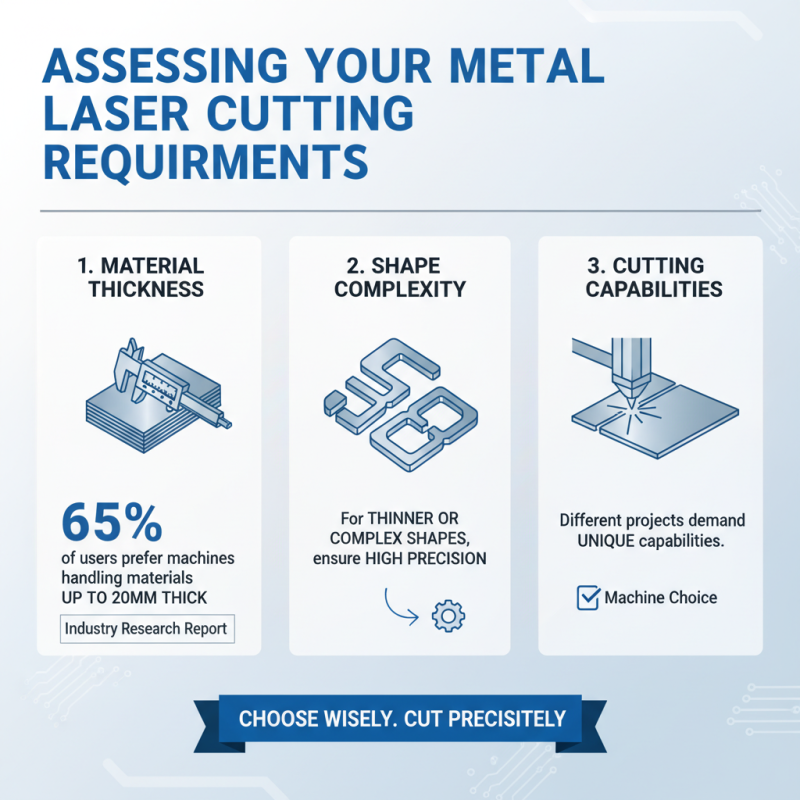
When choosing a metal laser cutting machine, assessing your specific cutting requirements is vital. Different projects demand unique cutting capabilities. For example, thickness affects the choice of machine. A report by Industry Research indicates that 65% of users prefer machines that handle materials up to 20mm thick effectively. If you often work with thinner or complex shapes, ensure your machine offers high precision.
Material types also play a significant role in selection. Stainless steel, aluminum, and mild steel each require different laser specifications. Data shows that stainless steel, for instance, requires higher power settings to achieve clean cuts. Consider the average cutting speed and power adjustments needed for each material. Many machines struggle with varying thicknesses, leading to inconsistent results.
It’s essential to analyze your workflow. If you frequently switch between materials, you may face challenges. Some machines are less adaptable and may not provide quality cuts across different types. Others may excel in one area but fall short elsewhere. Balancing between versatility and specific requirements can be a tricky endeavor, necessitating careful evaluation and potential trial runs.
Budgeting for a Metal Laser Cutting Machine: Costs and Financing Options
Budgeting for a metal laser cutting machine requires careful consideration. Costs can vary widely based on features and capabilities. A basic machine may start at a few thousand dollars. More advanced options can cost tens of thousands.
Think about your production needs before making a decision.
Financing options can help manage these expenses. Many companies offer payment plans. Leasing machines can also be a smart choice. It allows you to upgrade without a hefty upfront cost.
Always read the fine print. Some plans could have hidden fees.
Be mindful of maintenance costs too. Regular upkeep is essential to keep machines running efficiently. Unexpected repairs can strain a budget.
Do thorough research on what you can afford.
Don’t forget operational costs. Power use and material expenses can add up quickly. Understanding these factors is crucial for long-term success.
Maintenance and Support: Ensuring Longevity of Your Laser Cutter
Regular maintenance is vital for the longevity of a metal laser cutting machine. Neglecting this can lead to reduced performance and increased costs. According to industry reports, over 30% of machinery failures are attributed to poor maintenance practices. Simple tasks like cleaning lenses and checking mirrors can significantly enhance cutting quality.
Support is equally important. Many users overlook the value of training and technical assistance. Industry studies indicate that facilities with regular training sessions report a 20% better uptime. Operators equipped with knowledge can troubleshoot issues more effectively. Having access to support can also help in understanding the machine's capabilities and limitations.
Inadequate maintenance can result in unexpected downtime. Operators sometimes skip essential checks. A report highlighted that businesses losing 10% in productivity often face issues stemming from overlooked maintenance.
Ensuring proper upkeep requires a discipline that can be easy to overlook amidst busy schedules. Prioritizing both maintenance and support is essential for maintaining peak performance and extending the life of laser cutting machinery.