How to Choose the Best Laser Cutting Machine for Your Needs?
Choosing the right Laser Cutting Machine can significantly impact your production efficiency and product quality. According to a recent market analysis by Fortune Business Insights, the global laser cutting machine market is projected to reach $5.1 billion by 2027, reflecting a compound annual growth rate (CAGR) of 5.8%. This growth suggests an increasing reliance on this technology across various industries, from aerospace to jewelry manufacturing.
Understanding your specific needs is crucial in this evolving landscape. Different applications may require distinct features in a laser cutting machine, such as cutting speed, precision, and material compatibility. For instance, metal fabrication shops may prioritize higher power and speed, while artists may seek machines that excel at intricate designs on softer materials. However, not every machine will meet every requirement, highlighting the challenge of making the best choice.
Consideration must also be given to the machine's operational cost and maintenance needs. While some machines offer advanced features, they may be more expensive to operate. Investing in a reliable brand known for durability could save costs in the long run. Ultimately, evaluating options carefully is essential, as the wrong decision could lead to inefficiencies and hinder growth in your operations.
Consider Your Cutting Material: Metals, Plastics, and Wood
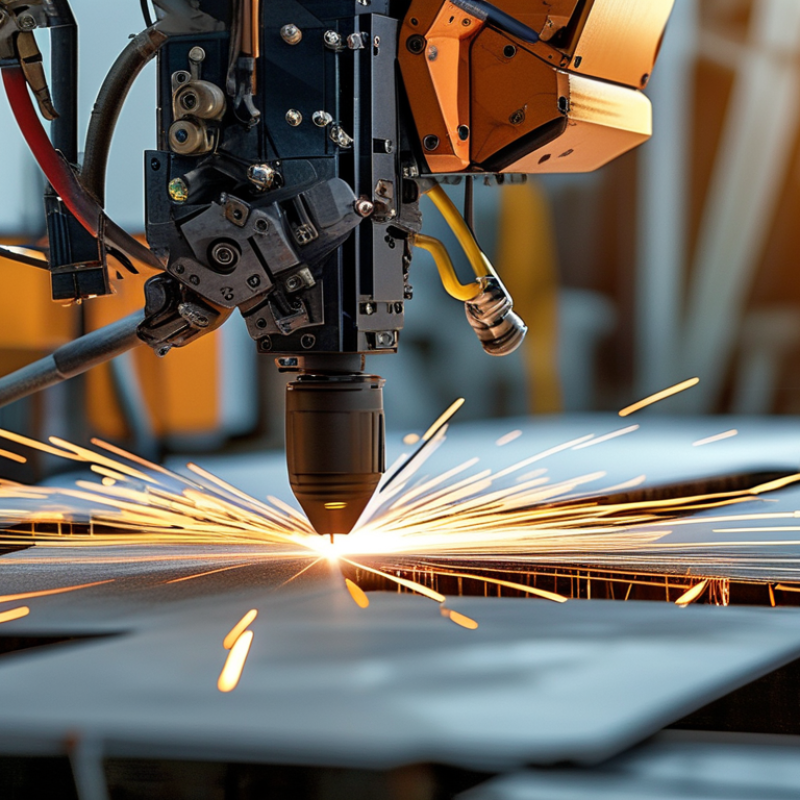
When selecting a laser cutting machine, understanding your cutting material is crucial. Different materials require varying levels of precision and power. For metals, like steel or aluminum, a fiber laser is often more efficient. Reports indicate that fiber lasers can improve cutting speeds by up to 30% compared to CO2 lasers, particularly for thicker materials.
Plastics present unique challenges. They can melt or warp if the laser's settings aren't optimal. A CO2 laser is generally recommended for acrylic and PVC, providing clean edges. Research shows that using the correct wavelength can reduce material damage by 20%. Don't overlook the importance of testing settings on sample pieces.
When working with wood, consider the density and type of wood. Certain hardwoods may require different approaches compared to softer varieties. It’s essential to adjust the laser's speed and power accordingly. Overheating can lead to charred edges, affecting the final product's quality.
Tip 1: Always perform test cuts to gauge settings before starting your project.
Tip 2: Keep maintenance in mind. Regular checks ensure your machine runs effectively.
Remember, the material dictates the machine's capabilities and settings. Knowledge and preparation can significantly impact your results.
Evaluate Required Cutting Thickness: Standard Capacities and Limits
When selecting a laser cutting machine, understanding the required cutting thickness is crucial. Typical materials like acrylic or wood often require standard capacities that machines can handle. Most machines can cut through materials up to 25 mm thick, but this can vary based on the type of laser and its power settings. For instance, CO2 lasers are commonly used for materials like plastics and wood, while fiber lasers excel with metals. A report from the Laser Institute of America indicates that laser cutting machines can achieve high precision, with tolerances reaching as fine as ±0.1 mm, making them ideal for intricate designs.
In practice, you may encounter limits with certain materials. Aluminum, for example, is tricky; it requires high-powered lasers for thicker cuts. Some facilities report challenges in cutting anything thicker than 10 mm with a standard machine. Your project's specifications will dictate the best machine for your needs. Evaluate not just the cutting thickness but also the material composition. Different materials behave differently under heat, which impacts cut quality.
Be aware of the machine’s capabilities and limitations. Oftentimes, businesses find themselves investing in machines that do not meet evolving requirements. This misalignment can lead to increased costs and inefficiencies. Reflecting on operational needs is vital. Prioritizing versatility in cutting thickness and material types can help adapt to future demands in production.
Analyze Laser Power: Wattage Needs for Different Applications
When selecting a laser cutting machine, one crucial aspect to consider is laser power, represented by wattage. The wattage directly influences the cutting speed and material thickness you can handle. For thin materials, like paper or fabric, a machine with 30 to 50 watts may suffice. However, if you aim to cut thicker materials, such as acrylic or wood, you will need at least 80 to 150 watts. Choosing the right wattage ensures efficiency and precision in your projects.
Different applications demand different power levels. For intricate designs on delicate materials, a lower wattage might be ideal to prevent burning or warping. Yet, if you often work with robust materials, investing in a higher wattage machine could save time and improve results. It’s essential to analyze your typical projects and material types. A higher power rating can sometimes lead to mistakes if not carefully managed.
Reflecting on your specific needs is vital. Often, users overlook future projects that may require different wattages. Regularly reassessing your capabilities can lead to better decisions. Investing time in understanding wattage implications will enhance craftsmanship. Balancing power and precision ensures you get the best of both worlds in your laser cutting endeavors.
Assess Technology Types: CO2 vs Fiber Lasers in Precision and Speed
When choosing a laser cutting machine, understanding the types of technology available is crucial. CO2 and fiber lasers are the most common options. CO2 lasers are versatile and effective for cutting non-metals. They excel in materials like wood, plastic, and textiles. On the other hand, fiber lasers are perfect for metals. They are faster and offer higher precision. This difference can greatly affect your productivity and quality.
Speed is another essential factor. Fiber lasers generally operate at higher speeds than CO2 lasers. This can lead to significant time savings in production. However, speed isn't everything. The machine's setup, maintenance, and operational costs must also be considered. CO2 lasers can require more maintenance due to tube replacements. That adds to their overall expense over time.
Precision is key in many applications. Fiber lasers offer superior accuracy, particularly in intricate designs. CO2 lasers can sometimes struggle with detailed cuts. Finding the right balance between speed and precision is important. It’s wise to evaluate your specific needs. Reflect on the materials you'll be using and the desired outcomes. Each technology has its strengths and weaknesses. Understanding these will help you make an informed decision.
Review Budget and Maintenance Costs: Initial Investment vs Long-term Use
When considering a laser cutting machine, it’s vital to weigh both budget and maintenance costs. The initial investment can be significant. Cheaper machines may seem appealing but can lead to higher long-term expenses due to frequent repairs and maintenance needs. It’s important to analyze your production volume. A machine that works seamlessly can save you money in the long run.
Maintenance costs can sneak up on users. Regular servicing is essential to keep machines running efficiently. These costs often vary based on the type and frequency of use. Some machines require specialized parts, which can be expensive. Understand what you’re getting into before making a purchase.
You also need to consider the learning curve associated with more advanced machines. Sometimes, the more complicated the machine, the greater the maintenance costs. Investing time in research can lead to better choices. Look for user feedback on maintenance experiences. This can provide insight that raw specifications cannot. Making informed decisions now can prevent frustrations and costs later on.