How to Choose the Best CNC Laser Cutting Machine for Your Business?
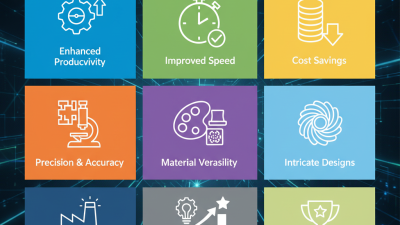
Selecting the right CNC Laser Cutting Machine is crucial for any business involved in precision cutting. The market offers various models, and each has unique features. Understanding these features is essential for making an informed choice. A quality machine can enhance productivity and improve the quality of the end product.
In recent years, CNC laser technology has advanced significantly. Businesses now have access to machines that provide better speed and accuracy. These enhancements can lead to increased competitiveness in a demanding market. However, it’s important to reflect on your specific needs before investing. Consider the materials you will cut and the complexity of your projects.
Investing in a CNC Laser Cutting Machine is not a trivial decision. The initial cost can be high, and ongoing maintenance is necessary. Businesses may overlook these aspects, leading to unexpected challenges. Therefore, thorough research and reflection are vital. Make sure to weigh the pros and cons carefully, ensuring the chosen machine aligns with your operational goals.
Understanding CNC Laser Cutting Technology
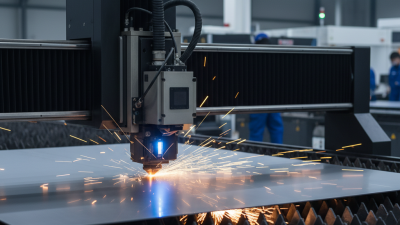
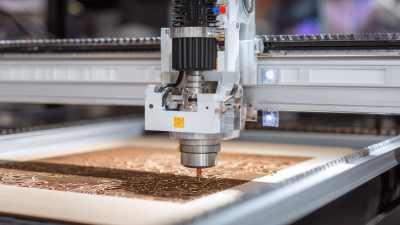
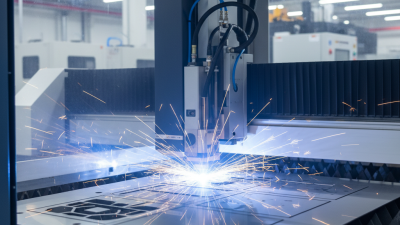
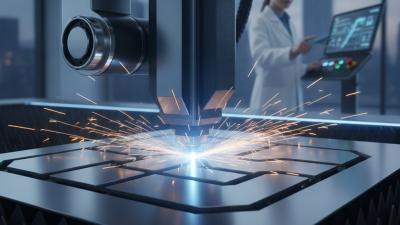
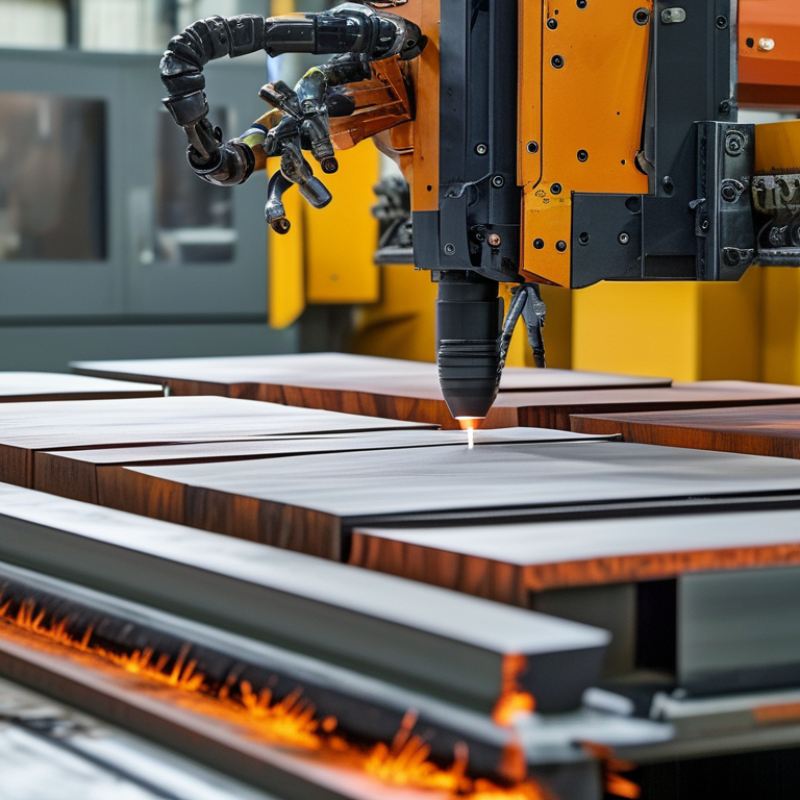
CNC laser cutting technology has transformed the way industries design and manufacture products. This precise method utilizes a computer-controlled laser to cut materials like metal, wood, and acrylic. The high precision of laser cutting allows for intricate designs that traditional cutting methods cannot achieve. This technology is fast and efficient, greatly reducing production time.
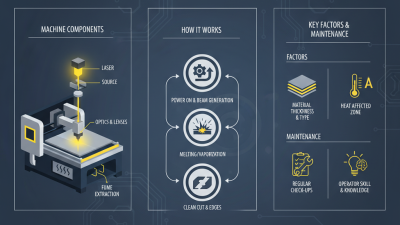
Understanding how this technology works is crucial. The process involves directing the laser beam through a lens onto the material. The focused energy melts or vaporizes the material, leaving clean edges. However, not all materials react the same way to laser cutting. Factors such as thickness, type of material, and quality of the laser can significantly impact the results. A miscalculation can lead to imperfections, which may necessitate rework and added costs.
Investing in CNC laser cutting requires thorough consideration. Different machines possess varying strengths and weaknesses. High speeds can lead to rough edges, while lower speeds may ensure better detail. It's essential to find a balance between speed and quality. Regular maintenance is also necessary to sustain performance over time. Understanding these nuances can help your business make informed decisions when selecting the right machine.
How to Choose the Best CNC Laser Cutting Machine for Your Business? - Understanding CNC Laser Cutting Technology
| Machine Type |
Laser Power (Watts) |
Max Cutting Thickness (mm) |
Cutting Speed (m/min) |
Material Compatibility |
Control System |
Price Range (USD) |
| Fiber Laser Cutter |
1000 - 2000 |
10 |
20 |
Metal, Steel, Aluminum |
CNC Controller |
$10,000 - $50,000 |
| CO2 Laser Cutter |
40 - 100 |
20 |
10 |
Wood, Acrylic, Fabric |
DSP Controller |
$5,000 - $30,000 |
| Stencil Laser Cutter |
300 - 600 |
5 |
15 |
Paper, Cardboard |
PLC Controller |
$3,000 - $15,000 |
| Multi-Purpose Laser Cutter |
500 - 1000 |
8 |
12 |
Mixed Materials |
PC Controller |
$8,000 - $40,000 |
Identifying Your Business Needs and Requirements
When selecting a CNC laser cutting machine, understanding your business needs is crucial. Different industries require different features. Consider the materials you plan to cut. Some machines excel with metals, while others are better for wood or acrylic.
A detailed assessment of your projects will guide your decision. Think about the size of the parts you'll cut. Larger pieces may require a machine with a bigger bed. Remember, a compact machine might save space, but it can limit your capabilities.
**Tip:** Evaluate your workflow. If you're aiming for high production rates, choose a laser cutter designed for speed and precision.
Also, consider your technical skills. Some machines require extensive training. If your team lacks experience, opt for user-friendly equipment.
**Tip:** Look for support and training options. Not all vendors provide comprehensive training, so research this aspect carefully.
Your budget is another necessary analysis. High-end machines offer advanced features but may not fit every business model. Reflect on your resources to avoid overspending on unnecessary features.
Evaluating Key Features of CNC Laser Cutting Machines
When selecting a CNC laser cutting machine, understanding key features is crucial. The wattage of the laser directly affects cutting speed and material thickness. Typically, higher wattage results in faster cutting. However, this increase in power may not always be necessary. If your business primarily handles thin materials, a lower wattage machine might suffice. It's essential to look at your specific needs before making a decision.
Another important feature is the bed size. A larger bed allows for cutting multiple pieces simultaneously, boosting productivity. However, larger machines can occupy significant floor space and may require larger installations. Assess if your workshop has the capacity for such a setup. Also, consider the ease of software integration. The machine should be compatible with your existing systems to avoid workflow interruptions, a common issue when upgrading equipment.
Lastly, the quality of the optics and lenses can significantly impact performance. High-quality optics improve beam focus and consistency. Nonetheless, the maintenance of these parts can be demanding and expensive. Reflecting on these factors will promote a more informed selection process. Balancing these aspects can lead to optimal production results.
Comparison of Key Features in CNC Laser Cutting Machines
Comparing Costs and Budget Considerations
When considering the best CNC laser cutting machine for your business, cost plays a crucial role. Various factors influence the price of these machines. Initial investment, operational costs, and maintenance fees should all be closely examined. A high-quality machine might cost more upfront but may save money in the long run through efficiency and durability.
Different budget tiers exist for CNC laser cutters. Entry-level models can be appealing for small businesses. However, they may lack advanced features. It's vital to assess your production needs. Investing in a higher-end model can be daunting. Yet, it may offer better precision and versatility. The risk here involves overestimating your requirements. Reflecting on your actual output will help refine your choice.
Consider potential hidden costs, such as software and training. These expenses can significantly impact your overall budget. Thorough research is necessary. Gathering quotes and comparing features can help you make informed decisions. Understanding the total cost of ownership is essential. This will ensure your CNC laser cutter is a valuable asset to your operations.
Researching Manufacturers and Customer Support Options
When choosing a CNC laser cutting machine, researching manufacturers is crucial. Look for companies with a strong reputation in the industry. They should have years of experience and expertise. Customer reviews can offer insights into their reliability. Check for feedback on their machines and after-sales service. This can help you make an informed decision.
Customer support is often overlooked. A quality machine is only as good as the support behind it. Ensure that the manufacturer offers responsive help for any issues. Ask about their warranty options and available training. Some manufacturers might provide limited support or complex manuals, which can lead to frustration.
Consider the service contracts too. They can save money and time in the long run. A reliable manufacturer will guide you through setup and maintenance. An ideal partner eases your learning curve, ensuring you use your machine effectively. Building a relationship with your manufacturer can enhance your business capabilities.