One-stop Laser Industry Solution
Leave Your Message

What Is the Best CNC Cutting Machine in 2026?

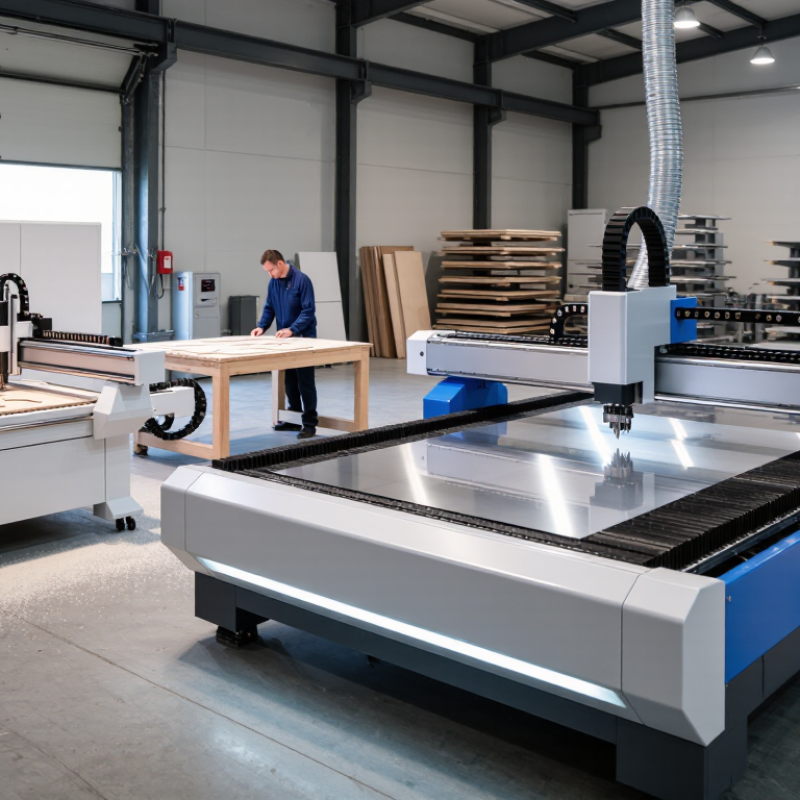
Choosing the best Cnc Cutting Machine in 2026 starts with the work it must perform. A compact router may suit a sign shop cutting plywood, while a fiber laser can handle thin sheet metal at speed. Neither is automatically the better choice. Material, thickness, part size, accuracy, and daily workload all matter. So does the space around the machine: a cutting bed is only useful if sheets can reach it safely and comfortably.

John T. Parsons, a pioneer of numerical control, helped shape the manufacturing methods behind modern CNC systems. Rather than inventing a quotation for him, this guide follows a practical principle inspired by his work: “Choose the process for the part, then choose the machine.” It is a useful starting point, not a complete buying rule. Real shops also weigh software, tooling, maintenance, training, and the cost of downtime. Small details can sting. A machine that cuts beautifully in a demonstration may struggle with your actual materials or production schedule.

This guide compares common machine types and explains where each one excels. It looks at cutting performance, usable work area, operating costs, and support after purchase. You will also find questions to ask before investing, from how dust or heat is managed to whether replacement parts are readily available. There is no universal winner. The best choice depends on your work—and sometimes the right answer is a smaller, simpler machine.
What Is the Best CNC Cutting Machine in 2026?

What a CNC Cutting Machine Does

What Is the Best CNC Cutting Machine in 2026?
What a CNC Cutting Machine Does

A CNC cutting machine follows digital instructions to move a cutting tool along a planned path. The design is converted into coordinates, then the machine cuts, drills, or engraves material with repeatable movements. Small details matter. A slightly wrong tool setting can leave rough edges or waste an entire sheet.

Different machines use different cutting methods. A router typically handles wood, plastics, and some composites. Laser systems cut or mark suitable materials with a focused beam, while waterjet machines use a high-pressure stream for a wider range of sheet materials. The right choice depends on the material, thickness, edge quality, and production volume—not just speed. Not magic.

In a workshop, the process often starts with securing a flat sheet and checking the cutting file. The digital file may be neat; the stock rarely is. Bowed material, a loose clamp, or a worn tool can shift the result. A test cut helps reveal problems before a full job begins. It can feel like an unnecessary pause, especially on a tight schedule, but skipping it is sometimes the more expensive choice. Operators also need appropriate guarding, ventilation, and material settings for the specific machine and job.
How CNC Cutting Technologies Differ

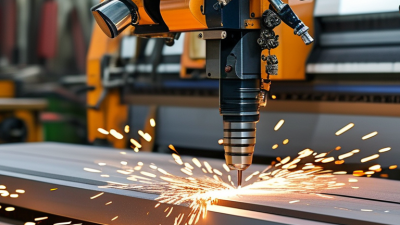
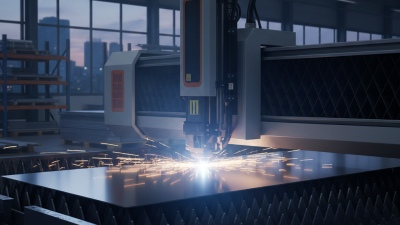
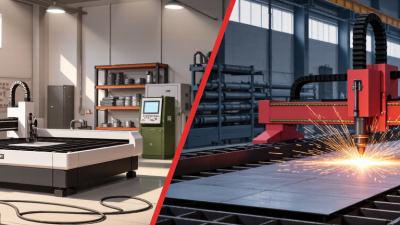
Choosing a CNC cutting machine starts with the material, not the machine’s headline speed. Laser cutting concentrates heat into a narrow kerf, producing clean edges on many sheet metals and thin materials. Plasma cutting uses an electrically conductive gas, making it practical for thicker conductive plate, though heat can leave a wider affected edge. Waterjet cutting avoids a heat-affected zone; its abrasive stream can cut stone, metal, or composites, but usually works more slowly. CNC routers use rotating tools for wood, plastics, and some softer materials. Different jobs, different trade-offs. A shiny edge is not always the cheapest edge.

These differences matter more than a broad market forecast. Grand View Research’s CNC Machine Market report valued the worldwide market at US$101.2 billion in 2023 and projected 9.5% annual growth through 2030. That figure covers CNC machines broadly; it does not identify a universal best cutter. In a real shop, material thickness, tolerances, extraction needs, and maintenance time shape the decision. A laser may leave a precise seam on thin sheet, while a waterjet can avoid heat distortion on a heat-sensitive part. Yet waterjet abrasive and operating time add costs. I would still verify sample cuts using the actual material. Published specifications can hide messy edges, setup delays, and operator learning curves.

What Is the Best CNC Cutting Machine in 2026? - How CNC Cutting Technologies Differ

CNC Technology How It Cuts Best-Suited Materials Key Advantages Main Trade-Offs Best Choice When…
Laser cutting A focused laser beam melts, burns, or vaporizes material along a programmed path. Sheet metals, wood, acrylic, paper, and some plastics; suitability depends on laser type and material composition. Fast, non-contact cutting; suitable for detailed profiles and repeatable production. Many systems produce a narrow kerf. Heat can discolor or deform edges and may create a heat-affected zone. Some materials release hazardous fumes or are unsuitable for laser processing. You need high-speed, detailed cuts in compatible sheet materials and can manage extraction and fire safety.
Plasma cutting An electrically conductive gas is heated into plasma, which melts metal and blows molten material away. Electrically conductive metals, including carbon steel, stainless steel, and aluminum. Effective for cutting conductive metal plate, with high cutting speeds on many production jobs. It creates a heat-affected zone and can leave dross or angled edges. It cannot cut non-conductive materials. You primarily cut conductive metal and prioritize productive cutting over a heat-free edge.
Waterjet cutting A high-pressure water stream, often mixed with abrasive, erodes material along the cutting path. Metals, stone, glass, ceramics, composites, and many other materials, subject to process and material limits. No heat-affected zone; useful for heat-sensitive materials and a broad range of material types. Cutting can be slower than some thermal methods. Abrasive use, water handling, and equipment operation add cost and maintenance needs. You need to avoid thermal damage or cut a varied mix of materials, including thick or heat-sensitive stock.
CNC router A rotating cutting tool removes material through controlled contact. Wood, plastics, foam, composites, and, with appropriate tooling and machine rigidity, some non-ferrous metals. Can cut profiles and machine pockets, grooves, and 3D features; useful for large panels and sheet goods. Tool wear, cutting forces, and workholding affect results. Dust or chips must be managed, and the cutter needs access to the feature. You need to cut or shape wood, plastic, or composite parts, or perform more than just through-cutting.
CNC knife cutting A programmed blade cuts or scores material; systems may use drag, oscillating, or tangential knife motion. Textiles, leather, foam, rubber, gaskets, paper, and other flexible or relatively soft sheet materials. No thermal edge burning; well suited to flexible materials and nested patterns with low material waste. Blade type and condition limit the materials and thicknesses it can handle. It is not intended for cutting metal plate. You produce garments, packaging, upholstery, soft components, or gasket shapes without heat damage.

How to choose: There is no single best CNC cutting technology for every job. Compare material compatibility, thickness, edge requirements, production volume, operating costs, and safety needs. Actual performance depends on the machine, tooling, settings, and workpiece.

Which Factors Define the Best Machine in 2026

What Is the Best CNC Cutting Machine in 2026?

Which Factors Define the Best Machine in 2026

The best CNC cutting machine depends on the materials, thicknesses, and daily workload it must handle. A shop cutting thin plywood has different needs from one processing thick aluminum sheets. Match the machine’s working area and cutting capacity to real jobs, not occasional wish-list projects. More power is not automatically better.

Cut quality is equally important. Check edge consistency, dimensional accuracy, and how much finishing work parts need after cutting. A useful test is to run a sample using your own material and compare the result with the required tolerances. Look for clean edges, steady motion, and repeatable cuts. Small errors add up.

Consider the full operating setup, too. Fume extraction, guarding, software compatibility, maintenance access, and operator training affect everyday use. Ask how quickly common wear parts can be replaced, and whether support is available when a machine stops mid-job. A spec sheet may look convincing while hiding awkward setup or service needs. That happens. Compare purchase cost with installation, energy use, tooling, and expected downtime. The cheapest option can become expensive, but a premium machine may exceed the work’s actual needs. Define your priorities before comparing models.

What Defines the Best CNC Cutting Machine in 2026?

Representative upper cutting-thickness benchmarks for industrial systems cutting mild steel

These approximate benchmarks vary with machine configuration, material grade, and cut quality requirements; they are not guaranteed limits. The best choice depends on the work: compare material and thickness range, required precision and edge quality, production speed, and total operating cost—not thickness alone.

Which Machine Types Suit Different Materials and Uses

“Best” depends on the material and the job, not one headline specification. A 2024 Grand View Research CNC Machine Market report estimated the global market at about US$101.2 billion in 2023, reflecting broad industrial demand rather than one ideal machine. For flat steel or aluminum, fiber-laser cutters produce detailed profiles with limited heat distortion. Plasma cutters can be more economical for thicker conductive plate, though their kerfs are wider. Thin sheet? Easy. Not always. Reflective metals, assist gas, and edge-quality targets can change the choice.

CNC routers handle wood, MDF, plastics, and foam with a rotating bit. They suit panels, signs, and carved relief, but require dust collection and tool changes. Waterjet systems cut stone, glass, composites, and heat-sensitive materials without a heat-affected zone. However, slower cycles and abrasive disposal add costs.

For pockets and precision holes in metal, a CNC mill or machining center offers controlled cuts, but removes material and may waste stock. Compare the thickest routine job, required tolerance, finish, batch size, and floor space. Buyers can overvalue peak cutting speed; setup time often matters more in small batches.

How to Compare CNC Cutting Machines Before Buying

When comparing CNC cutting machines in 2026, start with the materials and thicknesses you actually process. A machine that cuts thin plywood cleanly may struggle with dense hardwood or aluminum. Check the work area, cutting power, axis travel, and file compatibility against real jobs, not showroom samples. Request a test cut using your material. Inspect edge quality, corner detail, and setup time.

Tips: Ask for a written specification sheet and sample cut. Confirm what is included: tooling, extraction, guarding, software, training, and warranty support. Compare operating costs, including consumables, maintenance, electricity, and downtime. Numbers can mislead. A high feed rate matters little if the finish needs sanding or extra passes.

Before buying, consider accuracy and repeatability, not just peak speed. Ask how calibration is checked and how parts are serviced. Review safety features and ventilation requirements for your workspace. If possible, run a small batch and measure several parts with calipers. Differences show up. Check whether operators can learn the controls without constant specialist help. Some compromise is normal; overlooking its cost is not.