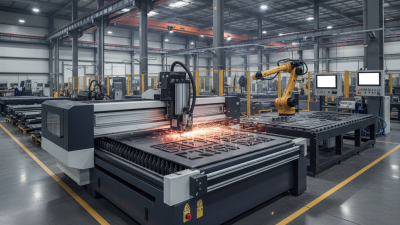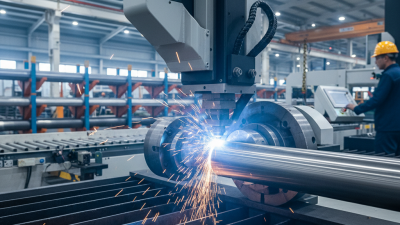
Choosing the right CNC cutting machine can significantly affect your production quality and efficiency. With various options available, it is crucial to understand your specific needs. A good machine should align with your operational goals. For beginners, the overwhelming choices may seem daunting.
Consider the types of materials you will work with. CNC machines have different capabilities depending on material thickness and hardness. Knowing the right fit can enhance your workflow. Reliability is another key factor. Investing in a machine from a reputable manufacturer ensures you receive support and maintenance when needed.
Assessing your budget is essential. High-end machines offer advanced features but may not be necessary for every project. Sometimes, a mid-range CNC cutting machine performs just as well. Ultimately, it's about balancing cost with the machine’s capabilities. The wrong choice may lead to operational inefficiencies and wasted resources. Take the time to reflect on what you truly require for optimal performance.
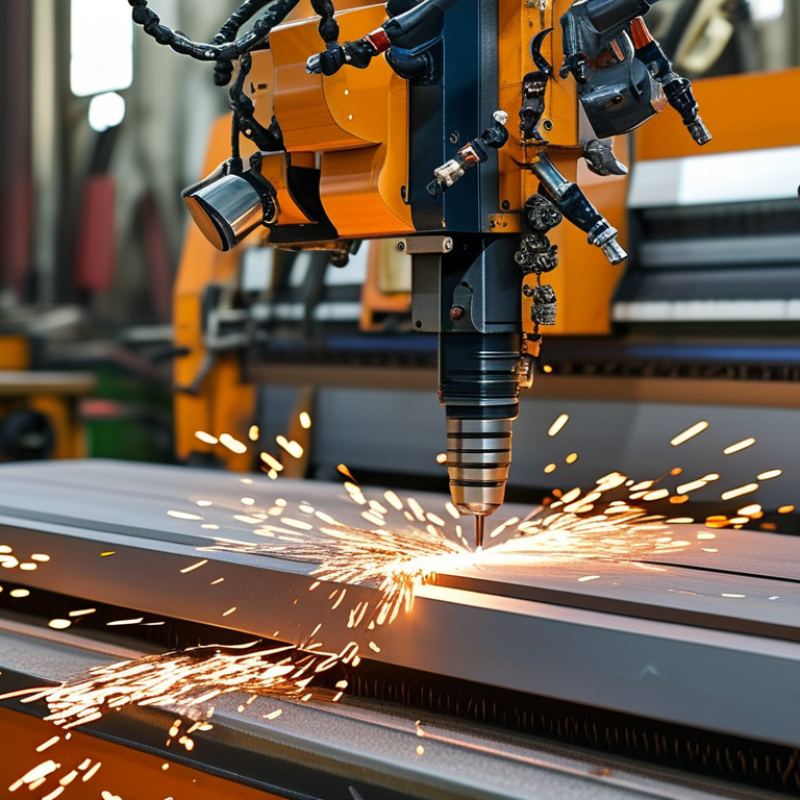
Choosing the right CNC cutting machine begins with understanding your cutting requirements and material types. Different projects demand various cutting processes. For instance, wood, metal, and plastics all behave differently during cutting. Knowing the characteristics of each material helps inform your decision on the CNC machine.
When evaluating your needs, consider the thickness and density of materials. Thicker materials often require machines with higher power and more robust design. Conversely, thinner materials may allow for more precise, detailed machines. Always think about the scale of your projects. Larger projects might need machines with bigger cutting areas.
Tips: Test different materials when possible. This can reveal their unique cutting responses. Additionally, consult experienced users or industry experts. Their insights can guide you in selecting the best machine for your needs. Always reflect on your initial choices. A machine that seems perfect might fall short in practical applications.
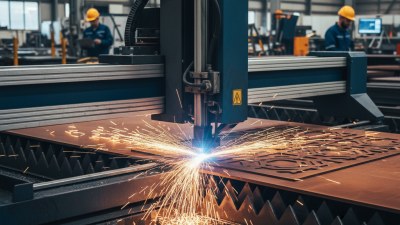
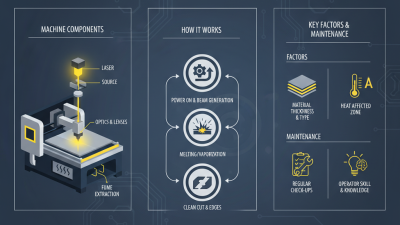
When selecting a CNC cutting machine, key features play a vital role in your decision. One prominent feature to consider is the machine's cutting speed. According to industry reports, faster cutting speeds can significantly improve productivity, often reducing production time by up to 30%. This factor is crucial for businesses aiming to meet tight deadlines.
Another important aspect is the machine's versatility. Look for machines that support multiple cutting methods, such as laser, plasma, and waterjet cutting. A versatile machine can handle diverse materials, from metal to composites. This capability is often a game-changer in adapting to varying project requirements.
Tips: Focus on accuracy. A machine's precision is critical for high-quality output. Many CNC machines offer tolerance levels within 0.005 inches, enhancing the final product's integrity. Also, evaluate the software that accompanies the machine. User-friendly software can streamline design processes and reduce learning curves.
Another consideration is the machine's ease of maintenance. Regular upkeep can prolong your machine's lifespan, which is typically around 10-15 years, according to technical data. Machines that are difficult to maintain can lead to unexpected downtime, which can be costly for your operations.
When evaluating a CNC cutting machine, precision is paramount. The accuracy of cuts directly impacts the quality of finished products. Machines with a higher resolution provide tighter tolerances. This is crucial for industries requiring detailed work, such as aerospace or automotive. Check the manufacturer’s specifications. Look for metrics like repeatability and deviation. These numbers reveal how well the machine performs under different conditions.
Speed also plays a vital role in CNC cutting efficiency. Faster machines can produce parts quickly, improving overall productivity. However, maintaining speed without sacrificing quality is challenging. Some machines may cut faster but generate more waste or require rework. Efficiency isn’t just about speed; watch for energy consumption rates. A machine that consumes less power while performing effectively can lead to long-term savings.
Industrial environments often face pressures that necessitate constant reflection on performance. Regular assessment of a CNC cutting machine's precision and speed can highlight areas for improvement. By tracking these metrics, manufacturers can adjust operations to optimize production. Without this constant evaluation, it's easy to overlook inefficiencies that can impact profitability. Therefore, choose a machine that not only meets your immediate needs but can adapt and evolve over time.
When choosing a CNC cutting machine, budget considerations are crucial. High-quality machines often come with a higher price tag. However, a more expensive model may save costs in the long run. Look for a machine that offers a good balance between upfront investment and operational efficiency. Think about your production volume. A more robust machine may handle heavier workloads effectively, reducing maintenance costs.
Consider the total cost of ownership. This includes maintenance, tooling, and operational energy consumption. A less expensive machine might have higher hidden costs. Do the math on potential repairs and parts replacement. It’s vital to calculate how often you might need to replace worn components. Seeking advice from industry experts can provide valuable insights into reliability and longevity.
Reflect on your specific needs. Are you focusing on intricate designs or volume production? Different applications can influence budget requirements. It’s easy to get swayed by features. However, understanding your priorities will lead to more informed choices. Don't forget to account for future growth. Flexibility in your budget can help when scaling operations. A well-chosen CNC machine can enhance productivity without excessive expenditures.
| Machine Type | Initial Cost ($) | Operating Cost/Hour ($) | Precision (mm) | Max Cutting Thickness (mm) | Maintenance Frequency (months) |
|---|---|---|---|---|---|
| Plasma Cutter | 8000 | 15 | 0.5 | 25 | 6 |
| Laser Cutter | 15000 | 30 | 0.1 | 20 | 12 |
| Waterjet Cutter | 20000 | 50 | 0.3 | 150 | 8 |
| CNC Router | 12000 | 20 | 0.5 | 40 | 10 |
When selecting a CNC cutting machine, user reviews are invaluable. They reflect real experiences, shedding light on both strengths and weaknesses. By focusing on specific models, potential buyers can gauge reliability and performance. Look for feedback regarding ease of use and maintenance. Positive reviews often provide insights into support from the manufacturer, which is critical for long-term satisfaction.
Consider also the common issues users face. Some machines may excel in cutting precision but struggle with software compatibility. Others might have excellent training resources but insufficient customer support. These reflections help create a well-rounded understanding of each brand. Engaging with forums or dedicated communities can reveal hidden gems and frequent complaints alike, offering a fuller picture beyond marketing materials.
Prioritize machines that users consistently recommend due to dependable functionality and solid support.