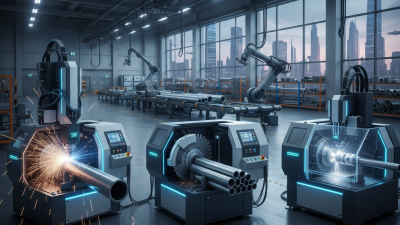
Top Tube Laser Machine Tips for Global Buyers
The demand for Tube Laser Machines has surged in recent years. According to a report by MarketsandMarkets, the global tube laser cutting market is expected to reach $5.2 billion by 2025. This growth reflects the increasing need for precision in manufacturing across various industries. Tube Laser Machines offer speed, efficiency, and accuracy, essential for modern production lines.
However, choosing the right Tube Laser Machine can be challenging for global buyers. Factors like technology advancements and price fluctuations complicate the decision-making process. Additionally, many buyers may overlook essential aspects such as machine compatibility and after-sales support. Awareness of these nuances is vital to ensure a successful investment.
Diving deeper into the specifics of Tube Laser Machines, it's clear that not all machines are created equal. Quality can vary significantly between manufacturers. Buyers need to research thoroughly and compare different models. Understanding the technical specifications is crucial. A well-informed choice can lead to improved productivity and reduced operational costs.
Key Features to Consider in Top Tube Laser Machines
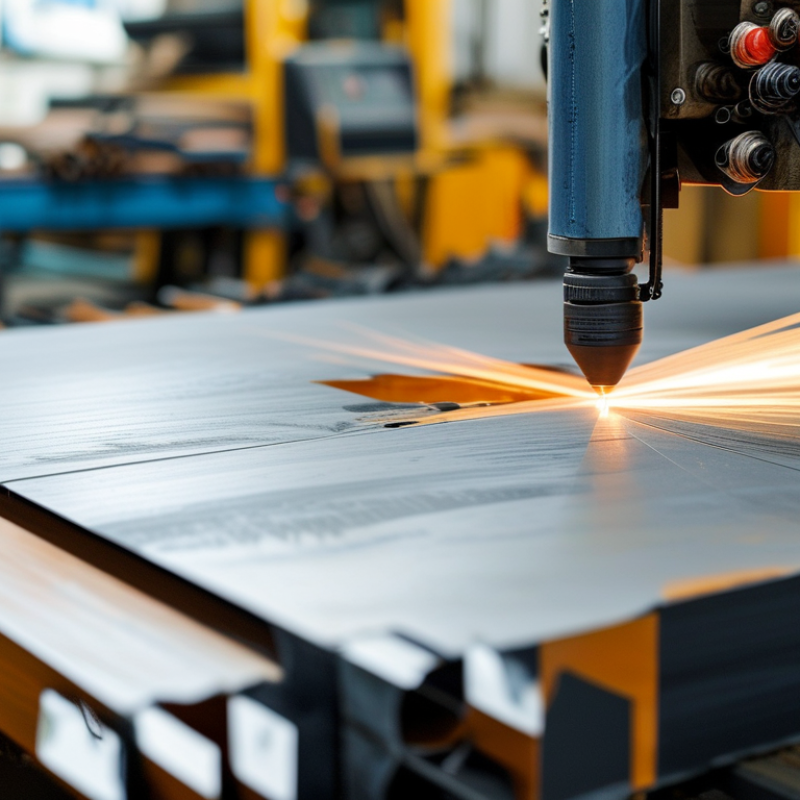
When considering top tube laser machines, buyers should focus on key features that impact performance and efficiency. One of the most critical aspects is cutting accuracy. According to recent industry reports, machines that maintain a tolerance of ±0.01 mm significantly enhance product quality. This precision is essential for applications in industries such as automotive and aerospace. Additionally, efficient energy consumption is vital. Top machines use up to 30% less energy compared to older models, primarily through advanced laser technology.
Let’s dive into essential tips. Firstly, evaluate the machine's speed. A laser machine capable of operating at a cutting speed of 50 m/min can drastically reduce production times. Having the right automation features can automate material loading and unloading, enhancing workflow. Secondly, consider the software compatibility. Machines equipped with user-friendly software streamline operations and improve the learning curve for operators.
Building on these features, assess how the machine fits your production environment. It's crucial to ensure that the system's footprint should align with your factory layout. Many buyers overlook the importance of maintenance features. Machines that are difficult to service can lead to extended downtimes. Reflecting on these elements can provide insights into making a well-informed purchase.
Understanding Different Types of Tube Laser Machines
When exploring tube laser machines, understanding their types is essential for making informed decisions. The market offers several variations, each tailored for different applications. CO2 laser machines are known for their precision and versatility. They work well with a variety of materials, making them a popular choice for many industries. Fiber lasers, on the other hand, excel in speed and efficiency. They are particularly effective for cutting metals, providing clean edges with minimal waste.
Additionally, solid-state laser machines are another option. These machines are recognized for their durability and low maintenance needs. However, their initial investment can be higher. Users often struggle to balance costs with desired performance. Understanding specific needs and application requirements can help in selecting the right type.
There's much to consider. Potential buyers should reflect on their production goals and material types. Each machine has its pros and cons, which can lead to frustration if not properly matched. Researching different models and seeking expert advice can provide clarity. In the end, the right choice will depend on personal requirements and the potential for long-term satisfaction.
Top Tube Laser Machine Tips for Global Buyers - Understanding Different Types of Tube Laser Machines
| Machine Type |
Cutting Material |
Max Tube Diameter |
Laser Power |
Applications |
| Fiber Laser Tube Cutting |
Steel, Stainless Steel, Aluminum |
200mm |
1000W - 6000W |
Automotive, Furniture, Machinery |
| CO2 Laser Tube Cutting |
Acrylic, Wood, Leather |
150mm |
80W - 200W |
Signage, Crafts, Decor |
| Plasma Tube Cutting |
Metal Sheets, Mild Steel |
300mm |
30A - 100A |
Heavy Industries, Shipbuilding |
| Hybrid Laser Cutting |
Various Metals |
250mm |
6000W - 12000W |
Aerospace, Construction |
Essential Safety Tips for Operating Tube Laser Machines
Operating tube laser machines can be complex and sometimes daunting. Safety should be the top priority. According to a report by the International Laser Association (ILA), incidents can occur when operators do not follow proper protocols. It is vital that users are aware of potential hazards.
Tip: Always wear appropriate personal protective equipment (PPE). This includes safety goggles, gloves, and protective clothing. Regularly inspect your PPE for wear and tear.
Training is essential. According to industry data, nearly 70% of accidents occur due to inadequate training. Ensure operators are well-versed in machine functions and emergency procedures. Conduct regular safety drills to keep skills sharp.
Tip: Maintain a clean workspace. Clutter can lead to accidents. Ensure all materials are stored securely, and the work area is free from distractions.
Lastly, monitor the machine closely during operation. A study by the Laser Institute reveals that immediate feedback can reduce errors significantly. Address unusual noises or irregular functions promptly to prevent larger issues.
Tip: Keep emergency contact numbers visible. In case of an accident, quick access to help can save lives.
Maintenance Best Practices for Extended Machine Lifespan
Maintaining a top tube laser machine is crucial for ensuring long-lasting performance. Regular checks on the laser alignment can prevent errors in cutting. Misalignment often leads to wasted materials and inaccurate cuts. Periodically reviewing the software settings is also essential. Outdated configurations may not utilize the machine's full potential, causing inefficiencies.
Dust and debris buildup affects both functionality and precision. Keeping the machine clean is fundamental. Use a soft cloth to wipe surfaces and a vacuum to remove larger particles. Lubricating moving parts every few months can reduce wear and tear. Neglecting this can lead to more severe repairs later.
User training plays a significant role in maintenance. Employees should understand machine operation and safety protocols. Inadequate knowledge can lead to reckless handling, resulting in costly damages. Encouraging a culture of regular reporting about irregularities can enhance machine reliability. While maintenance may seem tedious, it directly influences productivity and operational success.
Top Tube Laser Machine Maintenance Best Practices
How to Choose the Right Supplier for Tube Laser Machines
Choosing the right supplier for tube laser machines can be daunting. With numerous options available, buyers should focus on a few key factors. Start by assessing the supplier's experience in the industry. Look for companies that have been in the business for several years. Longevity often indicates reliability and a solid understanding of different customer needs.
Next, evaluate the supplier's product offerings. Diverse options allow for better customization based on specific requirements. Check if they provide additional services like maintenance and training. This indicates that the supplier is not just selling a machine, but is committed to overall customer success.
Do not overlook customer reviews and case studies. Feedback from previous clients can reveal a lot about the supplier’s credibility. Inspect the resources available on their website, including technical documents and support guides. These resources showcase their expertise and willingness to assist. However, be wary of too much marketing hype; ensure their claims are substantiated. Making informed decisions requires thorough research and reflection on your unique needs.