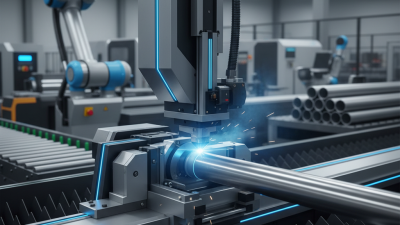
Choosing a tube laser cutting machine involves more than comparing headline prices. Buyers need to match the machine’s capacity to their actual production work. Consider tube diameter, wall thickness, material types, cutting speed, and required tolerances. A Tube Laser Machine built for light steel profiles may not suit heavy, large-diameter tubes. Small details matter, too. Check loading space, floor requirements, and how operators access the cutting area.
This guide introduces ten manufacturers for buyers to research. It considers practical factors such as machine configuration, control software, available automation, technical support, and parts availability. Ask suppliers for specifications and sample cuts using materials similar to yours. Look closely at edge quality, heat effects, and repeatability. A polished demonstration is useful, but it cannot answer every production question. Request clear information about installation, training, maintenance, and service response times.
No single manufacturer is right for every workshop. Some buyers prioritize throughput; others need flexible setups for short runs and varied profiles. Compare the same requirements across suppliers, and confirm that quoted features are included in the final configuration. Independent checks are worthwhile. Claims can sound convincing, yet actual performance depends on material, setup, and operator skill. Use this overview as a starting point, then verify important details directly with each manufacturer before making a purchase decision.
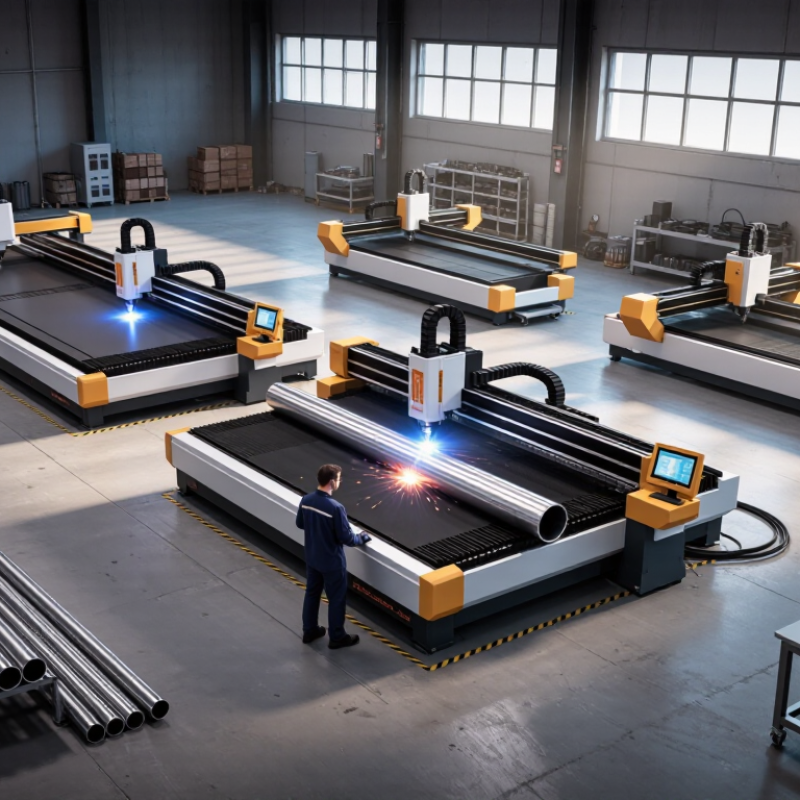
Tube laser cutting machines process round, square, and rectangular sections using a focused beam and a rotating chuck. The chuck turns the tube while the cutting head follows programmed paths. This creates slots, holes, notches, and angled ends without separate drilling or sawing. That matters. Typical uses include furniture frames, vehicle components, building supports, and agricultural equipment. A clean cut can reduce secondary finishing, but results depend on material, wall thickness, support, and settings.
Applications vary with production needs. A fabricator making handrails may prioritize precise joints and minimal burrs. A high-volume component supplier may value automated loading and repeatable cycle times. Grand View Research’s 2024 Laser Cutting Machines Market report estimated the broader market at USD 5.15 billion in 2023, with projected growth through 2030. This figure covers laser cutting machines generally, not tube systems alone. It signals wider investment, not guaranteed savings for every shop. Small details count. A poorly supported tube can still twist.
Tips: Match machine capacity to the largest tube diameter, length, and wall thickness you actually process. Ask for sample cuts using your own material, then inspect edge quality, hole position, and cycle time. Check extraction and operator safeguards, too. Automation helps, but it cannot fix a weak production layout.
A useful evaluation starts with the parts a machine must actually cut. Check its supported tube diameter, wall thickness, material range, and ability to handle round, square, and rectangular profiles. Ask for a live sample cut using your own drawings and stock. Measure edge quality, dimensional accuracy, cycle time, and repeatability—not just the best result from one pass. Small details matter: a slipping chuck or awkward loading station can slow an entire shift.
MarketsandMarkets’ 2023 report estimated the global laser cutting machine market at USD 5.2 billion in 2023, with a forecast of USD 7.8 billion by 2028. This is a broad market estimate, not tube-machine performance data. Still, it signals a growing field where specifications alone may not distinguish suppliers. Compare automation options, nesting software, commissioning support, spare-parts availability, and technician response times. Request references from users cutting similar materials and volumes. No scorecard is perfect. A supplier’s quoted tolerance may not reflect daily production, and buyers should verify it under realistic conditions. Ask how maintenance is scheduled, what the warranty excludes, and whether operators receive hands-on training. Then compare the full operating cost, including assist gas, consumables, and expected downtime.
Suggested buyer-assessment weights. Adjust them to reflect your production needs; these are evaluation guidelines, not measured manufacturer ratings.
Compare manufacturers against the same criteria and request supporting evidence, such as cutting samples, throughput data, service terms, and documented safety specifications. The suggested weights total 100%.
For buyers comparing the top 10 tube laser cutting machine manufacturers, the best choice depends on the work, not the ranking alone. Start with the tube materials, diameters, wall thicknesses, and daily production volume your shop actually handles. A machine suited to thin stainless-steel tubes may not deliver the same results on heavy structural sections. Check cutting samples for clean edges, consistent holes, and minimal burrs.
Look beyond headline speed. Ask how the manufacturer supports installation, operator training, spare parts, and routine maintenance. Confirm that the chuck and loading system match your tube lengths and workshop space. Request references from customers with similar production needs, and ask specific questions about service response times. Even a strong supplier may not fit every shop. Small details matter.
Tips: Send several real tube drawings when requesting a quote. Compare cycle time, material limits, warranty terms, and service coverage in writing. If a claim sounds unusually broad, ask how it was measured. A rushed comparison can miss practical costs, and that is easy to regret.
When comparing tube laser cutting machine manufacturers, look beyond laser power and advertised cutting speed. Check the usable tube diameter, wall-thickness range, chuck changeover time, and how reliably the machine handles short remnants. Ask for a sample cut using your own material. A glossy demonstration is not your production schedule.
Support affects ownership costs. The 2019 Deloitte-MAPI Smart Factory study surveyed 600 manufacturing executives; 86% expected smart factories to become a primary competitiveness driver within five years. That forecast makes connectivity worth examining, not buying blindly. Confirm whether the machine records alarms, tracks operating hours, and shares usable diagnostic data. The Manufacturing Institute and Deloitte’s 2024 workforce report estimates that U.S. manufacturing may need 3.8 million workers by 2033, with 1.9 million positions potentially unfilled. Operator training, clear maintenance instructions, and remote troubleshooting can therefore matter as much as a faster cut.
Small details matter. Build a three-to-five-year cost sheet covering purchase price, installation, extraction, electricity, assist gas, consumables, software, maintenance, and downtime. Compare service response times and spare-part availability in writing. Then estimate scrap from real nesting tests; a small reduction can outweigh a modest speed gain. Still, estimates are imperfect. Your material mix and shift pattern can make spreadsheet assumptions look neat—and wrong.
Top 10 Tube Laser Cutting Machine Manufacturers for Buyers
Selecting a Manufacturer for Your Production Needs
A machine that cuts fast on paper may struggle with your actual tube mix. Before comparing manufacturers, list material grades, tube diameters, wall thicknesses, and daily part volumes. Ask for a cutting trial using your own drawings and stock. Watch the operator load a long tube, manage remnants, and remove finished parts. Small handling delays can quietly reduce output.
Check more than laser power. Compare achievable tolerance, setup time, software compatibility, service response, spare-parts access, and operator training. Request cycle-time estimates for representative parts, not only simple straight cuts. The International Federation of Robotics reported 541,302 industrial robots installed worldwide in 2023 in World Robotics 2024. If automation matters to your plans, ask how the machine supports loading, unloading, and future cell integration. A polished demonstration is useful, but it cannot reveal every production bottleneck.
Tips: Bring sample files and material to the factory acceptance test. Record cut quality, changeover time, and assist-gas use. Ask for references from shops processing similar tube sizes. Also inspect the service plan in writing; response times can matter more than a slightly higher cutting speed. No checklist predicts every surprise. That is worth admitting.
A practical 10-point framework for comparing manufacturers against your materials, part requirements, production volume, and service needs.
| No. | Evaluation Dimension | What to Verify | Why It Matters to Production | Useful Buyer Evidence |
|---|---|---|---|---|
| 1 | Tube and profile range | Confirm supported round, square, rectangular, and open profiles, along with minimum and maximum dimensions and wall thickness. | The machine must accommodate the actual stock sizes and profile shapes used in your jobs. | Published capacity drawings, sample-part trials, and a written specification for each profile type. |
| 2 | Material compatibility | Check capability for the specific materials in your production, such as carbon steel, stainless steel, aluminum, or other alloys. | Material type and thickness affect the required cutting process, settings, edge quality, and achievable cycle time. | Cut samples made from your material and thickness, with the process settings and results documented. |
| 3 | Laser and cutting configuration | Review the proposed laser source, rated output, cutting head, focus control, and compatibility with the intended materials and thicknesses. | A configuration should be matched to the application rather than selected by power rating alone. | A configuration sheet that identifies the components, supported processes, and stated operating limits. |
| 4 | Chuck and tube handling | Evaluate chuck design, clamping range, loading method, remnant length, and support for long or heavy stock. | Reliable clamping and support influence material stability, usable stock length, and operator workload. | Machine layout, handling-cycle demonstration, and a test using representative stock length and weight. |
| 5 | Cutting accuracy and repeatability | Ask how dimensional accuracy and repeatability are measured, under what conditions, and on which test geometry. | Consistent dimensions help parts fit downstream assembly and reduce rework. | Inspection results for a buyer-approved test part, including the measurement method and tolerances. |
| 6 | Throughput and production fit | Compare loading, cutting, unloading, and changeover time using parts similar to your real production mix. | Cutting speed alone does not represent total production output; handling and part complexity also affect cycle time. | A timed sample run with the part drawing, material, batch size, and cycle-time assumptions recorded. |
| 7 | Software and workflow integration | Check drawing and nesting workflow, supported file formats, job management, and available links to existing production systems. | A suitable workflow can reduce programming effort and help prevent avoidable material waste and job errors. | A demonstration using representative part files and a description of required software, licenses, and interfaces. |
| 8 | Safety and compliance | Review guarding, interlocks, laser-radiation controls, fume extraction provisions, and applicable local requirements. | Laser-processing equipment requires appropriate risk controls and must be assessed for the regulations applicable at the installation site. | Risk-assessment documents and relevant conformity or safety documentation. IEC 60825-1 and ISO 11553-1 are standards buyers may ask about. |
| 9 | Installation, training, and service | Clarify installation scope, operator and maintenance training, response channels, spare-parts availability, and service coverage. | Support arrangements affect commissioning time and the ability to recover from faults during production. | A written service plan that states coverage, response process, training scope, and parts-supply arrangements. |
| 10 | Total cost and commercial terms | Compare the machine price with tooling, extraction, utilities, installation, training, software, maintenance, and warranty terms. | The purchase price alone does not show the full cost of putting the machine into operation and maintaining it. | An itemized quotation, stated exclusions, warranty conditions, and estimated operating requirements. |
Buyer note: Request a production trial using your own drawings and material before making a final selection. Confirm that quoted capacities and performance conditions are documented in the purchase specification.