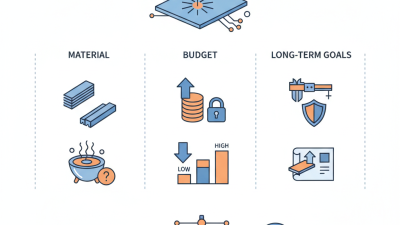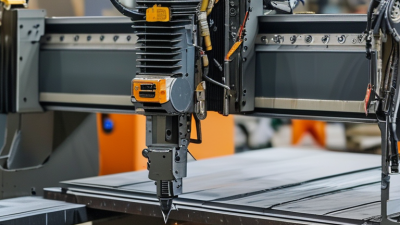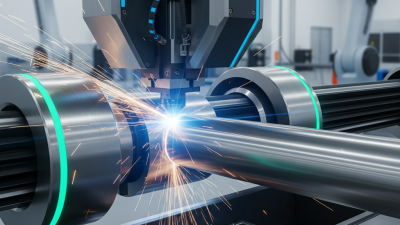
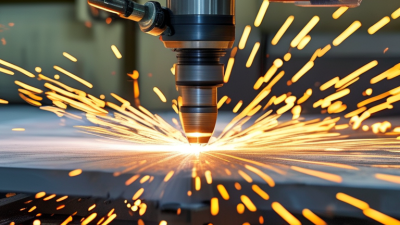
Choosing a Metal Laser Cutting Machine For Home is more complicated than comparing wattage and price. A small workshop may need to cut steel, aluminum, or brass, yet each material reacts differently to heat. Thickness matters too. A machine that cuts thin sheet beautifully may struggle with a six-millimeter plate. It may also create rough edges, excessive slag, or visible warping.
Professor Reinhart Poprawe, a respected laser-technology authority, has described laser technology as “one of the key technologies of the 21st century.” That perspective is useful here. A laser is powerful, but it is not automatically practical. Before buying, examine the working area, laser source, cooling system, extraction method, electrical demand, and software compatibility. An enclosed design is especially important for a home environment. Proper ventilation and fire protection should never be treated as optional details. Local safety requirements also deserve careful attention.
The quiet machine on a product page may sound very different in a garage. Fans can run continuously. Water chillers may occupy valuable floor space. A compact frame can still produce smoke, sparks, and sharp metal scraps. I would not choose a machine only because it looks affordable. That decision can become expensive later. A realistic budget should include lenses, nozzles, filters, maintenance, and suitable protective equipment. This guide compares these practical factors, while recognizing one uncomfortable truth: there is no perfect home machine. The best choice depends on your materials, workspace, skill level, and willingness to learn safely.
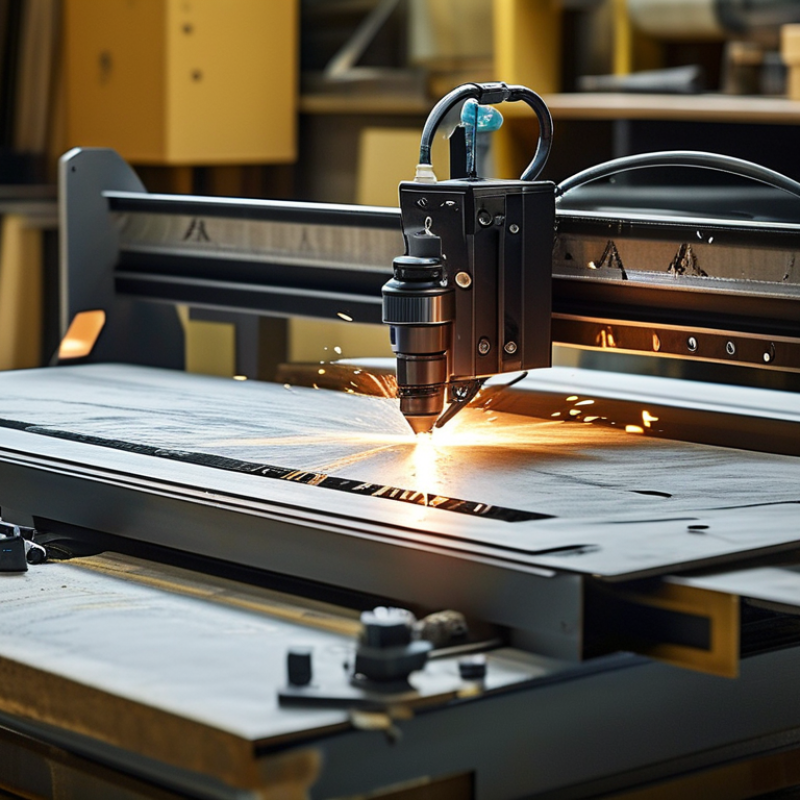
How to Choose a Metal Laser Cutting Machine for Home?
Define Your Home Metal Laser Cutting Requirements
Start with the metal, thickness, and part size you will actually cut. Steel, stainless steel, and aluminum need different power levels and assist gases. A practical home user might cut 1–3 mm sheet, but thicker material can quickly exceed a domestic machine’s capacity. Measure your largest planned workpiece, not your smallest sample. My first estimate is often too optimistic.
Record the required cutting area, positional accuracy, daily operating hours, and available electrical supply. The machine should fit through doors and leave space for loading, maintenance, and emergency access. The International Organization for Standardization’s ISO 12100 framework emphasizes risk assessment during machine design. That principle matters at home. An enclosed system, interlocked access, and reliable emergency stopping are more important than impressive wattage.
Do not treat ventilation as an optional upgrade. The U.S. Environmental Protection Agency reports that indoor pollutant levels can be two to five times higher than outdoors, and sometimes exceed 100 times outdoor levels. Cutting coatings or contaminated surfaces may create additional fumes. Plan suitable local exhaust, filtration, and safe duct routing before purchase. The U.S. National Institute for Occupational Safety and Health recommends controlling airborne hazards near their source. Keep a written material list. It may reveal that some planned projects are unsuitable, or simply too demanding for a home workspace.
Define your home metal-cutting requirements by identifying the materials you plan to process. Thermal conductivity is an important factor: metals that transfer heat quickly generally require more cutting power and careful speed control.
Approximate thermal conductivity at room temperature, measured in watts per meter-kelvin (W/m·K). Actual cutting performance also depends on material thickness, laser power, cutting speed, assist gas, focus, and ventilation.
Choosing a metal laser cutting machine for home use starts with laser type, not advertised wattage.
Fiber lasers suit steel, stainless steel, aluminum, and brass. They focus tightly and usually require less maintenance. CO2 lasers can cut some metals, but they consume more power and need careful alignment. Diode lasers are affordable, yet their metal-cutting ability remains limited. A 2023 Fraunhofer Institute for Laser Technology overview reports fiber systems can achieve roughly 30% electrical-to-optical efficiency, while CO2 systems commonly remain near 10% to 15%. That difference matters in a small workshop.
Power must match both thickness and material. A 500-watt fiber machine may handle thin stainless sheets, while 1,000 to 1,500 watts offers more practical capacity for thicker carbon steel. Copper and brass reflect laser energy, demanding suitable settings and stronger safety controls. Cutting charts are starting points, not guarantees. I once treated wattage as the whole decision; that shortcut produced rough edges and excessive dross.
Check the machine’s gas system, extraction, enclosure, and electrical load before buying. Oxygen can accelerate carbon-steel cutting, while nitrogen usually leaves cleaner stainless-steel edges. The U.S. Department of Energy’s 2022 Industrial Decarbonization Roadmap identifies energy efficiency as a major industrial emissions strategy, making efficient fiber systems attractive for repeated home work. OSHA classifies high-power cutting lasers as serious eye, skin, and fire hazards. Never treat a compact enclosure as automatically safe. Ventilation and interlocked doors matter.
| Laser Type | Typical Power Range | Best-Suited Metals | Typical Home-Workshop Capability | Main Advantages | Main Limitations | Home-Use Assessment |
|---|---|---|---|---|---|---|
| Fiber Laser | 1,000–6,000 W for common sheet-metal cutting | Stainless steel, mild steel, aluminum, brass, copper, galvanized steel | Suitable for thin to medium sheet metal. A 1,000–1,500 W system is commonly used for lighter fabrication, while higher power supports thicker material. | High electrical-to-optical efficiency, fast cutting, compact beam delivery, excellent metal absorption. | High purchase and installation cost; requires ventilation, safety interlocks, and sufficient electrical capacity. | Best technical choice for serious metal work, but generally demanding for a residential setting. |
| CO₂ Laser | 40–150 W for hobby and light workshop systems | Wood, acrylic, cardboard, leather, fabric, some coated or anodized metals | Can mark or engrave certain metal surfaces with suitable coatings or compounds, but normally does not efficiently cut bare sheet metal. | Versatile for non-metal materials; widely used for cutting and engraving organic materials. | Low absorption by many bare metals; metal cutting may require specialized optics, assist gas, and much higher power. | Usually not the right choice when the main goal is cutting bare metal. |
| Diode Laser | 5–40 W optical output for common desktop machines | Wood, cardboard, leather, dark acrylic, painted or anodized surfaces | Primarily for engraving and cutting non-metal materials. It may mark coated metal but generally cannot cut ordinary metal sheet. | Lower entry cost, compact size, relatively simple operation, and lower power consumption. | Insufficient energy density for practical cutting of steel, aluminum, copper, or stainless steel. | Good for engraving and hobby materials, not for home metal cutting. |
| Pulsed Fiber Laser | 20–200 W average power; pulse energy and frequency vary by application | Stainless steel, aluminum, brass, copper, titanium, coated metals | Excellent for marking, engraving, cleaning, and fine surface processing; generally not intended for production cutting of thick sheet metal. | Precise heat control, fine markings, and reduced heat-affected areas compared with many continuous-wave processes. | Limited cutting depth and slower results for sheet-metal separation; specialized equipment is needed. | Strong choice for metal marking, but not a replacement for a continuous-wave cutting machine. |
| Material | Common Thickness for Home-Scale Work | Suitable Laser Type | Practical Power Guidance | Cutting Considerations | Home-Use Recommendation |
|---|---|---|---|---|---|
| Mild Steel | 0.5–6 mm | Continuous-wave fiber laser | Approximately 1,000 W for thin sheet; higher power is needed for thicker stock and faster production. | Usually cut with oxygen or nitrogen. Oxygen can increase cutting speed but may create an oxidized edge. | Most approachable metal for a properly equipped fiber-laser workspace. |
| Stainless Steel | 0.5–4 mm | Continuous-wave fiber laser | Approximately 1,000–2,000 W for thin to medium sheet, depending on grade, speed, and edge requirements. | Nitrogen is commonly used for a cleaner, oxide-free edge. Reflective behavior and heat control must be considered. | Suitable with correct assist gas, ventilation, and process settings. |
| Aluminum | 0.5–3 mm | Fiber laser with reflective-metal protection | Approximately 1,000–2,000 W for thin sheet; actual performance varies substantially by alloy and machine design. | High reflectivity and thermal conductivity can complicate cutting. Nitrogen or clean compressed air may be used. | Possible, but requires a machine specifically designed for reflective materials. |
| Brass and Copper | 0.5–2 mm | Fiber laser designed for reflective metals | Often requires higher power and carefully controlled parameters than mild steel of similar thickness. | Strong reflection can damage optical components on unsuitable systems. Assist gas and machine protection are critical. | Not recommended for an improvised home setup; use only suitable enclosed equipment. |
| Galvanized Steel | 0.5–3 mm | Fiber laser with effective fume extraction | Approximately 1,000–1,500 W for thin sheet, subject to coating thickness and cutting speed. | Zinc coatings can generate hazardous fumes and may affect edge quality. Dedicated extraction is essential. | Use only with professional ventilation and appropriate respiratory-risk controls. |
| Thin Shim or Foil Metal | Less than 0.5 mm | Low-power fiber laser or precision pulsed fiber laser | Power requirements depend on thickness, alloy, pulse characteristics, and desired kerf width. | Thin stock can warp or overheat easily. Fixturing, low heat input, and precise motion control are important. | Suitable for precision projects when the machine offers fine parameter control. |
| Selection Factor | What to Check | Why It Matters | Practical Home-Workshop Guidance |
|---|---|---|---|
| Enclosure and Interlocks | Fully enclosed cutting area, door interlock, emergency stop, and viewing window rated for the laser wavelength. | Industrial laser radiation can cause permanent eye and skin injury. An open frame is not appropriate for high-power metal cutting. | Choose a certified enclosed system and never bypass safety interlocks. |
| Ventilation and Filtration | Fume extraction capacity, filtration method, duct routing, and make-up air. | Metal fumes, coatings, oils, and galvanized surfaces can release hazardous contaminants during cutting. | Exhaust outdoors where permitted, or use filtration specifically rated for the generated fumes. |
| Electrical Supply | Required voltage, phase, current, grounding, and peak power demand. | Higher-power systems may exceed a typical household circuit and can require dedicated electrical installation. | Have a qualified electrician verify the circuit before installation. |
| Assist Gas | Compressed air, oxygen, or nitrogen compatibility; regulator and flow-control requirements. | Assist gas removes molten material and strongly affects speed, edge oxidation, and cut quality. | For occasional thin-sheet work, clean compressed air may be economical; nitrogen is preferred for clean stainless-steel edges. |
| Cooling System | Air cooling or water chiller, operating temperature range, coolant requirements, and alarm functions. | Stable temperature helps protect the laser source and maintain consistent cutting performance. | Follow the machine's cooling specification and provide adequate room ventilation. |
| Workspace and Noise | Machine footprint, material-handling clearance, compressor noise, ventilation noise, and fire-resistant surroundings. | A laser cutter needs more space than its enclosure alone, especially when loading full sheets or maintaining equipment. | Use a dedicated, dry, well-ventilated workshop away from living and sleeping areas. |
| Material Restrictions | Whether the material contains chlorine, fluorine, unknown coatings, or hazardous surface treatments. | Some plastics and coatings can release corrosive or toxic gases and may damage the machine. | Do not cut unknown materials; verify the safety data before processing. |
Key takeaway: For genuine home metal cutting, an enclosed continuous-wave fiber laser is generally the most suitable technology. Select power according to the thickest material you actually plan to cut, not only the maximum advertised capacity. Cutting performance depends on alloy, thickness, focal optics, assist gas, nozzle condition, motion speed, and machine safety systems. High-power metal lasers should be installed and operated only in a properly designed workshop.
Before comparing cutting power, measure the room where the machine will operate. Leave clear space around the frame for loading sheets, cleaning, and emergency access. Metal sheets need a dry, stable storage area, not a narrow corner beside cardboard boxes. Check the floor, too. A heavy machine can vibrate on a weak surface and affect cutting accuracy. Noise matters.
Electrical requirements deserve careful attention. Read the machine’s voltage, current, grounding, and circuit specifications before purchase. A dedicated circuit is usually safer than sharing power with heaters or household appliances. Ask a qualified electrician to inspect the outlet and breaker, especially in an older home. Extension cords can overheat or create voltage drops. I once underestimated cable placement in a workshop; it became a trip hazard and needed rearranging.
Safety features should be practical, not decorative. Choose an enclosed cutting area with a reliable door interlock, emergency stop, proper grounding, and visible status indicators. Confirm that the ventilation system can remove smoke and fine particles from your workspace. Keep suitable fire protection nearby, while following local safety guidance. Reflective metals may redirect laser energy, so never bypass protective covers or switches. The manufacturer’s manual should explain maintenance intervals and approved materials. If the instructions seem unclear, pause and ask a trained technician. A cheaper setup can become expensive when ventilation, wiring, and safety upgrades are added later.
When choosing a home metal laser cutting machine, accuracy deserves more attention than advertised power. Check positioning accuracy, repeatability, and kerf consistency on thin and thick test pieces. ISO 230-2 explains how machine-tool positioning performance should be measured. Ask for measured results, not only factory claims. In practical testing, a small repeatability error can shift a bolt hole by several millimeters across a large plate. I once focused too much on maximum speed. That was a poor decision. Edge quality and stable calibration mattered more.
Software affects daily productivity. Look for clear parameter libraries, automatic nesting, simulation, and editable cutting paths. The interface should show warnings before a collision or incomplete contour. Compatibility with common drawing formats also matters. A complicated program may offer advanced controls, but it can waste time during routine jobs. The U.S. Department of Energy’s Operations and Maintenance Best Practices guide reports potential energy savings of 5–20% through effective maintenance. That includes cooling, air supply, and extraction systems.
Tip: Request a real sample cut. Measure hole diameter, corner sharpness, and burr height with basic calipers. Check whether lenses, nozzles, filters, and coolant are easy to replace. DOE guidance also notes that compressed-air leaks can waste 20–30% of system output. Listen for hissing after shutdown. Maintenance is not glamorous. It is often the difference between a clean weekend project and repeated adjustments.
Choosing a metal laser cutting machine for home use starts with total cost, not the advertised machine price. A compact fiber laser may cost several thousand dollars, but installation can add another 20–40% for extraction, electrical upgrades, ventilation, and safety equipment. The U.S. Energy Information Administration reported an average U.S. residential electricity price of 16.48 cents per kilowatt-hour in 2024. A 3-kilowatt system running four hours weekly could therefore use roughly 624 kilowatt-hours annually, excluding auxiliaries. That calculation is simple, but real consumption varies with standby time and cutting speed.
Gas is another recurring expense. Nitrogen or oxygen consumption depends on nozzle size, pressure, and material thickness. The U.S. Department of Energy’s Compressed Air Sourcebook warns that leakage and poor maintenance can waste 20–30% of compressed-air capacity. A home workshop should budget for filters, lens protection, coolant, nozzles, and occasional service. Small costs accumulate quietly. Choose a machine with power suited to your actual materials, not your future ambitions. For thin stainless steel and mild steel, a lower-power unit may reduce electrical and gas demands. For thicker plate, the required infrastructure can become impractical indoors. Keep a twelve-month spreadsheet for electricity, assist gas, consumables, repairs, and workspace improvements. Industry reports offer useful averages, but household conditions differ. My estimate could still be wrong without measuring duty cycle and gas flow. Safety training, enclosed operation, fire control, and compliant ventilation must remain part of the purchase decision.