One-stop Laser Industry Solution
Leave Your Message

China Top 10 Fiber Laser Cutting Machines to Enhance Your Business Efficiency?

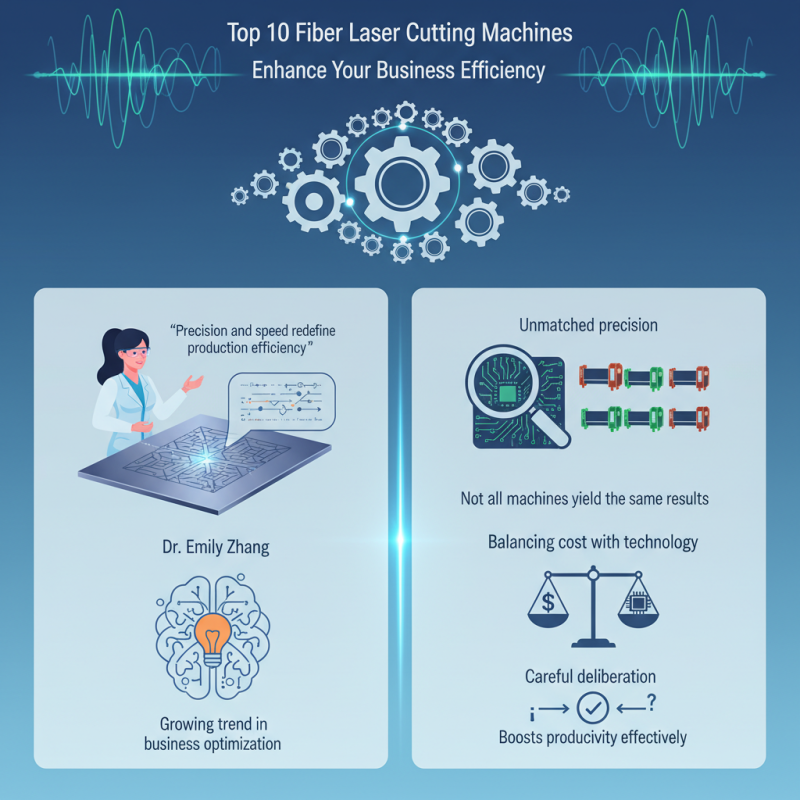
In the dynamic landscape of manufacturing, a "Fiber Laser Cutting Machine" stands out as a powerful tool. Renowned industry expert Dr. Emily Zhang states, "The precision and speed of fiber laser cutting redefine production efficiency." This insight reflects a growing trend in business optimization.

Fiber laser technology offers unmatched precision in material cutting. Its ability to manage intricate designs makes it indispensable for many sectors. Companies that embrace this innovation can enhance their operational capabilities significantly. Yet, not all machines yield the same results. The market is flooded with options, some of which may not meet high standards.

Investing in the right fiber laser cutting machine demands careful deliberation. It’s crucial to evaluate the unique needs of your business. Balancing cost with technology is essential. While many machines promise efficiency, their performance can differ widely. A thorough analysis will guide your choice, ensuring you select machinery that boosts productivity effectively.
China Top 10 Fiber Laser Cutting Machines to Enhance Your Business Efficiency?

Top 10 Fiber Laser Cutting Machines in China: Overview and Features

Fiber laser cutting machines have transformed manufacturing efficiency. The advancements in laser technology have reduced operational costs. According to a recent industry report, the global fiber laser cutting machine market is expected to reach $4.43 billion by 2025. This growth highlights the importance of selecting the right equipment.

The top fiber laser cutting machines in China boast various features. High-speed cutting capabilities are crucial for increasing productivity. Many machines now offer automated functions, enhancing workflow efficiency. A machine with a power range of 500W to 3kW can cut through various materials. A 2022 analysis revealed that precision cutting reduces waste by 30%. This efficiency is vital for businesses striving for sustainable operations.

However, not all machines are created equal. Different manufacturers focus on various aspects like energy consumption and maintenance requirements. Some models may require frequent adjustments, which can disrupt productivity. Investment in training for operators is essential. An ill-equipped workforce may hinder the performance of even the best equipment. Balancing machine capabilities with workforce skills is key to achieving desired results.

China Top 10 Fiber Laser Cutting Machines to Enhance Your Business Efficiency

Model Cutting Area (mm) Laser Power (W) Max Speed (m/min) Material Compatibility Price Range (USD)
Model A 3000 x 1500 1000 30 Mild Steel, Stainless Steel 20,000 - 25,000
Model B 4000 x 2000 1500 40 Aluminum, Copper 30,000 - 35,000
Model C 2500 x 1250 600 25 Stainless Steel, Brass 15,000 - 20,000
Model D 3000 x 1500 2000 35 Mild Steel 25,000 - 30,000
Model E 5000 x 2500 3000 50 Aluminum, Stainless Steel 40,000 - 50,000
Model F 2000 x 1000 500 20 Mild Steel 10,000 - 15,000
Model G 3500 x 1750 1200 32 Brass, Copper 28,000 - 33,000
Model H 4500 x 2200 1800 38 Stainless Steel, Aluminum 35,000 - 42,000
Model I 3000 x 1500 700 22 Mild Steel, Brass 12,000 - 18,000
Model J 2800 x 1400 850 28 Stainless Steel 15,000 - 22,000

Market Trends: Growth of Fiber Laser Cutting Machines in Industrial Sectors

China Top 10 Fiber Laser Cutting Machines to Enhance Your Business Efficiency?

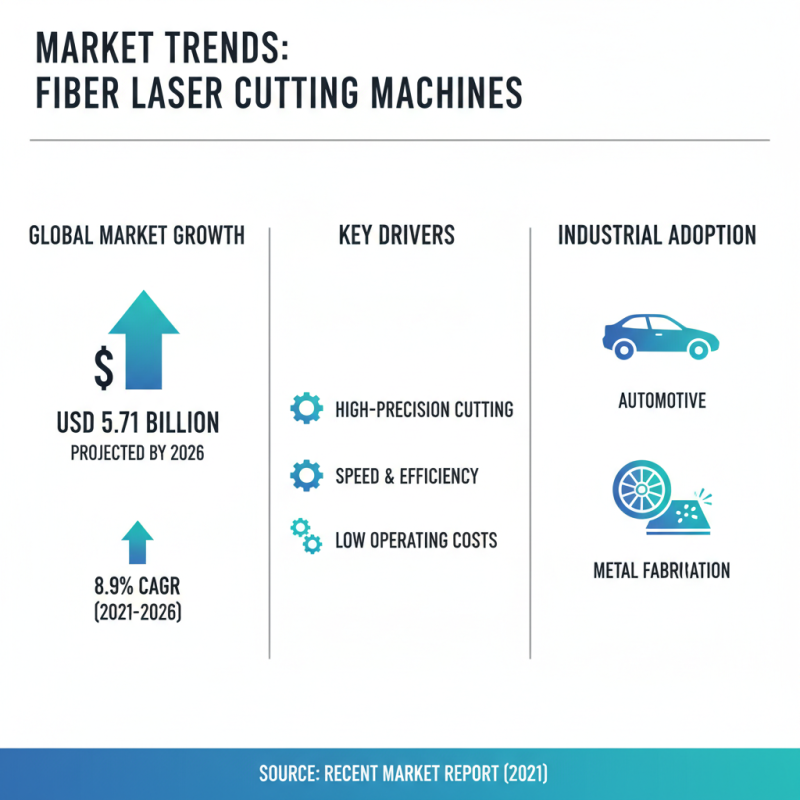
The industrial sectors are experiencing significant growth in the adoption of fiber laser cutting machines. According to a recent market report, the global fiber laser cutting machine market is projected to reach USD 5.71 billion by 2026, growing at a CAGR of 8.9% from 2021. This growth is driven by the increasing demand for high-precision cutting capabilities in industries like automotive, aerospace, and metal fabrication. The efficiency of fiber lasers, known for their speed and low operating costs, contributes to this trend.

However, integrating these machines into existing production lines can present challenges. Companies might face initial high costs and require adequate training to maximize their potential. A survey revealed that 37% of users reported difficulties in fully utilizing their fiber lasers due to a lack of skilled operators. Continued investment in workforce training can mitigate these issues and harness the full benefits of fiber laser technology.

**Tip: Always analyze your specific production needs before investing.** Assess how a fiber laser cutting machine can best serve your operations. Gather feedback from employees who will operate the machine to ensure proper implementation. By addressing these challenges upfront, businesses can enhance their efficiency and productivity in the long run.

Comparative Analysis: Performance Metrics of Fiber Laser Cutters in 2023

China Top 10 Fiber Laser Cutting Machines to Enhance Your Business Efficiency?

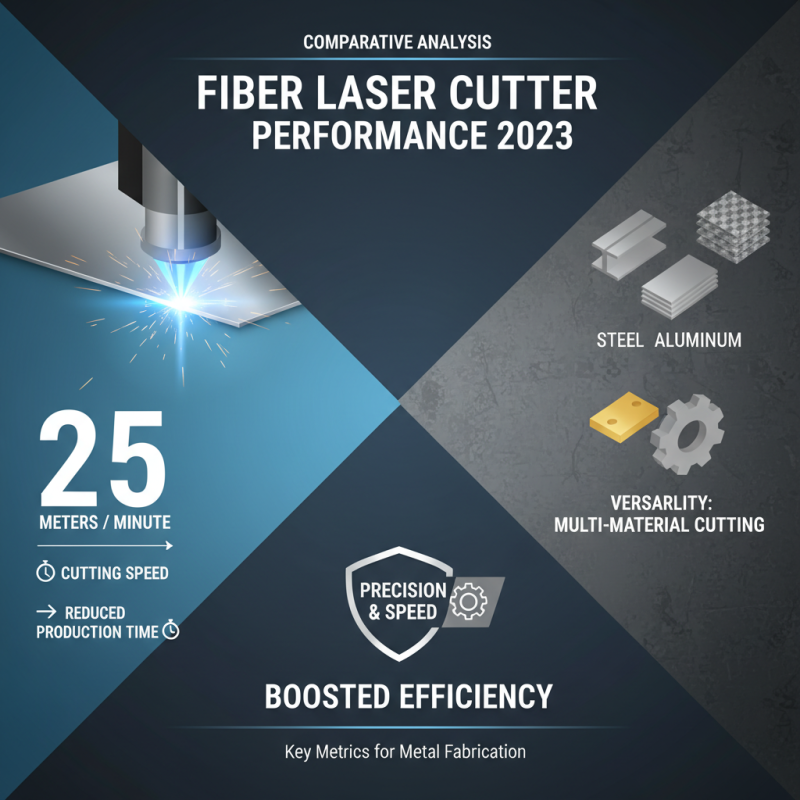
In 2023, the performance metrics of fiber laser cutting machines have become crucial for businesses aiming to boost efficiency. These machines offer unmatched precision and speed, critical for sectors like metal fabrication. A cutting speed of 25 meters per minute can significantly reduce production time. Moreover, the ability to cut through various materials increases versatility.

However, not all fiber laser cutting machines deliver consistent performance. Some may excel in speed but lack in cutting thickness. Others may struggle with material variety. It’s vital to evaluate the overall effectiveness rather than just focusing on one metric. Customer feedback reveals that reliability remains a common concern. When machines frequently require maintenance, it hampers productivity.

Investing in high-quality machines is crucial, yet the landscape is complex. The right choice depends on specific business needs. Conducting a comparative analysis aids in making informed decisions. Information on energy efficiency and operational costs also plays a significant role. The right machine should balance performance metrics with reliability, ensuring long-term operational success.

Cost Efficiency: How Fiber Laser Technology Reduces Operational Expenses

In today's competitive landscape, fiber laser technology has emerged as a game-changer for businesses looking to enhance operational efficiency. One of the primary benefits is cost efficiency. By reducing operational expenses, companies can allocate resources to other critical areas. This cutting-edge technology consumes less energy compared to traditional laser cutting processes. Such savings can significantly impact the bottom line.

Tips: Invest in employee training to maximize equipment potential. Well-trained staff can reduce errors and speed up production.

Fiber lasers also have longer lifespans and require less maintenance. This translates to fewer downtimes and lower replacement costs over time. However, businesses must consider initial investment costs. Not every company may have the budget for state-of-the-art equipment. Assessing long-term gains against upfront spending is essential.

Tips: Evaluate your current cutting methods. Identify inefficiencies and explore how fiber lasers could address them.

Incorporating fiber laser technology can yield incredible results. It’s crucial to weigh the benefits against potential challenges. While improving efficiency is attractive, understanding the entire process and its implications is vital for sustainable growth.

Future Innovations: Upcoming Technologies in Fiber Laser Cutting Machines

Fiber laser cutting technology is evolving rapidly. Innovations in this field promise significant improvements in performance and efficiency. Upcoming advancements could include enhanced beam quality for sharper cuts and faster processing speeds. Features like real-time monitoring will help optimize operations and reduce waste.

Moreover, automation will play a significant role. Next-generation machines may integrate AI for predictive maintenance, preventing downtime. This capability allows for more efficient management of resources. Energy consumption is another area of focus. Future models may employ smart energy-saving features, further reducing operational costs.

However, adopting these innovations comes with challenges. The cost of new technology can be daunting for small businesses. Training employees to handle advanced systems is another hurdle. Companies must weigh the benefits against potential disruptions in their workflows. Decision-makers need to stay informed to ensure the investments are worthwhile.