Buying a laser-cut part is not just about comparing machine power or requesting the lowest price. Metal Laser Cutting results depend on material grade, sheet thickness, assist gas, cut geometry, and the supplier’s process control. A polished sample can look excellent under bright showroom lights, yet reveal rough edges or heat discoloration after production begins. Small details matter.
Laser-processing author John Powell’s published work offers a useful principle, paraphrased here: match the cutting process to the material. This guide turns that idea into seven practical checks for buyers, from confirming tolerances and kerf width to asking how the supplier handles burrs, nesting, and repeat orders. Request details, not just promises. A clear drawing and a representative test cut can expose problems before they affect a full batch. Still, no checklist can replace a real production review, and even experienced buyers sometimes overlook finish requirements. That is worth admitting. The following tips help you ask sharper questions, compare quotations fairly, and judge whether a supplier can deliver consistent parts—not merely an impressive first sample.
7 Metal Laser Cutting Tips Buyers Should Know?
How Metal Laser Cutting Works and What Buyers Should Expect
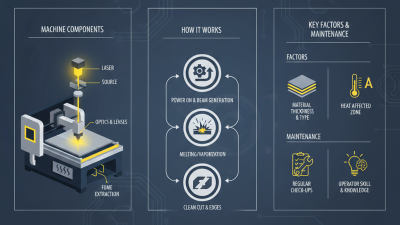
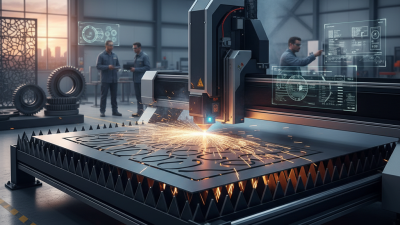
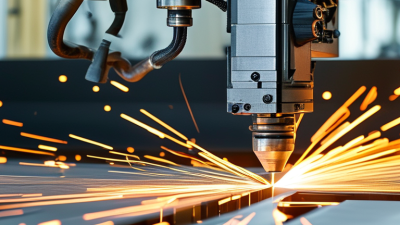
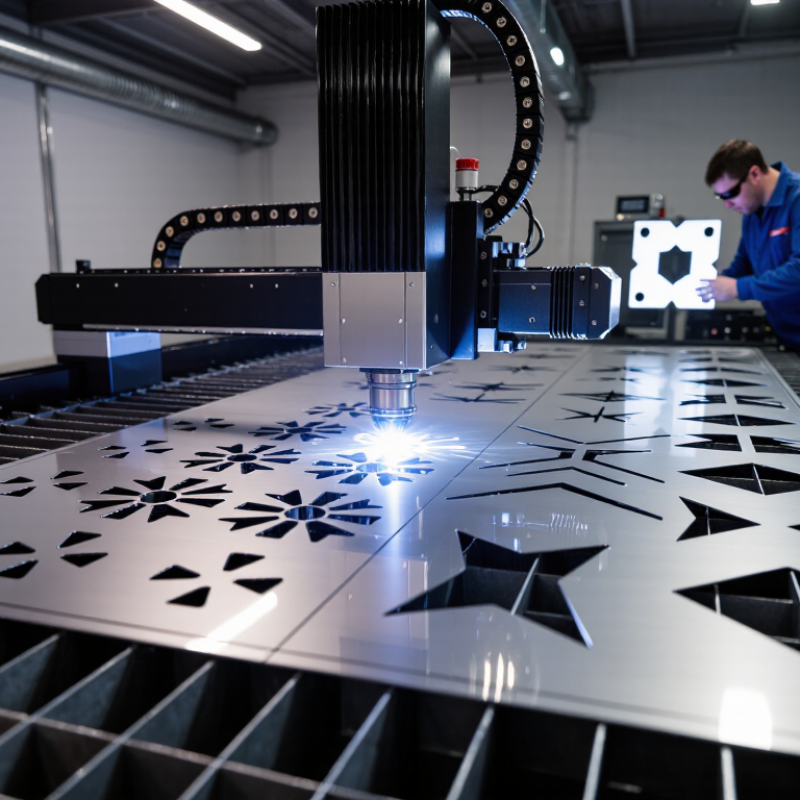
A laser cutter focuses intense light onto sheet metal, melting or vaporizing a narrow path. Assist gas clears the molten material, leaving a cut edge. The exact result depends on material grade, thickness, power, speed, and gas choice. Thin stainless steel may leave a clean edge; thicker plate can show more heat tint or burr. It is not magic. Buyers should request sample cuts when finish or fit matters.
The World Steel Association’s World Steel in Figures 2024 reports 1,892.2 million tonnes of crude steel production in 2023. That scale makes clear material selection matters: confirm the grade and thickness before comparing quotes. Ask what tolerances the supplier can hold across the full sheet, not just one test piece. Also clarify whether deburring, protective film removal, and dimensional inspection are included. A polished quote can still leave these details fuzzy.
Tips: Confirm material grade; specify thickness; share drawings with tolerances; ask about edge finish; check whether parts will be deburred; confirm quantity and delivery date; request a sample cut for critical features. One detail is easy to overlook: small holes or narrow slots may need different settings than long, straight cuts.
| Tip | How the process works | What buyers should check | What to expect |
|---|---|---|---|
| 1. Match the process to the material | A focused laser heats and melts or vaporizes material along a programmed path. An assist gas helps clear molten material from the cut. | Confirm the exact alloy, grade, surface coating, and material condition—not just whether the part is “steel” or “aluminum.” | Cutting speed, edge appearance, and suitable process settings vary by material. Reflective metals such as copper and brass may require equipment and settings suited to them. |
| 2. Confirm thickness and machine capacity | The laser’s power, optics, material type, and assist gas all affect how thick a sheet can be cut effectively. | Provide the material grade and thickness, and ask the supplier to confirm its workable range for that specific combination. | Maximum capacity is not the same as the best production range. Near a machine’s limit, cut speed and edge quality may decrease. |
| 3. Specify the edge-quality requirement | Cut settings influence the heat-affected zone, dross (re-solidified material on the edge), and surface discoloration. | State which edges are visible, functional, or hidden, and identify whether deburring or additional finishing is required. | Some parts may need light deburring or other post-processing. The required finish should be agreed before production. |
| 4. Allow for kerf and feature size | Kerf is the material removed by the cut. Its width depends on the material, thickness, laser setup, and cutting conditions. | Ask how kerf compensation is handled and confirm minimum hole, slot, and feature sizes for the specified thickness. | Very small features may not reproduce reliably at every thickness. A test cut or supplier review can help verify demanding details. |
| 5. Send clear, production-ready drawings | Cutting equipment follows a toolpath generated from a digital part file, while dimensions and tolerances define acceptance. | Provide a current 2D vector file or drawing, units, material and thickness, revision, critical dimensions, and required tolerances. | Tolerances depend on the part, material, thickness, and process. Do not assume a general tolerance unless it has been agreed in writing. |
| 6. Choose the assist gas with the application in mind | Oxygen, nitrogen, or compressed air may be used to help eject molten material; gas choice affects the cut and edge chemistry. | Ask which gas is proposed and whether the edge must be free of oxidation—for example, before welding, coating, or another finish. | Nitrogen is often selected when a cleaner, less oxidized edge is important; oxygen can support faster cutting in some mild-steel applications. Results vary by setup. |
| 7. Review nesting, quantity, and total cost | Nesting arranges parts on a sheet to reduce unused material. Setup, cutting time, material use, and finishing can all affect price. | Share the order quantity, material preferences, delivery date, and whether parts can be nested in a particular orientation. | Part geometry and batch size influence material utilization and production time. Compare quotes for the same specification and finishing scope. |
Buyer note: Capabilities, tolerances, edge quality, and lead times depend on the material, thickness, equipment, part geometry, and order requirements. Confirm these details with the fabricator before approving production.