Essential Guide to Tube Laser Cutting Machine for Global Buyers?
The interest in Tube Laser Cutting Machines continues to surge globally. According to industry reports, the market for laser cutting technology is expected to reach $8 billion by 2026, driven mainly by increasing demand in the automotive and aerospace sectors. These machines offer precision and efficiency unmatched by traditional cutting methods.
However, potential buyers should approach this technology with careful consideration. While Tube Laser Cutting Machines provide significant advantages, they come with a complex learning curve. Users must invest time to understand their operation fully. Moreover, the initial investment can be substantial, raising questions about return on investment in certain applications.
Understanding various machine specifications is crucial. Some models excel in speed, while others outperform in cutting thickness. Buyers should weigh these factors carefully. The right Tube Laser Cutting Machine can enhance production capabilities, but not all machines fit every industrial need. It's essential to reflect on your specific requirements before making a decision.
Overview of Tube Laser Cutting Machines: Features and Applications
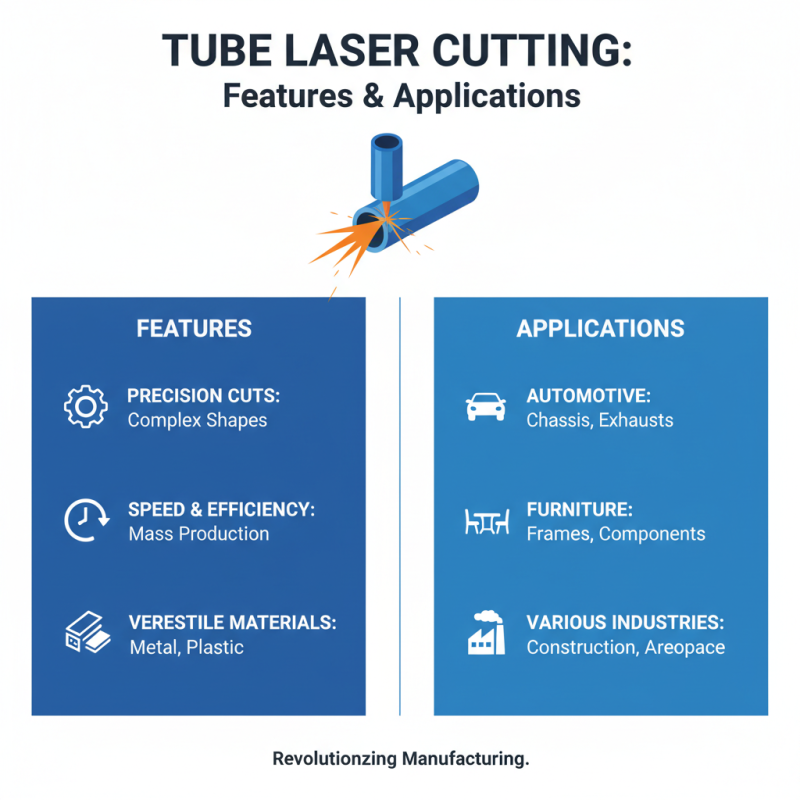
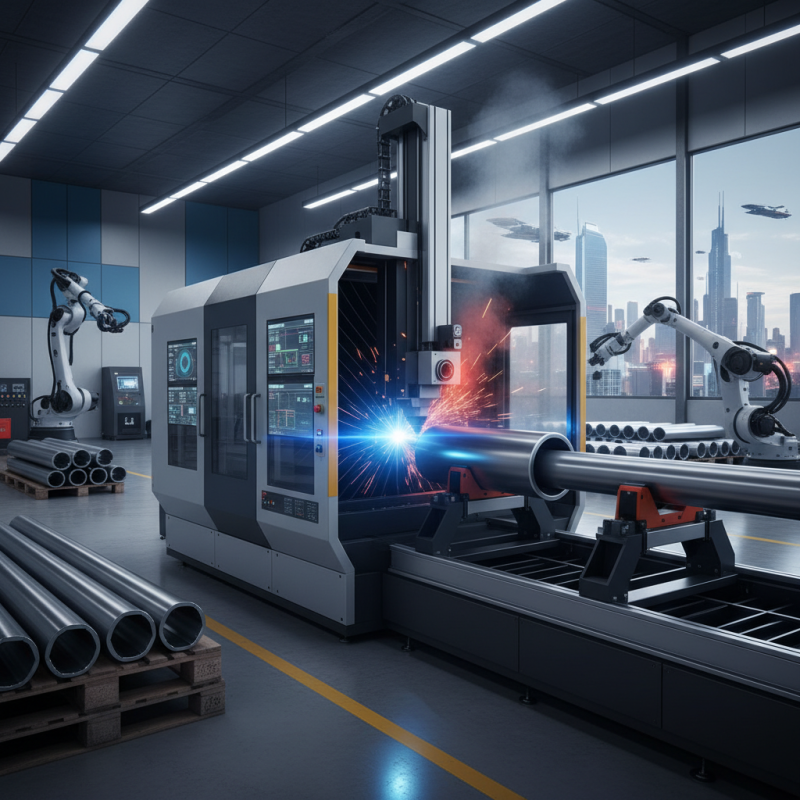
Tube laser cutting machines have revolutionized the manufacturing landscape. These machines can cut various materials, such as metal and plastic. The precision of the cuts is remarkable. They create complex shapes that traditional methods struggle with. Speed and efficiency are significant advantages, making them ideal for mass production. Many industries, including automotive and furniture, use these machines extensively.
One notable feature of tube laser cutting is its versatility. The machines can handle different tube diameters and wall thicknesses. This flexibility makes them suitable for custom projects. However, users must be mindful of the machine’s optimal settings for different materials. Not every configuration will yield perfect results.
Applications of tube laser cutting are growing. Designers appreciate the freedom in creating intricate designs. However, there is a learning curve. Operators must understand technology and its limits. Mistakes can lead to wasted materials. It’s essential to invest time in training and experimentation for the best outcomes. This investment ensures that the machine operates at full potential.
Key Components of Tube Laser Cutting Machines Explained
When exploring tube laser cutting machines, understanding their key components is crucial. These machines often include a laser source, CNC system, and a cutting head. The laser source primarily determines the energy output and cutting speed. Various types of lasers, like fiber and CO2, serve different purposes and materials. The CNC system controls the movement and precision of the cutting process.
The cutting head is an essential part that dictates the quality of the cut. It must handle different material thicknesses and shapes. The lens and nozzle within the head influence the focus and speed of the laser. A well-designed cutting head can enhance efficiency and reduce operational costs.
Tips: Regular maintenance of components like the cutting head and lens is vital for consistency. Ignoring small wear and tear can lead to larger issues. Moreover, calibrating the CNC system helps maintain precision over time. Always keep an eye on the laser source’s performance; changes may indicate underlying problems. Continuous learning about advancements in technology can improve operations significantly.
Essential Guide to Tube Laser Cutting Machine for Global Buyers
| Component |
Description |
Functionality |
Material Compatibility |
| Laser Source |
The core unit that generates the laser beam. |
Plays a crucial role in the cutting quality and speed. |
Steel, aluminum, brass, and more. |
| Cutting Head |
Contains optics that focus the laser beam onto the material. |
Ensures precise and efficient cutting. |
Compatible with various tube materials. |
| Motion System |
Initiates movement of the cutting head and the tube. |
Facilitates accurate positioning and speed control. |
Can handle various tube lengths and shapes. |
| Control Software |
The interface for setting cutting parameters and designs. |
Enables customization and efficiency of cuts. |
Supports multiple file formats and designs. |
| Cooling System |
Maintains optimal operating temperatures for the laser. |
Prevents overheating and ensures consistent performance. |
Essential for high-power operations. |
Benefits of Using Tube Laser Cutting Technology in Manufacturing
Tube laser cutting technology revolutionizes manufacturing. It offers precision, speed, and efficiency. According to a report by Markets and Markets, the global tube laser cutting market is expected to reach $600 million by 2025. This growth indicates its increasing adoption across various industries.
One key benefit of tube laser cutting is its ability to cut complex shapes accurately. This precision minimizes waste, making the manufacturing process more sustainable. The technology also allows for faster production times, which boosts overall productivity. A study by Lasers in Manufacturing confirms that tube laser cutting can enhance operational efficiency by up to 30%.
Tips: When considering tube laser cutting, evaluate your specific needs. Identify materials you will use and the shapes you need. Also, assess the learning curve for your team. Training is crucial for maximizing the benefits of this technology. Tube laser cutting may require initial investment, but the long-term savings can be substantial. Reflecting on your operations can lead to better integration and performance.
This chart illustrates key performance benefits of tube laser cutting technology in manufacturing. High precision, fast cutting speeds, significant material waste reduction, low energy consumption, and minimal maintenance downtime contribute to its growing adoption in global industries.
Maintenance and Safety Practices for Tube Laser Cutting Systems
Tube laser cutting systems require regular maintenance to ensure optimal performance. Industry studies indicate that proper upkeep can reduce operational downtime by up to 30%. Regular checks on laser alignment and mirrors can significantly enhance cutting accuracy. Yet, many facilities still overlook these aspects, risking inefficiencies.
Safety practices are equally crucial. Operators should wear appropriate protective gear, including safety glasses and gloves. Reports suggest that nearly half of all accidents in laser cutting environments stem from inadequate safety measures. Additionally, fire hazards are a serious concern; ensuring proper ventilation can mitigate risk. A lack of training on emergency protocols could have dire consequences.
Engaging employees in safety and maintenance training is often neglected. Establishing a routine maintenance schedule is not just a safety measure; it is a critical business practice. Data shows that companies prioritizing these aspects report higher productivity and lower incident rates. However, implementing such systems requires commitment and resources, which can be challenging for some organizations.