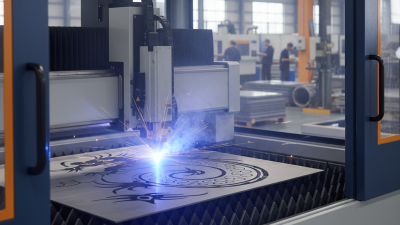
When searching for a reliable Metal Laser Cutting Machine, buyers often face a complex market. This technology has revolutionized the fabrication industry. From accuracy to speed, these machines offer various benefits that appeal to diverse sectors.
While many manufacturers claim superiority, not all machines meet expectations. Some may lack durability or precision. Buyers must consider their specific needs before making a decision. A detailed comparison of leading brands helps illuminate the options available.
Navigating this selection process can feel overwhelming. With so many models, understanding features like power, speed, and ease of use is crucial. Knowledge and experience in this field are invaluable, making informed decisions essential for any buyer in this competitive landscape.
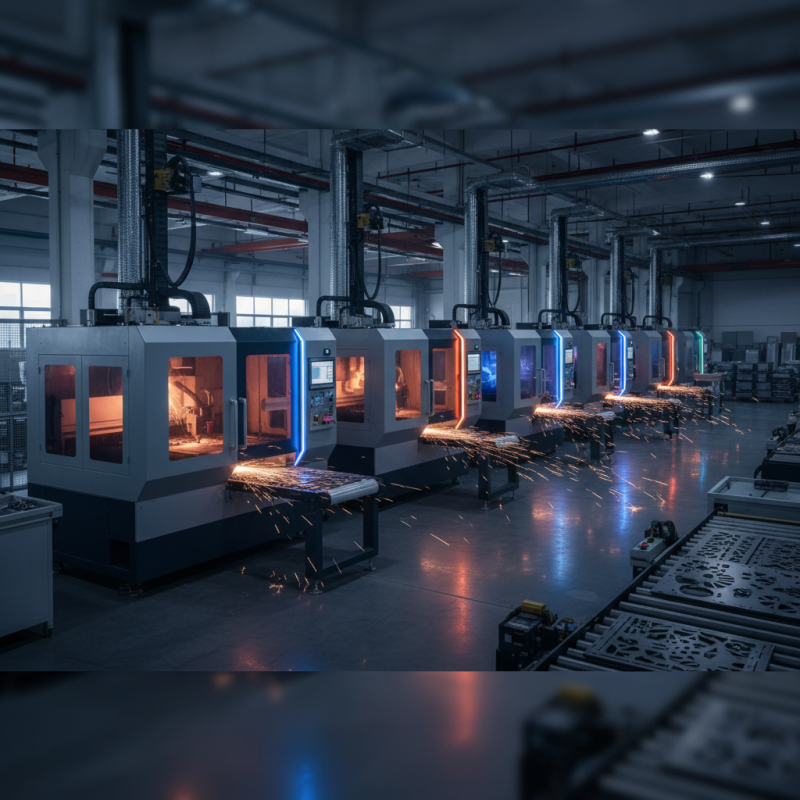
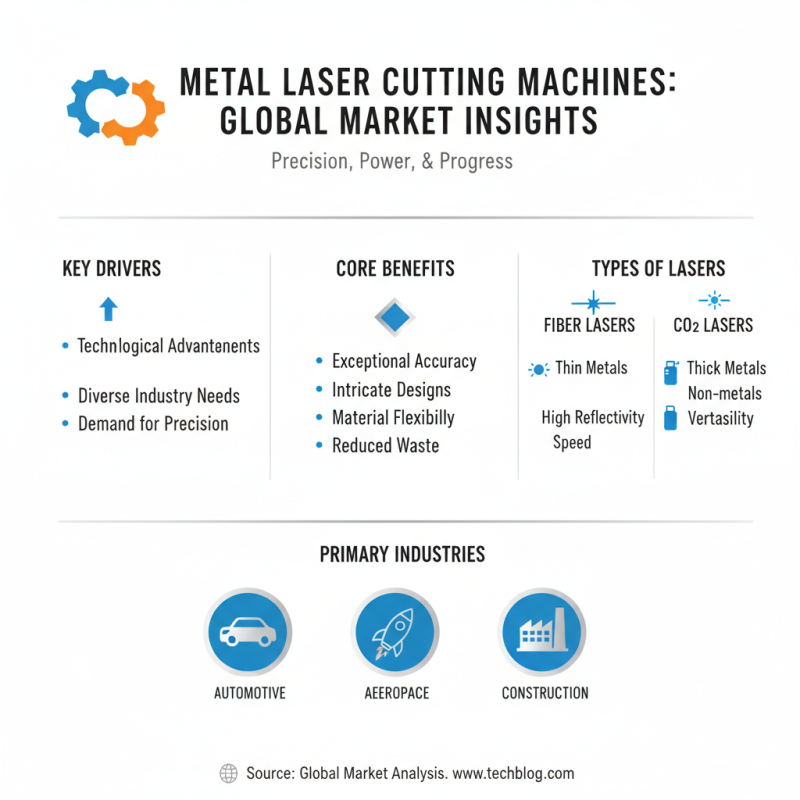
The global market for metal laser cutting machines continues to evolve, driven by technological advancements and diverse industry needs. Precision is a top priority for manufacturers. These machines offer exceptional accuracy, enabling intricate designs and cuts. Typically, they use fiber or CO2 lasers, each suited for different materials and thicknesses. The flexibility of these machines makes them ideal for industries such as automotive, aerospace, and construction.
Despite their capabilities, buyers often encounter challenges when selecting the right machine. Factors like cost, maintenance, and operational complexity must be considered. Finding a balance between quality and budget can be difficult. Potential users should also assess their specific needs before making a purchase. Adaptability to various workloads is crucial.
As the market expands, keeping up with trends becomes essential. Innovations in automation are changing how laser cutting machines operate. However, many machines still require skilled operators. Training can be an added expense. A thorough understanding of the technology is vital to maximize investment. Engaging with industry experts and accessing detailed resources can significantly impact purchasing decisions.
When selecting a metal laser cutting machine, several key features demand attention. The cutting power is paramount. Machines range from 500 watts to over 4000 watts. Higher wattage enables faster cuts and thicker materials. Consider how often you will work with various metal thicknesses.
Another important feature is the cutting area size. This varies widely, impacting the maximum size of materials you can process. A larger cutting area provides flexibility, especially for larger sheets. It’s crucial to balance your workspace and production needs.
Tips: Always assess the machine's speed. Cutting speed affects production efficiency. Also, check for user-friendly interfaces. A machine that is difficult to operate can hinder workflow and productivity.
Quality of the optical components matters as well. High-quality lenses and mirrors improve cutting precision and reduce maintenance needs. Ask about after-sales support and service. A reliable manufacturer should provide accessible customer service. Keep in mind that maintenance is critical; poor upkeep can lead to costly downtimes.
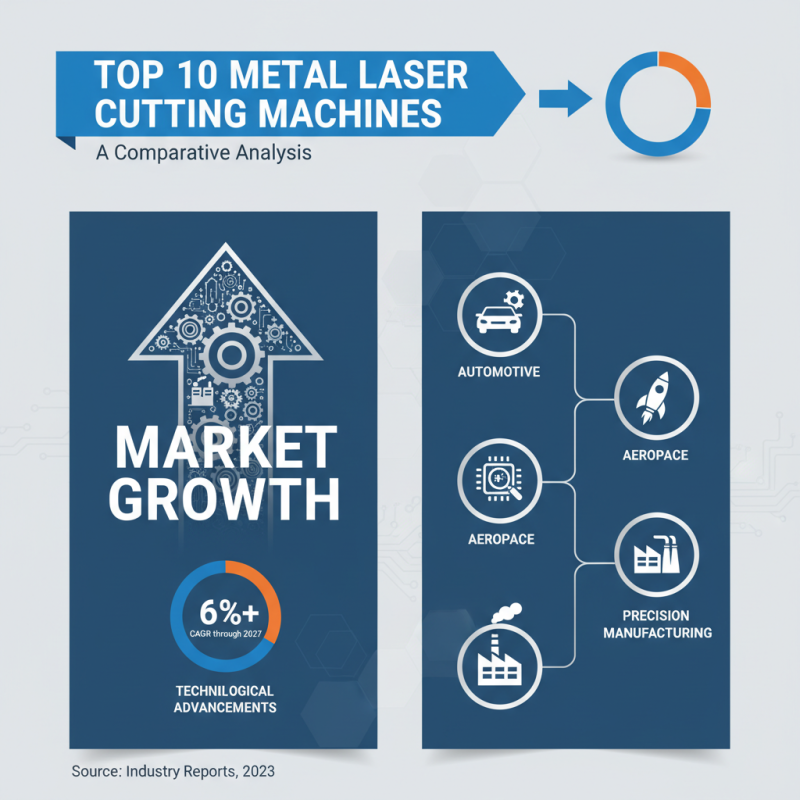
The metal laser cutting industry is witnessing rapid technological advancements. Recent reports reveal that the market size for laser cutting machines is expected to grow at a CAGR of over 6% through 2027. This growth reflects the increasing demand for precision in various sectors, from automotive to aerospace.
A comparative analysis of top metal laser cutting machines highlights critical factors. For instance, power output remains a significant aspect. Machines with varying wattages offer different cutting speeds and material compatibility. High-power machines cut through thicker materials more efficiently but may require greater investment. It's essential to balance efficiency with budget constraints.
Another factor to consider is automation features. Many models now include integrated software for enhanced operational efficiency. While these features increase productivity, they can complicate setup and maintenance. Potential buyers must weigh the benefits of automation against the potential learning curve for their workforce. Thus, understanding specific operational needs and capabilities is crucial for optimal selection.
Metal laser cutting machines have transformed various industries by providing precision and efficiency. These machines serve a wide range of applications, from manufacturing automotive components to crafting intricate designs in architecture. The ability to cut through various metals easily allows for creative solutions in design and production processes.
In the automotive sector, metal laser cutting machines play a pivotal role. They create complex parts with tight tolerances. This capability ensures that each piece fits seamlessly into the final assembly. Similarly, in the aerospace industry, they are essential for fabricating lightweight yet robust components that enhance fuel efficiency.
Tips: Always assess the specific needs of your project before selecting a machine. Consider the thickness of the material and the type of metal you will work with. Regular maintenance is also crucial to ensure optimal performance over time.
In construction and fabrication, metal laser cutting offers endless possibilities. Custom architectural elements can be designed and executed with high accuracy. Artists also benefit by using these machines to translate their visions into tangible pieces. Yet, it's vital to understand the limitations of these technologies. Sometimes, intricate designs may require multiple passes, adding time to the process.
Tips: Explore educational resources about laser cutting before investing. Understanding the technology will help maximize the benefits for your applications. Proper training for operators is vital to maximize machine efficiency.
| Machine Model | Max Cutting Thickness (mm) | Laser Power (W) | Cutting Speed (m/min) | Industry Applications |
|---|---|---|---|---|
| Model A1 | 25 | 5000 | 20 | Automotive, Aerospace |
| Model B2 | 20 | 3000 | 15 | Shipbuilding, Metal Fabrication |
| Model C3 | 30 | 6000 | 25 | Construction, HVAC |
| Model D4 | 15 | 4000 | 10 | Art, Advertising |
| Model E5 | 22 | 7000 | 30 | Electronics, Jewelry |
| Model F6 | 18 | 3500 | 12 | Manufacturing, Furniture |
| Model G7 | 28 | 8000 | 35 | Rail, Machinery |
| Model H8 | 32 | 6500 | 22 | Energy, Oil & Gas |
| Model I9 | 12 | 2000 | 8 | Prototype Development |
| Model J10 | 10 | 2500 | 6 | Small Parts, DIY |
As metal laser cutting technology advances, market demand sees a significant uptick. According to a recent market analysis, the global laser cutting machine market size was valued at approximately $4 billion in 2022. This figure is expected to grow at a compound annual growth rate (CAGR) of around 6% from 2023 to 2030. The increasing need for precision in manufacturing drives much of this growth. Industries such as automotive and aerospace are leading the charge, emphasizing the value of accuracy and speed.
The adaptation of fiber laser technologies presents a major trend. Reports indicate that fiber lasers are 2-3 times more efficient than traditional CO2 lasers. This leads to lower operational costs and higher productivity. Companies are investing in automation, integrating AI for real-time adjustments and enhanced efficiency. However, there remains a gap in workforce skills, which can hinder widespread adaptation. Entrepreneurs often overlook the necessary training for such sophisticated technology. Addressing this issue will be crucial to meet the rising demands in the marketplace and ensure sustainable growth.