Top 10 Laser CNC Machines for Precision Manufacturing Needs?
In the evolving landscape of manufacturing, precision is paramount. The adoption of Laser CNC machines has transformed production efficiency. Recent industry reports indicate that the global laser cutting market is projected to reach $4.50 billion by 2025, growing at a CAGR of 7.5%. This growth underscores the importance of these machines in modern manufacturing.
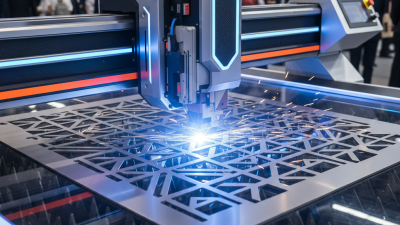
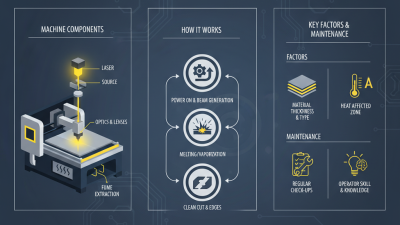
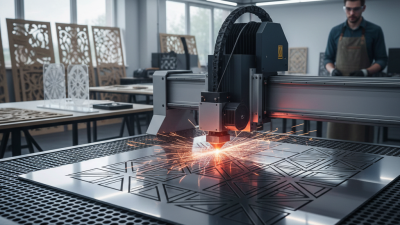
Laser CNC machines offer exceptional accuracy, making them indispensable for various industries, including aerospace and automotive. They can cut, engrave, and mark materials with minimal waste. However, integrating them into existing workflows is not without challenges. Each machine has unique requirements and operational nuances that can affect productivity and maintenance.
Despite their advantages, not all Laser CNC machines are created equal. Some may not meet specific manufacturing needs effectively. Evaluating the best options can be daunting, given the plethora of choices available today. This guide aims to provide insights into the top models, assisting professionals in selecting the right Laser CNC machine for their precision manufacturing needs.
Overview of Laser CNC Machines in Precision Manufacturing
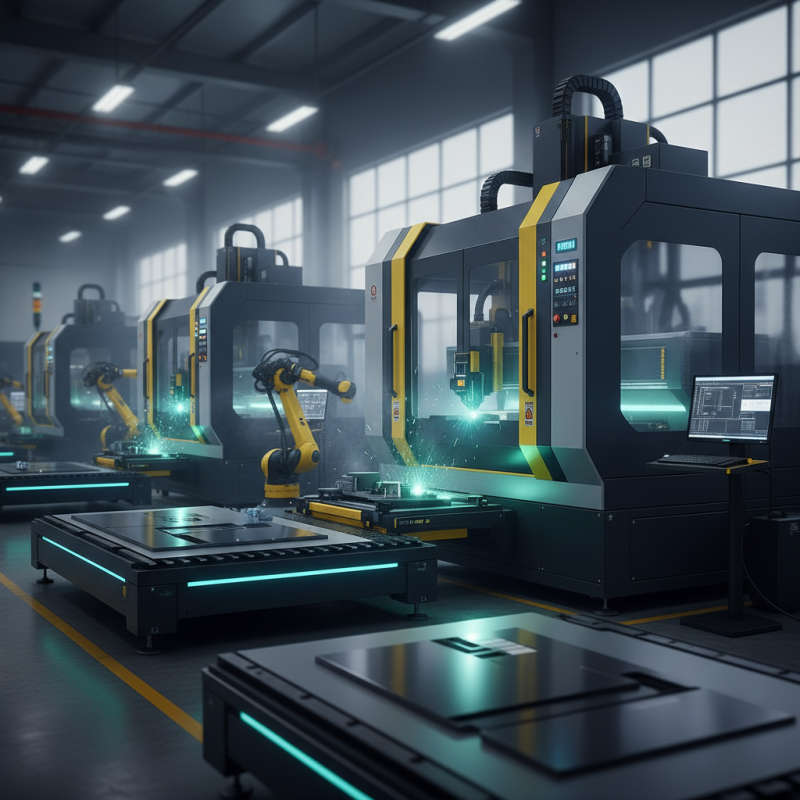
Laser CNC machines are crucial in modern precision manufacturing. They offer outstanding accuracy and flexibility. According to a report from the International Federation of Robotics, the adoption of laser cutting technology has increased by over 25% in the past five years. This surge highlights the growing demand for precision in various industries.
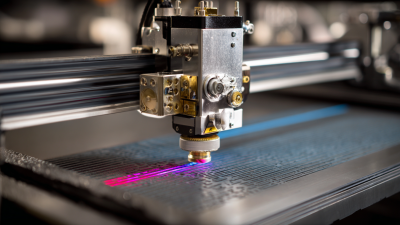
The ability of laser CNC machines to cut and engrave a wide range of materials is significant. For instance, they handle metals, plastics, and composites with ease. The precision often reaches ±0.01 mm, which is vital for intricate designs. However, maintaining such precision can be challenging. Factors such as machine calibration and material inconsistency must be addressed.
Despite their advantages, laser CNC machines also have limitations. They may struggle with thicker materials, reducing efficiency. Moreover, operators require specialized training to maximize their capabilities. A study by the American Society of Mechanical Engineers indicates that approximately 30% of users encounter difficulties in optimal machine operation. Addressing these challenges is essential for effective utilization in precision manufacturing.
Key Features to Consider When Choosing a Laser CNC Machine
When selecting a laser CNC machine, precision is paramount. Effective machines feature advanced technology for accurate cutting and engraving. High-quality optics ensure efficient laser focus, which enhances performance in detailed tasks. Pay attention to the machine’s engraving speed and power settings. These elements directly affect production quality and turnaround time.
Another key consideration is software compatibility. Intuitive software simplifies designing and programming. It should be user-friendly, allowing for adjustments without extensive training. Explore customer support options from the manufacturer. Reliable support can greatly reduce downtime.
Materials capability also matters. Different machines handle various materials, like wood, metal, or acrylic. Understanding your specific production needs is crucial. Some machines may not perform well with thicker materials or intricate designs. Performance can vary significantly across models. Always assess your immediate requirements against potential future demands.
Top 10 Laser CNC Machines Comparison
Top 10 Laser CNC Machines: A Comprehensive Comparison
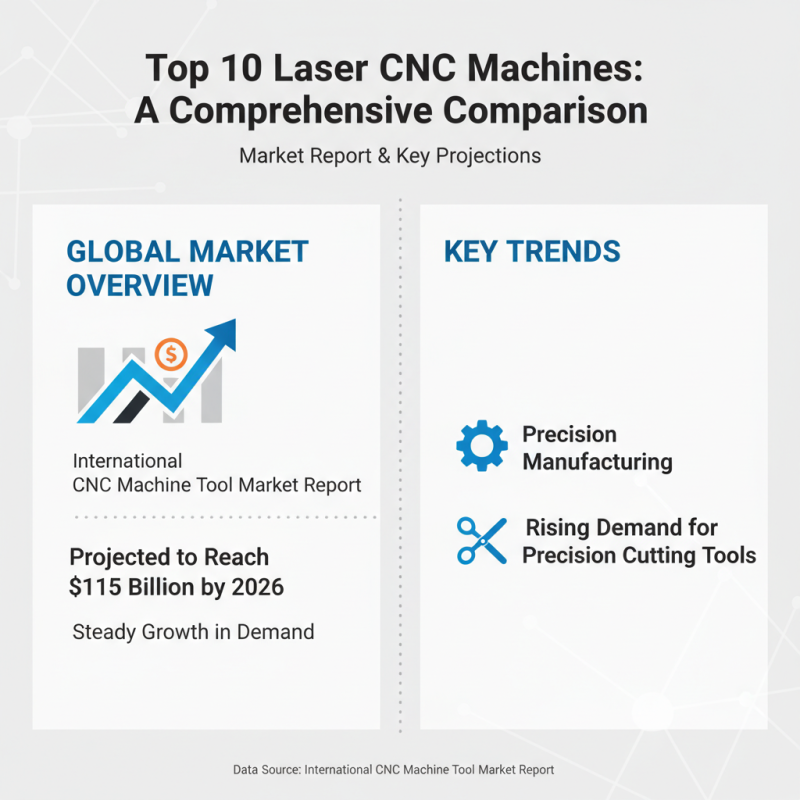
When exploring laser CNC machines for precision manufacturing, a comprehensive comparison highlights key aspects. The market report by the International CNC Machine Tool Market suggests steady growth. It's projected to reach $115 billion by 2026, emphasizing rising demand for precision cutting tools.
Laser CNC machines stand out for their efficiency and accuracy. They can achieve tolerances within ±0.001 inches, making them suitable for intricate designs. Data from industry analysts indicate that over 50% of manufacturers now prefer laser technology for metal fabrication. This shift reflects the need for enhanced operational precision.
However, not all machines meet the required standards. Some may lack the necessary power levels, resulting in incomplete cuts. Users must reflect on machine capabilities before investing. Noise levels and energy consumption are additional factors that affect user experience. Choosing the right machine requires careful evaluation of specifications and user requirements.
Applications of Laser CNC Machines in Various Industries
Laser CNC machines play a crucial role in many industries today. Their precision allows for intricate cuts and designs. From aerospace to automotive, these machines enhance production capabilities. In the medical field, lasers are used for creating surgical instruments. Their accuracy is vital for ensuring patient safety.
In the furniture industry, laser CNC machines help create detailed patterns and carvings. Artisans can produce custom designs that were once difficult to achieve. The textile sector also benefits, with lasers cutting fabrics precisely and efficiently. However, operating these machines requires skilled personnel. Training is essential, as mistakes can lead to material waste.
The electronics industry relies on laser CNC for creating precise circuit boards. Any slight error can result in product failures. Designers and engineers must constantly refine their techniques. Despite advancements, challenges remain in material compatibility and machine maintenance. Continuous learning and adjustment are keys to success in this fast-evolving field.
Future Trends in Laser CNC Technology for Precision Manufacturing
As laser CNC technology evolves, it continues to shape precision manufacturing. Latest reports indicate that the demand for laser CNC machines is increasing, projected to reach a market size of $5.5 billion by 2025. This growth highlights the industry's reliance on precision and efficiency. Manufacturers are adopting laser technology for materials like metal, wood, and plastic, boosting productivity significantly.
However, challenges remain. Many companies still struggle with integrating advanced laser CNC systems into existing workflows. Training staff to operate sophisticated machines is vital but often overlooked. A survey by manufacturers showed that 40% of firms face difficulties in skill acquisition. This gap can hinder the potential of laser CNC machines in streamlining production processes.
Looking ahead, automation and artificial intelligence will drive the future of laser CNC technology. Reports suggest that these innovations can enhance accuracy by 30%. Nonetheless, the transition is not without hurdles. Companies must invest in infrastructure and training to maximize benefits. Ignoring these needs can lead to underutilization of technology, ultimately affecting competitiveness in the market. The path to greater efficiency in precision manufacturing will require thoughtful planning and adaptation.