What is a Metal Laser Cutting Machine and How Does It Work?
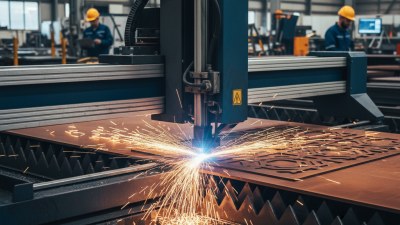
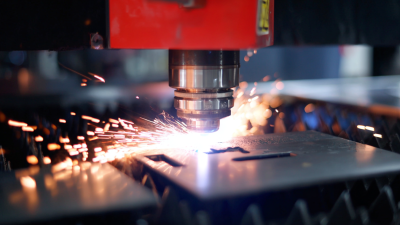
A Metal Laser Cutting Machine is a powerful tool in modern manufacturing. It harnesses the precision of laser technology to cut through various metal materials. The machine emits a focused beam of light, capable of melting or vaporizing metal. This makes it efficient for tasks ranging from intricate designs to bulk production.
These machines operate by directing the laser beam onto the metal's surface. As the beam moves, it creates a high-temperature area, leading to excellent cuts. The process is quick and results in clean edges, reducing the need for secondary machining. However, operating the Metal Laser Cutting Machine requires skill and knowledge. Mistakes can lead to wasted materials and time.
While the technology is impressive, it's not without its challenges. Factors like metal thickness and type can affect outcomes. Some users may overlook the importance of regular maintenance. Developing a deeper understanding of the machine's capabilities can enhance performance.
Definition of a Metal Laser Cutting Machine
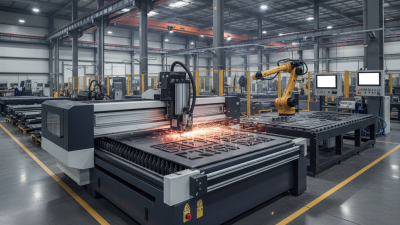
A metal laser cutting machine is a powerful tool used in various industries. It utilizes concentrated laser beams to cut through metal sheets, shaped materials, and profiles. The process is precise and efficient, allowing for intricate designs and high-quality finishes. Operators place metal on the machine bed. The laser cutter then emits a focused beam, melting or vaporizing the metal.
One of the key advantages of a metal laser cutting machine is its flexibility. It can cut a variety of metals, from stainless steel to aluminum. This versatility makes it popular among manufacturers and fabricators. However, the technology can be costly to maintain. Regular servicing is essential to ensure optimal performance. Inexperience can lead to errors, like misalignment or incorrect settings.
The technology operates on complex principles. Focused light must be calibrated to ensure accuracy. Sometimes, users may overlook basic maintenance, leading to subpar cutting quality. Moreover, operator skill plays a crucial role. Novices might struggle to achieve the desired results. This highlights the need for training and practice.
Principles of Laser Cutting Technology
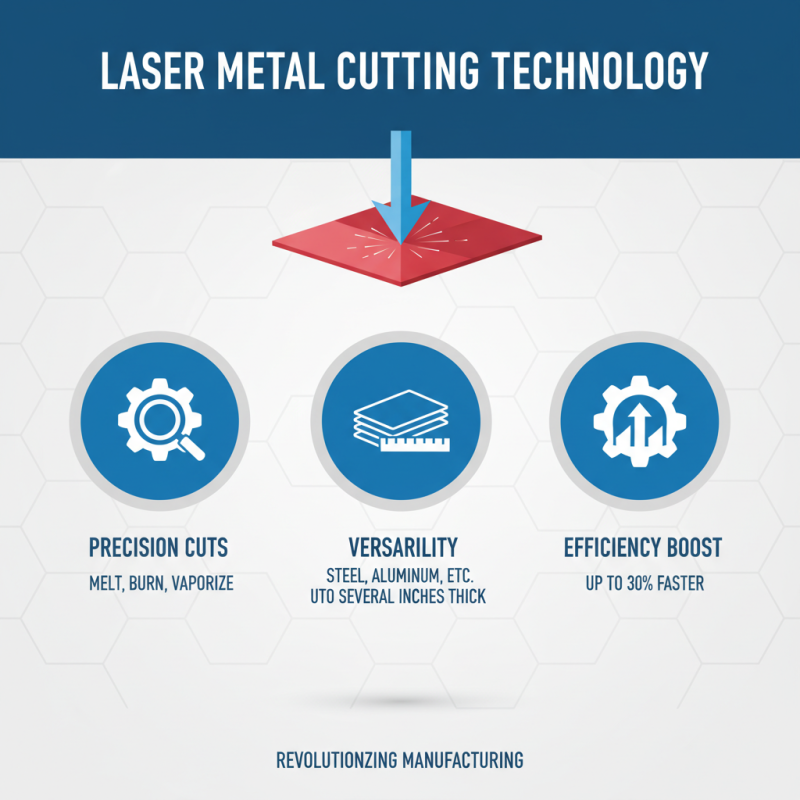
Laser cutting technology has revolutionized the way metals are processed. This method uses focused laser beams to melt, burn, or vaporize material. The precision is remarkable. It can cut through sheets of steel, aluminum, and other metals with a thickness of several inches. Reports indicate that this process improves efficiency in manufacturing by up to 30%.
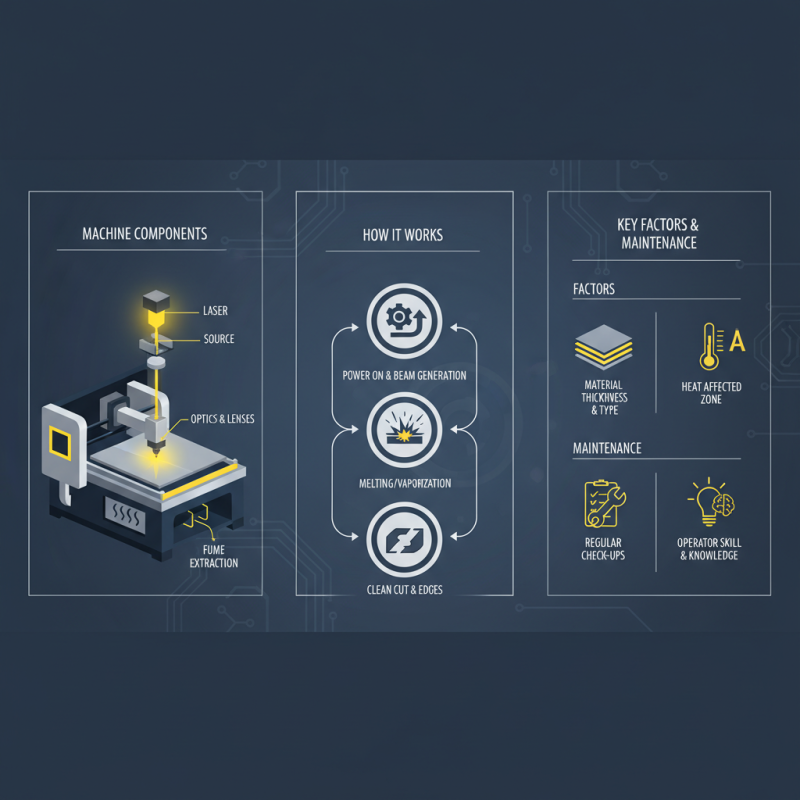
These machines operate based on the principles of optics and thermodynamics. A powerful laser is directed through a lens, focusing the beam on the workpiece. The laser's heat causes rapid melting or vaporization. The gas assists in removing molten material, ensuring a clean cut. This process is highly adaptable, allowing various designs and shapes to be achieved with ease.
**Tip:** When selecting a laser cutting machine, consider the power output. Higher wattage can lead to faster cutting speeds and thicker material handling.
However, not all materials respond equally to laser cutting. Some may produce harmful gases when heated. Proper ventilation is crucial. Operators should also ensure that safety protocols are followed to avoid accidents. Such oversight can have significant consequences, impacting both productivity and safety.
Components and Mechanisms of Laser Cutting Machines
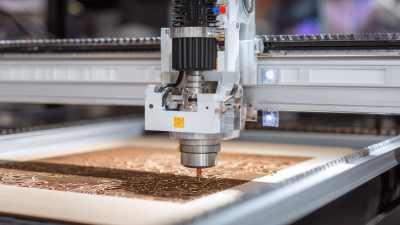
Metal laser cutting machines are incredibly sophisticated tools. They utilize high-powered lasers to cut through various types of metal with precision. The main components include the laser source, motion system, and focusing lens. Each part plays a critical role in the cutting process. The laser source generates the beam, while the motion system directs it across the material.
The focusing lens narrows the beam, enhancing its intensity. Together, they create a fine point of energy that melts or vaporizes metal. In practice, this technology allows for intricate designs and clean edges. However, poor alignment can lead to uneven cuts. Machine calibration is essential for optimal performance.
Tips for users: Regular maintenance of the machine is key. Check the lens frequently for cleanliness. A dirty lens can reduce cutting efficiency. Additionally, always ensure the metal surface is free from debris. This simple step can prevent complications during cutting. Remember to track the machine's performance over time. Noticing small changes early can save time and resources.
Applications of Metal Laser Cutting in Various Industries
Metal laser cutting technology is revolutionizing various industries. It is highly efficient and precise. This process uses focused laser beams to cut through metal sheets. Manufacturers benefit from reduced waste and lower costs. It allows for intricate designs that were once impossible.
In the automotive sector, laser cutting is key for making parts. It ensures every piece fits perfectly. This precision impacts performance and safety. The aerospace industry relies on it too, needing lightweight, durable components. Yet, challenges remain. The high setup costs can deter smaller companies. Skills are also essential. Operators require training to handle the machines effectively.
Construction uses laser cutting for steel elements. This adds strength without excess weight. However, safety concerns arise, as working with lasers demands strict protocols. A small mistake can lead to hazards. Reflection on these points is crucial. The benefits are clear, but the risks and costs must be addressed.
Benefits and Limitations of Using Laser Cutting Technology
Laser cutting technology has gained popularity in various industries. It uses a focused beam of light to cut through metal materials. This method offers precision and efficiency, making it a preferred choice for many applications. The ability to create intricate designs and sharp edges is impressive. However, it’s essential to consider both the benefits and limitations of this technology.
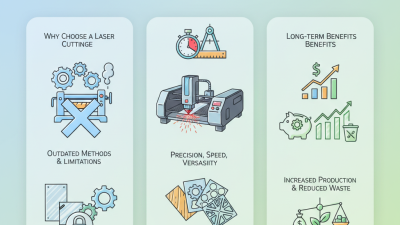
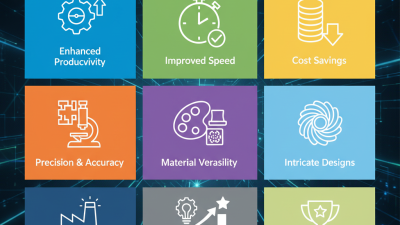
One significant benefit is the speed of the cutting process. Laser machines can operate at high speeds, reducing production time. Additionally, they generate minimal waste due to their accuracy. This aspect can lead to cost savings. Moreover, laser cutting can handle various thicknesses of metal, making it versatile. However, the initial investment can be high. For small businesses, this upfront cost is often a barrier.
Another limitation is the heat affected zone. This area may alter the properties of the material. It can lead to unintentional warping or weakening of the metal. Operators must be skilled to manage these risks. Lastly, while laser cutting is precise, complexities arise when dealing with reflective materials. These challenges require thoughtful solutions. Overall, weighing these benefits and limitations is crucial for effective decision-making.
Benefits and Limitations of Metal Laser Cutting Technology