What is Laser Cutting and How Does It Work?
Laser cutting has revolutionized the manufacturing industry. This technology uses a high-powered laser to cut materials with precision. James Parker, a leading expert in laser technology, once stated, "Laser Cutting transforms raw materials into art through precision."
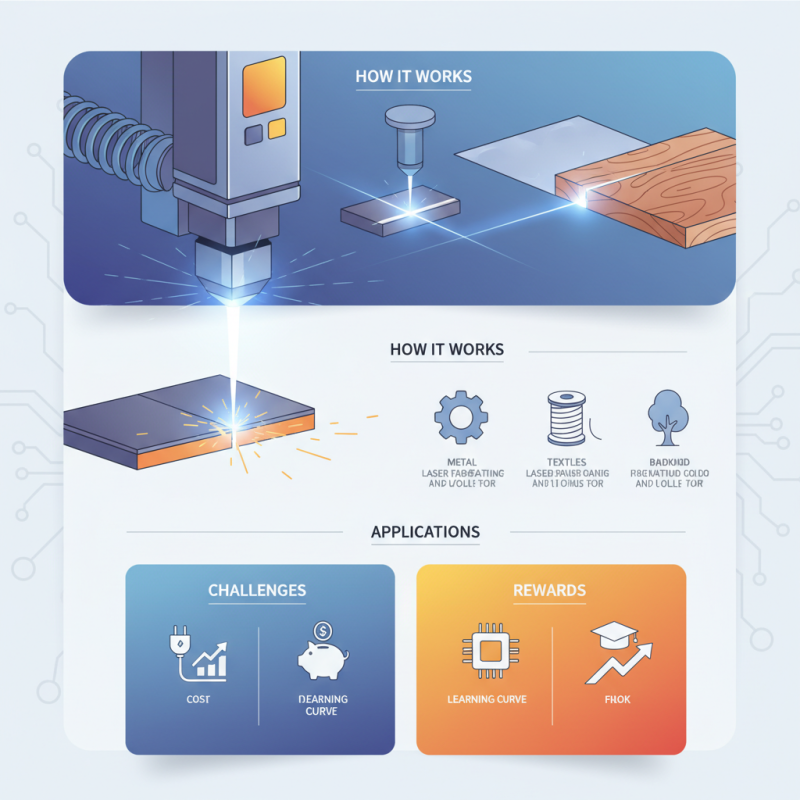
The process begins with focusing the laser beam onto the material. This intense heat melts or vaporizes the material, creating a clean cut. Laser cutting is widely used in metal fabrication, textiles, and even woodwork. However, it does require careful calibration and maintenance.
Despite its advantages, laser cutting is not without challenges. High energy consumption and initial equipment costs can be hurdles for many businesses. Additionally, understanding the intricacies of different materials can take time. The learning curve is steep, but the rewards of mastering laser cutting can be significant.
What is Laser Cutting?
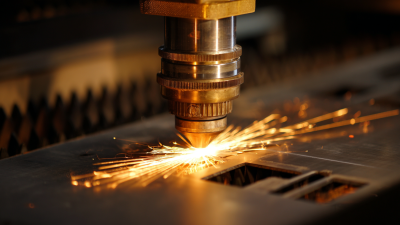
Laser cutting is a precise technique for cutting materials using focused laser beams. It works by directing high-energy lasers onto the surface of a material, generating intense heat that melts or vaporizes it. This method can be applied to various materials, including metals, plastics, and wood. The process allows for intricate designs and clean edges.
The technology behind laser cutting is fascinating. A computer controls the laser's movement while following a digital design. This setup enables high levels of customization and repeatability. However, the equipment can be costly and requires trained personnel. Small businesses may find it challenging to invest in such technology. It's essential to consider these factors when exploring laser cutting as an option.
While laser cutting offers many benefits, there are drawbacks, too. Material thickness and type can limit cutting efficiency. The heat generated can cause warping or undesirable changes in the material. These aspects should be evaluated carefully. Striking a balance between precision and cost-effectiveness is crucial for successful outcomes in laser cutting projects.
Principles of Laser Cutting Technology
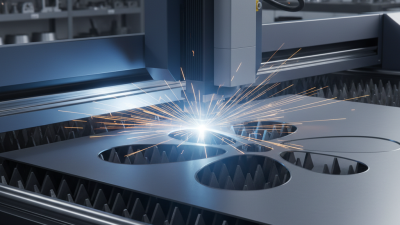
Laser cutting is a precise technology used in manufacturing and design. It operates on the principle of focusing a high-powered laser beam onto materials. This intense energy vaporizes or melts the material, creating clean cuts with minimal heat-affected zones. According to industry reports, laser cutting can achieve tolerances of ±0.001 inches, making it ideal for detailed projects.
One of the fundamental principles of laser cutting is the type of laser used. CO2 lasers are commonly employed for non-metal materials, while fiber lasers excel in cutting metals. The choice directly impacts efficiency and cut quality. Furthermore, the cutting speed can vary significantly depending on material thickness and laser power. For example, cutting through mild steel can take an average of 3 to 10 meters per minute, depending on the settings.
Tips: Always consider the material's properties before selecting cutting parameters. Testing on a sample piece can save time and resources. Additionally, ensure proper ventilation during laser cutting to avoid the build-up of harmful fumes. Understanding these principles can yield better results, yet it’s essential to continuously learn and adjust processes to enhance outcomes. Regular maintenance of equipment is also crucial to avoid unexpected downtime in production.
Laser Cutting Technology: Material Thickness vs. Cutting Speed
Types of Lasers Used in Cutting Processes
When exploring laser cutting, understanding the types of lasers used is essential. There are three primary categories of lasers commonly utilized in the cutting processes:
CO2 lasers, fiber lasers, and Nd:YAG lasers. Each type has unique characteristics that make it suitable for specific applications.
CO2 lasers are widely used for cutting non-metal materials, such as plastics, wood, and textiles. With a wavelength of 10.6 micrometers, these lasers excel in engraving and cutting thicker materials. Industry reports indicate that CO2 lasers account for approximately 35% of the laser cutting market. However, they can have limitations in speed and precision when cutting metals.
On the other hand, fiber lasers, with a wavelength of around 1.06 micrometers, are gaining traction in the metal cutting sector. They offer higher efficiency and faster processing speeds, particularly for thin to medium sheets. As per recent data, fiber lasers have captured over 50% of the metal cutting market. Yet, their initial investment cost can be a barrier for some businesses.
Nd:YAG lasers are versatile and used for both cutting and welding. While they are valuable, their use is declining as other technologies advance. Each laser type presents potential challenges, such as operational costs and material compatibility.
Applications of Laser Cutting Across Industries
Laser cutting technology has become essential in various industries. Its precision and efficiency make it ideal for tasks requiring detailed work. In manufacturing, it cuts materials like metals and plastics with extreme accuracy. This precision leads to reduced waste and higher productivity. Many companies employ laser cutting to produce intricate components for machinery. It saves time compared to traditional cutting methods.
In the fashion industry, laser cutting allows for unique designs. Fabrics can be cut into elaborate patterns that would be difficult to achieve by hand. Many designers utilize this technology for both clothing and accessories. However, the reliance on technology raises concerns. Some argue that it takes away the artisan's touch. Can machines truly replicate the creativity of human hands?
Architecture also benefits from laser cutting. It creates complex shapes in materials such as wood and acrylic. These components are essential for modern architectural designs. Yet, not all projects harness this technology effectively. Miscalculations can lead to unusable parts. It's vital for professionals to verify designs thoroughly before production. It’s a learning process, where mistakes can lead to better outcomes.
What is Laser Cutting and How Does It Work? - Applications of Laser Cutting Across Industries
| Dimension |
Details |
| Technology |
Laser cutting utilizes a high-powered laser beam to cut through materials. |
| Principle of Operation |
Focused laser beam melts or vaporizes material, allowing for clean cuts. |
| Materials Used |
Metals, plastics, wood, ceramics, fabrics, and more. |
| Industries |
Manufacturing, aerospace, automotive, jewelry, and textiles. |
| Advantages |
High precision, minimal material waste, versatile applications, and speed. |
| Limitations |
High equipment cost and may not be effective for very thick materials. |
Advantages and Limitations of Laser Cutting Techniques
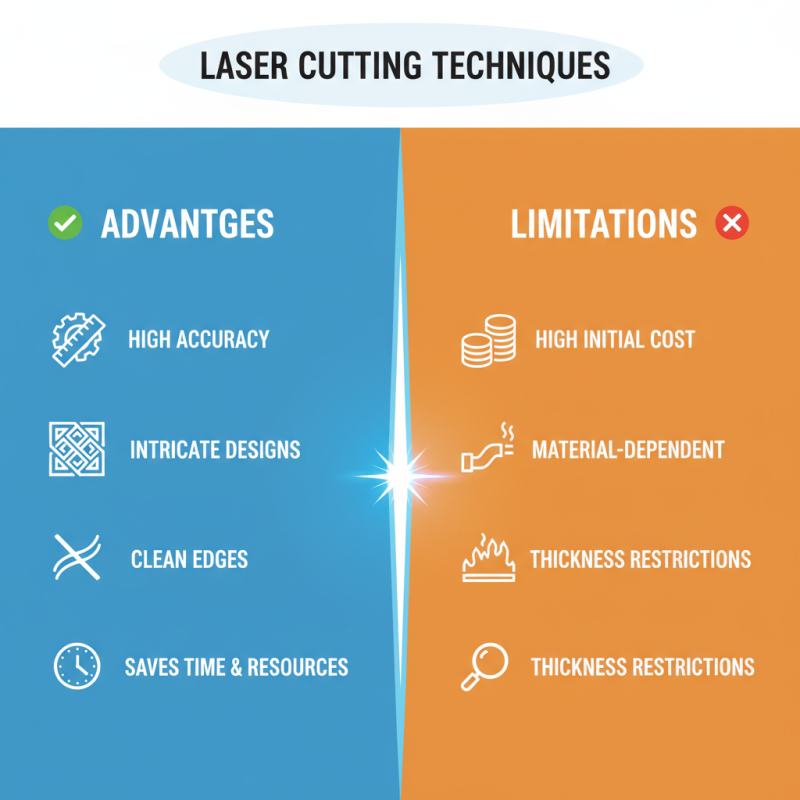
Laser cutting is a precise method widely used across various industries. Its advantages make it an attractive option for many applications. One significant benefit is the high accuracy it offers. Laser cutting can produce intricate designs that traditional methods can't match. The clean edges reduce the need for secondary processing. This saves both time and resources.
However, laser cutting is not without its limitations. It can be expensive, especially for small production runs. The initial setup costs can deter some businesses. Additionally, materials must be carefully selected. Not all materials are suitable for laser cutting. Certain plastics and reflective metals can cause issues. This specificity requires careful planning.
Another consideration involves thickness limits. Laser cutting is effective for thin materials but struggles with thicker ones. Cutting thicker sheets may lead to uneven edges. Moreover, the heat generated can affect material properties. Parts may warp or become brittle. The need for precise control is paramount in these scenarios. Overall, while laser cutting has clear benefits, it also demands careful consideration of its constraints.