What is Laser Cutting and How Does It Benefit Your Business?
Laser Cutting has revolutionized the manufacturing sector, offering precision and efficiency. According to a report by MarketsandMarkets, the laser cutting market is projected to reach $6.8 billion by 2025, growing at a CAGR of 5.6%. This growth highlights its importance across various industries, including automotive, aerospace, and electronics.
The technology uses focused laser beams to cut materials with exceptional accuracy. This precision reduces waste, saving valuable resources for businesses. Companies report that adopting Laser Cutting processes results in a 30% decrease in material costs. However, while the benefits are clear, integrating this technology isn't without challenges. Training staff to operate advanced machines and managing initial costs can pose hurdles.
Moreover, the environmental impact of laser cutting is a topic worth considering. Although it produces less scrap, energy consumption can be high. Businesses must weigh these factors against the potential gains. Laser Cutting demonstrates significant advantages, yet a balanced approach is essential for sustainable growth.
What is Laser Cutting: A Brief Overview
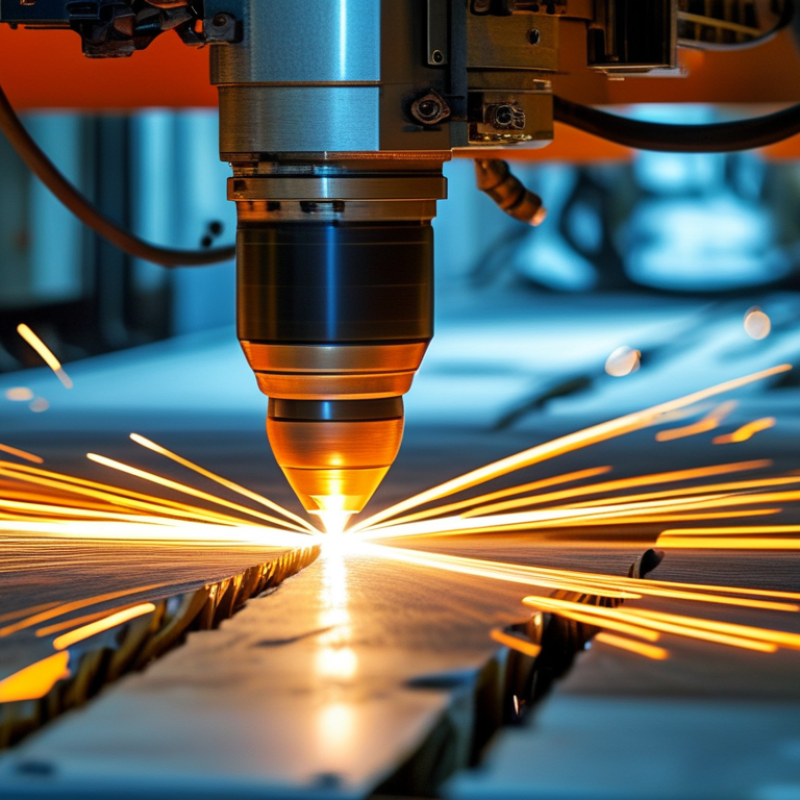
Laser cutting is a precise and efficient manufacturing process. It uses a high-powered laser beam to cut through various materials like metals, plastics, and wood. This technology offers unmatched accuracy, making it a favored choice in industries ranging from automotive to architecture.
One of the most significant benefits of laser cutting is its speed. The process can quickly produce complex shapes with minimal material waste. This efficiency can result in lower production costs over time. However, it requires skilled operators to set up and maintain the machines correctly. Without proper training, errors can occur, leading to costly mistakes.
Another aspect to consider is the technology's versatility. Laser cutting can handle thick and thin materials alike. Yet, not all materials respond equally well. For example, some plastics may melt rather than cut cleanly. This unpredictability necessitates a careful selection of materials and techniques. Embracing laser cutting involves ongoing learning and improvement to maximize its advantages while minimizing potential pitfalls.
The Technology Behind Laser Cutting: How It Works
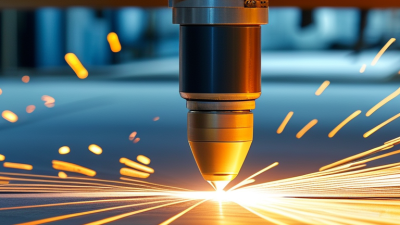
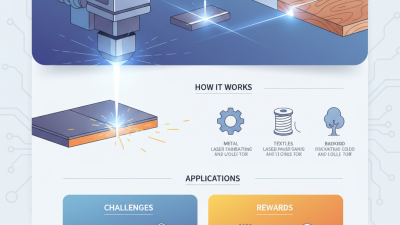
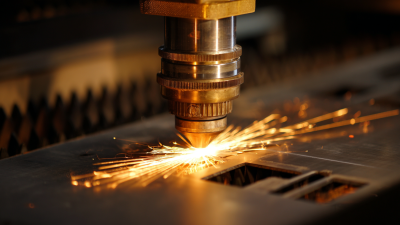
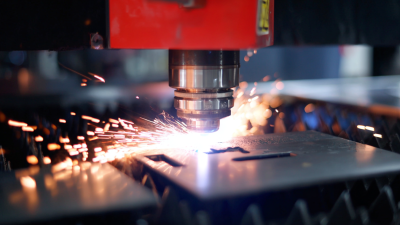
Laser cutting is a precision technique that utilizes focused beams of light to cut materials. This method enables high levels of accuracy and detailed designs. The process begins with a laser beam generated by a power source and directed through optics. It then focuses on the material surface. The intense heat melts or vaporizes the material in a controlled manner, resulting in clean cuts with minimal kerf.
One of the key advantages is the ability to cut various materials, including metals, plastics, and textiles. The adaptability makes it ideal for different industries, from manufacturing to fashion. Unlike traditional cutting methods, laser cutting produces less waste and requires no physical contact, reducing wear and tear on tools. However, not all materials respond equally to this technology. Users must experiment and adjust settings, which can be a learning curve.
While laser cutting offers remarkable precision, it also requires expertise. Operators must understand how to handle the equipment safely and effectively. Mistakes can lead to flawed designs or wasted materials. Continuous learning is essential in mastering the intricacies of this technology. Thus, businesses should weigh the benefits against the initial investment and training needed for optimal use.
What is Laser Cutting and How Does It Benefit Your Business?
| Aspect |
Description |
Benefits |
| Technology |
Laser cutting uses focused beams of light to cut through materials. |
Precision cutting with minimal material wastage. |
| Materials |
Can cut various materials including metals, plastics, and wood. |
Versatility in applications across different industries. |
| Speed |
Fast processing time compared to traditional cutting methods. |
Increased productivity and quicker turnaround times. |
| Cost Efficiency |
Lower operational costs and reduced labor expenses. |
Improved profitability for businesses. |
| Customization |
Ability to create intricate designs and custom shapes. |
Enhanced creative capabilities for product development. |
Advantages of Laser Cutting for Manufacturing Businesses
Laser cutting has transformed manufacturing, offering precision and efficiency. This technology utilizes focused laser beams to cut materials with extreme accuracy. For manufacturers, the advantages are substantial. According to a report by Markets and Markets, the global laser cutting market is expected to reach $5.62 billion by 2025, indicating its growing significance in the industry.
One major benefit of laser cutting is reduced waste. Traditional cutting methods often leave behind excess material. In contrast, laser cutting maximizes resources, leading to lower material costs. Manufacturers report saving up to 30% on raw materials when switching to laser cutting techniques. This not only enhances profitability but also supports sustainability efforts.
Consider investing in CNC laser cutting systems for higher efficiency. Analyze your production timelines and evaluate how laser technology can streamline processes. Additionally, maintain your equipment regularly to ensure optimal performance. Remember, while laser cutting can boost output, improper setup may lead to issues, such as uneven cuts or material burns. Learning from these challenges is essential for achieving the best results in your manufacturing operations.
Applications of Laser Cutting Across Various Industries
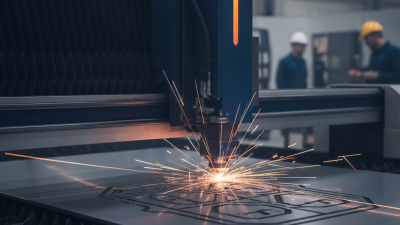
Laser cutting has transformed various industries by providing high precision and efficiency. In the manufacturing sector, it is widely utilized for fabricating metal components. The ability to create intricate designs with minimal material waste attracts many manufacturers. Additionally, the automotive industry benefits from laser cutting for producing parts that require exact tolerances.
In the textile industry, laser cutting allows for detailed and customizable patterns. This enables designers to experiment with shapes and textures that were previously difficult to achieve. The technology is also used in the electronics field for cutting circuit boards with exact specifications. The reduced lead times can significantly improve production schedules.
Despite its advantages, some challenges exist. The initial investment in laser cutting technology can be significant for small businesses. Some may struggle with training staff to use the equipment effectively. Additionally, not all materials respond well to laser cutting. Careful consideration of material properties is crucial. However, as these barriers are addressed, more industries continue to explore laser cutting's potential.
Cost Considerations and ROI of Laser Cutting for Your Business
Laser cutting technology offers significant advantages for businesses looking to enhance production efficiency. The initial investment in laser cutting machines can be substantial. However, the long-term benefits often justify the costs. Businesses can experience reduced material waste, faster production times, and less manual labor. These factors contribute to a quicker return on investment.
When evaluating the cost considerations of laser cutting, it’s important to factor in the precision it offers. Unlike traditional cutting methods, lasers provide a high level of accuracy. This precision leads to fewer errors and less rework, saving both time and money. While the setup costs are higher, the operational savings can accumulate over time, especially for high-volume production.
Moreover, some companies may find the transition challenging. Training staff to operate advanced machinery can be a hurdle. Yet, investing in training can enhance productivity and overall machine utilization. Ultimately, businesses must weigh the upfront costs against the potential for improved efficiency and profitability. It’s a delicate balance that requires thoughtful consideration.