What is a Cnc Laser Cutter For Metal and How Does It Work?
A CNC laser cutter for metal is a powerful tool in modern manufacturing. It offers precision and efficiency, making it a preferred choice for various industries. According to a report by IBISWorld, the CNC machining industry is projected to grow by 2.4% annually, reaching a market value of $97 billion by 2024.
This growth is driven by the increasing demand for custom metal parts. Industries such as automotive and aerospace rely heavily on CNC laser cutting technology. The ability to cut through thick materials with high accuracy is a game-changer. Yet, challenges remain. Operators must stay updated with the latest technologies. Maintenance is crucial for optimal performance; neglect can lead to costly downtime.
The reliability of a CNC laser cutter for metal impacts overall productivity. Users need proper training to maximize these machines' potential. Despite their advantages, not all businesses can afford this technology. Investment is necessary but requires careful consideration. Balancing cost and benefit is essential for success in a competitive market.
CNC Laser Cutter: Definition and Key Features for Metal Cutting
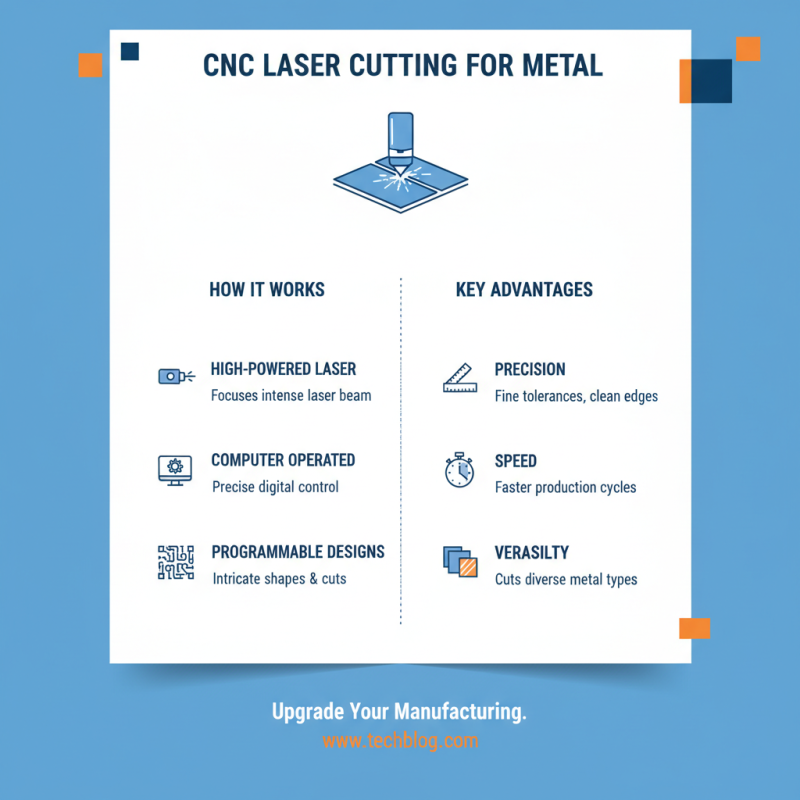
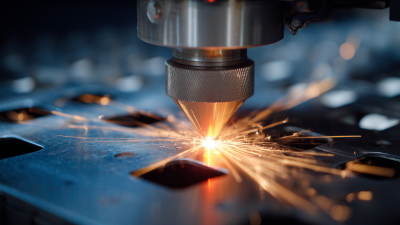
A CNC laser cutter is a powerful tool used for metal cutting. It utilizes a high-powered laser beam to cut through metal materials with precision. The laser cutter is operated by a computer, allowing for intricate designs to be programmed. This level of control is what sets it apart from traditional cutting methods.
One key feature of a CNC laser cutter is its ability to cut various types of metals. Aluminum, steel, and brass can all be processed effectively. The machine can handle different thicknesses, making it versatile for different projects. The cutting process creates clean edges, minimizing the need for further finishing work.
However, using a CNC laser cutter does come with challenges. For instance, the setup can be complex, requiring skilled operators. Mistakes in programming can lead to wasted materials. Additionally, safety measures must be strictly followed to avoid accidents. These factors highlight the need for careful planning and execution in metal cutting projects.
Principles of Operation: How CNC Laser Cutters Work for Metal
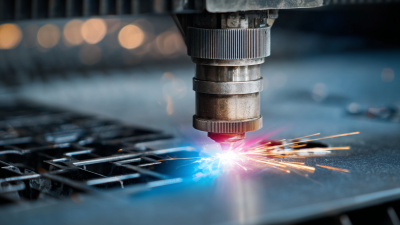
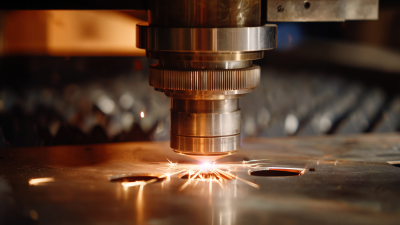
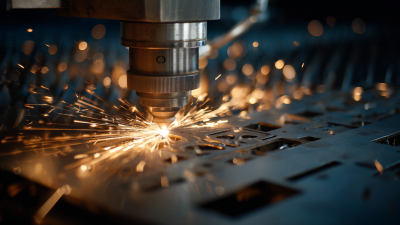
CNC laser cutters for metal operate on precise principles that maximize efficiency and accuracy. At their core, these machines utilize a high-powered laser beam to melt or vaporize material. This occurs through focused light energy, creating intricate designs with minimal waste. Studies show that laser cutting can achieve precision tolerances of up to ±0.005 inches, making it ideal for complex applications.
The process involves several key components: a laser source, optical systems, and CNC controls. The laser beam travels through optics, focusing on the workpiece. This allows for high-speed cutting, often surpassing 600 inches per minute. Despite these advantages, challenges exist. For example, reflective materials can cause issues with beam focus and absorption. Additionally, thicker metals require higher power and slower speeds, complicating production.
Furthermore, managing heat affected zones (HAZ) is crucial. Excessive heat can alter the physical properties of metal. A thorough understanding of material characteristics helps mitigate this. The accuracy of CNC systems also hinges on calibration and maintenance. Small deviations can lead to significant errors during cutting. As technology evolves, continuous improvements in algorithms and machine design will further enhance the capabilities of CNC laser cutters.
Types of Lasers Used in CNC Metal Cutting Machines
CNC laser cutters for metal use various types of lasers to achieve precise cuts. The most common types are CO2 lasers and fiber lasers. CO2 lasers are effective for cutting non-metal materials and thinner metals. They emit a wavelength of 10.6 micrometers. This kind of laser works well for cutting and engraving applications.
On the other hand, fiber lasers have gained popularity in the metalworking industry. They use a solid-state process to generate light. Fiber lasers are more efficient than CO2 lasers, especially for thicker materials. They have a wavelength of 1.06 micrometers. Reports indicate that fiber lasers can achieve cutting speeds up to 100 meters per minute. This efficiency translates to reduced operation times and costs.
Tip: When selecting a laser cutter, consider the thickness of the material you often work with. CO2 lasers perform well on thinner metals. But for thicker metals, fiber lasers are the better choice.
Another important factor is maintenance. Laser cutters must be kept clean and functional. Dust and debris can affect the laser's precision. Regular checks can prolong the machine's lifespan. Industry reports highlight that proper maintenance can enhance machine efficiency by up to 30%.
Tip: Document all maintenance actions and watch for changes in cutting quality. This can help you identify issues early.
Advantages of CNC Laser Cutters Over Traditional Metal Cutting Methods
CNC laser cutters revolutionize metal fabrication. They offer precision and speed that traditional methods can't match. The laser beam melts the metal, allowing for intricate designs and complex shapes. This technology minimizes material waste, enhancing efficiency.
One advantage is reduced human error. Unlike manual cutting, CNC laser systems rely on computer-controlled processes. This means consistent results every time. Setting up a CNC machine may take time, but it pays off in accuracy. Operators appreciate the level of detail that can be achieved.
Another benefit is versatility. CNC laser cutters can work on various metals, from steel to aluminum. This adaptability is crucial for businesses with diverse projects. However, not all materials respond well to laser cutting. Some thicker metals may require additional processing afterward. Balancing these factors is essential in maximizing the benefits of this technology.
What is a Cnc Laser Cutter For Metal and How Does It Work? - Advantages of CNC Laser Cutters Over Traditional Metal Cutting Methods
| Feature |
CNC Laser Cutter |
Traditional Cutting Methods |
| Cutting Precision |
High precision (up to 0.01 mm) |
Lower precision (typically 0.5 mm to 1 mm) |
| Speed |
Faster cutting speeds |
Slower cutting speeds |
| Thickness Capability |
Can cut thin and thick metals (up to 30 mm) |
Limited to certain thicknesses |
| Material Versatility |
Can cut various metals (steel, aluminum, etc.) |
Limited to specific metals |
| Heat Affected Zone |
Minimal heat affected zone |
Larger heat affected zone |
| Automation |
Fully automated operation |
Requires manual operation |
| Setup Time |
Quick setup with CAD files |
Longer setup time |
| Waste Material |
Less waste produced |
More waste produced |
Industry Applications and Market Trends for CNC Laser Cutting Technology
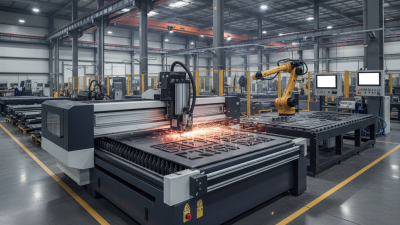
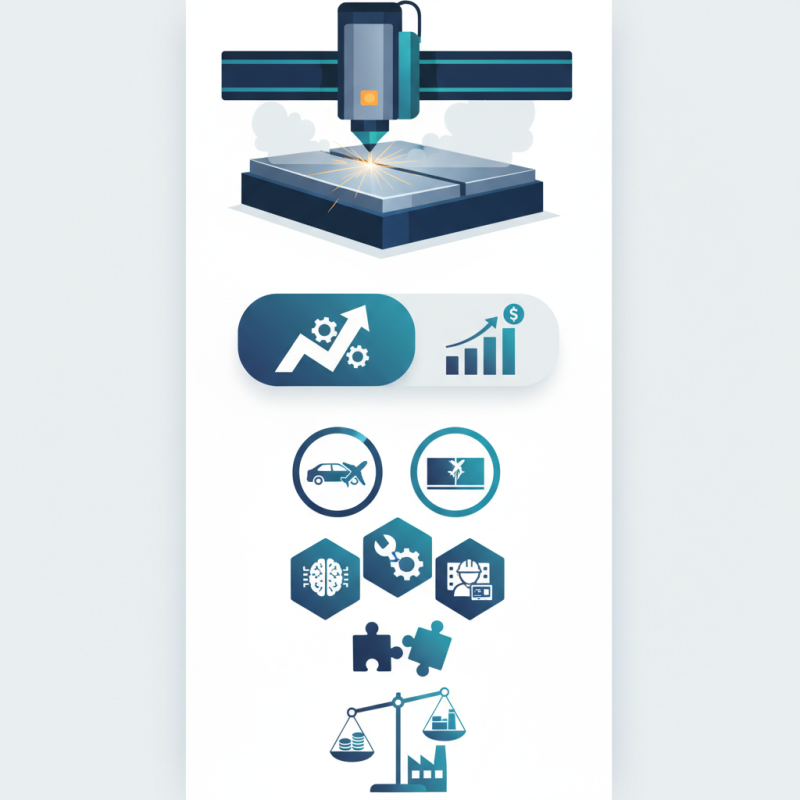
CNC laser cutting technology has transformed various industries, making metal fabrication more efficient. This technique utilizes high-powered lasers to cut metals with precision. Applications are vast, ranging from automotive to aerospace. Manufacturers often rely on CNC laser cutters for their ability to deliver intricate designs. Complex shapes can be achieved, which was challenging with traditional methods.
In the automotive industry, laser cutting helps create lightweight components. These parts contribute to improved fuel efficiency. As for the aerospace sector, precision is paramount. Every piece must adhere to strict regulations. This process minimizes waste, leading to cost savings. Technology is evolving, yet, it's essential to assess quality control continuously. There can be inconsistencies in material performance.
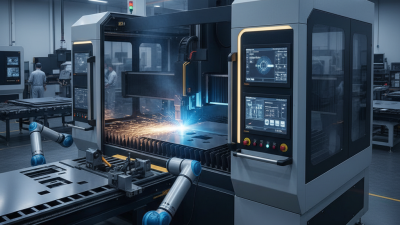
Market trends show a growing investment in this technology. Industries are adopting automation to stay competitive. However, challenges persist. Training skilled operators is critical. The demand for precision means that mistakes can be costly. Reflection on these aspects will help industries leverage CNC laser cutting effectively. Embracing this technology is not just about cutting things faster but doing so with accuracy and sustainability in mind.