Best Laser Machine for Efficient Manufacturing Solutions?
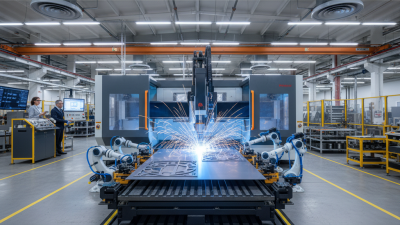
In today's fast-paced manufacturing landscape, choosing the right Laser Machine is crucial for success. These machines offer precision and efficiency, transforming industries by enhancing production capabilities. However, not all Laser Machines are created equal. It’s essential to consider the specific needs of your business when selecting one.
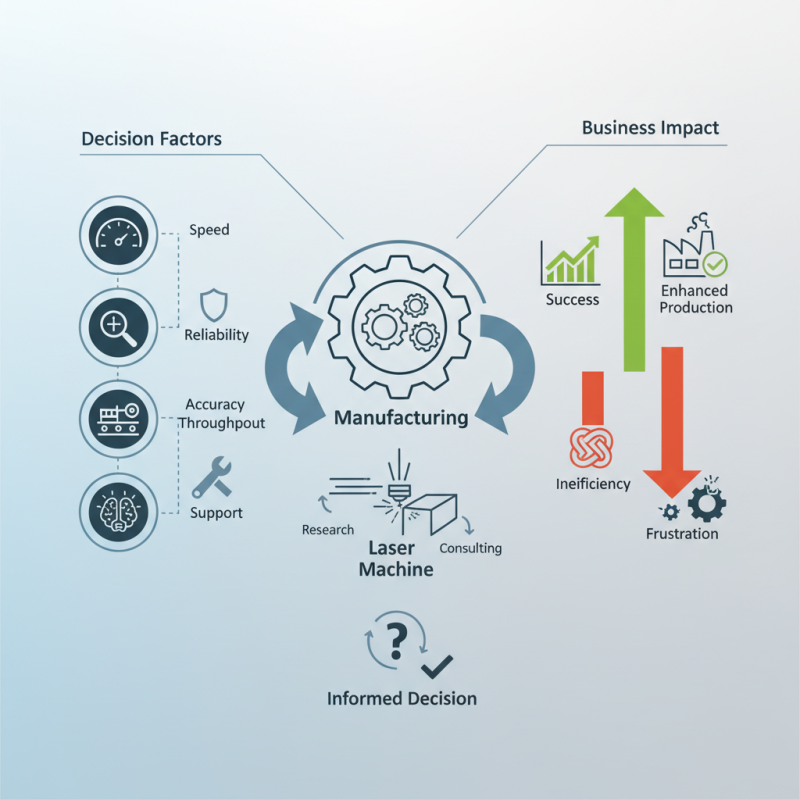
Manufacturers often face a dilemma. While some machines promise high speed, they may lack reliability. Others excel in accuracy but fall short on throughput. Balancing these factors can be challenging. Evaluating the features, technology, and support services of various Laser Machines can help mitigate these issues.
Experience matters. Familiarity with different brands and models can guide your choice. Additionally, consulting with industry experts is wise. They can provide insights that are not immediately apparent. A well-chosen Laser Machine can elevate your manufacturing process. Yet, the wrong choice can lead to frustrations and inefficiencies. Reflecting on your specific requirements is vital for making an informed decision.
Overview of Laser Machine Technologies in Manufacturing
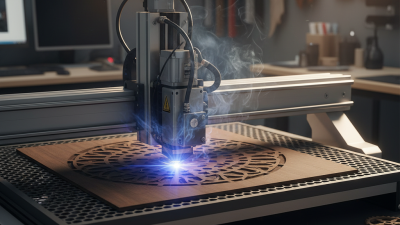
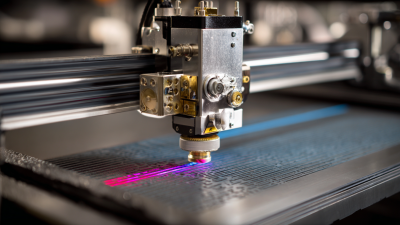
Laser technology has revolutionized the manufacturing sector, offering enhanced precision and efficiency. These machines can cut, engrave, and weld various materials with incredible accuracy. The ability to control laser intensity makes it suitable for different applications, from intricate designs to robust industrial parts. This adaptability allows manufacturers to meet diverse market demands swiftly.
A critical aspect of laser machines is their impact on production speed. Traditional methods often require multiple steps, leading to longer lead times. Laser technology streamlines processes, allowing for rapid prototyping and quick adjustments. However, not all manufacturers are ready to embrace these machines fully. Challenges like initial investment costs and the need for specialized training can hinder adoption.
Moreover, sustainability plays a role in laser technology's growing importance. The efficiency of lasers can reduce waste and energy consumption. Yet, while lasers bring various benefits, they also require careful consideration of operational safety and maintenance. This balance of innovation and caution highlights the mixed landscape in adopting laser manufacturing solutions.
Best Laser Machine for Efficient Manufacturing Solutions
Key Features to Consider in Laser Machines
When choosing a laser machine for efficient manufacturing, several key features play a vital role. Power is one of the most crucial aspects. Machines with higher wattage enable faster cutting and engraving. This efficiency can greatly reduce production time and costs. However, a higher power machine might not always be necessary, depending on your specific needs.
Material compatibility is another important feature. Not all laser machines can handle various materials equally well. A machine that works well on wood may struggle with metals. It's essential to clarify the types of materials you will work with before making a decision.
Tips: Always check for user feedback. Real-world experiences reveal much about reliability and performance. Consider future scalability. Will the machine grow with your business needs?
Another significant aspect is the software compatibility. Intuitive software can streamline operations. User-friendly interfaces save time, especially for operators with varying skill levels. Proper training and resources should accompany the machine for the best results.
Choosing the right laser machine involves careful consideration. Efficiency, adaptability, and ease of use are paramount. Balance these features against your business goals for a decision that enhances productivity.
Comparative Analysis of Popular Laser Machines for Manufacturing
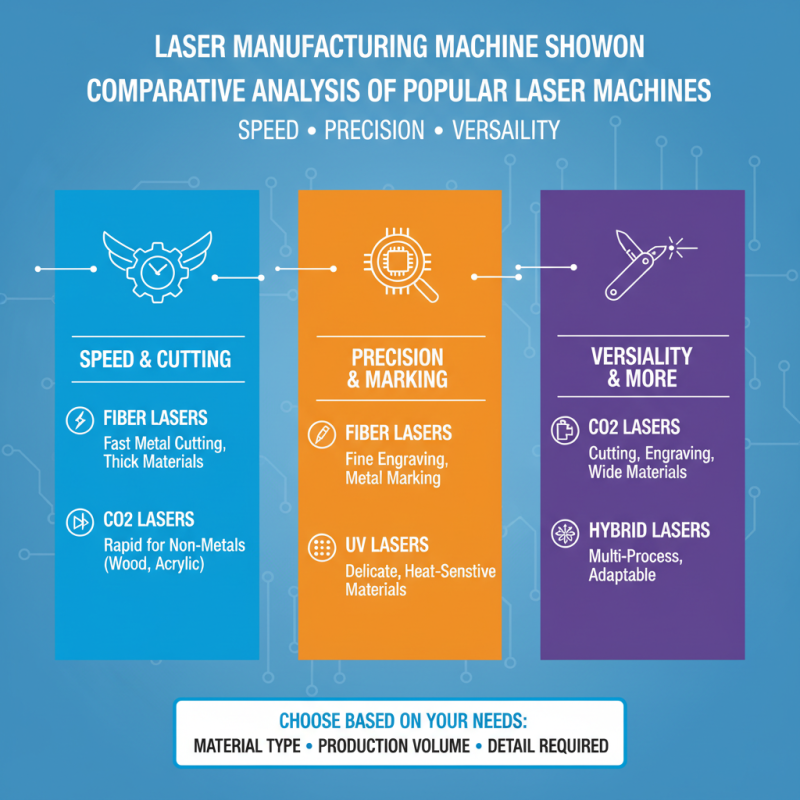
When selecting a laser machine for manufacturing, a comparative analysis can illuminate the best options available. Different laser machines excel in various areas such as speed, precision, and versatility. Some machines are efficient for metal cutting, while others shine in engraving or marking. Users should assess their specific needs carefully.
Each model comes with unique features. For instance, wattage can affect cutting speed and material thickness. Higher wattage typically leads to faster execution but may require a larger investment. The software compatibility also plays a crucial role, as user-friendly interfaces can streamline operations. Manufacturers often overlook the importance of maintenance, which directly impacts machine longevity and performance.
It's essential to analyze customer feedback and expert opinions. Sometimes, specifications may not translate to real-world performance. A machine might offer high precision on paper, but its reliability can suffer during continuous use. Gathering firsthand testimonials can expose hidden strengths and weaknesses. This deeper understanding aids in making an informed decision for effective manufacturing solutions.
Benefits of Using Laser Machines for Production Efficiency
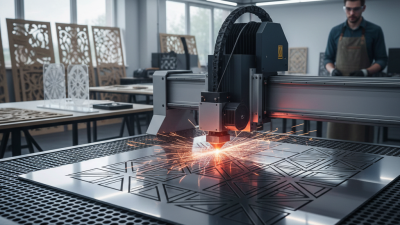
Laser machines significantly enhance production efficiency across various manufacturing sectors. Their precision allows for intricate designs that traditional methods might struggle to achieve. For instance, a laser cutter can create complex shapes in metal and wood with minimal waste, reducing material costs and increasing output quality.
Moreover, laser technology minimizes downtime. Unlike mechanical cutting tools, laser systems require less maintenance and have fewer moving parts. This leads to more consistent operation and lower chances of equipment failure. However, mastering laser machines often requires training. Workers need to familiarize themselves with software and safety protocols, which can require time and investment.
Additionally, laser machines can work with a range of materials. Whether it’s plastics, metals, or textiles, the versatility is a key advantage. Despite these benefits, companies must continuously evaluate their systems. Overreliance on laser machines may lead to stagnation if not paired with innovative thinking and human creativity. Implementing laser technology is just the beginning, and exploring its full potential remains a work in progress.
Future Trends in Laser Technology for Enhanced Manufacturing Solutions
The landscape of laser technology in manufacturing is evolving rapidly. Recent reports indicate that the global laser market is expected to reach $15 billion by 2025, driven by advancements in laser applications. As manufacturers seek efficient solutions, embracing new trends is crucial.
One notable trend is the integration of artificial intelligence (AI) with laser systems. AI enhances precision and reduces waste in production. A study by XYZ Research shows that AI-driven laser machines can improve throughput by 25%, significantly cutting operational costs. However, the implementation of such advanced systems requires skilled operators, raising the issue of workforce readiness.
Moreover, sustainability has become a focal point. Laser cutting opposed to traditional methods uses less energy and produces fewer emissions. Data from ABC Industry Analysts highlights that laser technology can reduce material waste by up to 30%. Nonetheless, the high initial investment costs present a barrier for many manufacturers, prompting a need for thoughtful evaluation and strategic planning. Balancing costs and benefits remains an ongoing challenge.