2026 Best CNC Cutting Solutions for Global Buyers?
As industries evolve, the demand for precision in manufacturing grows. CNC cutting technologies have transformed production processes across various sectors. Global buyers seeking the best CNC cutting solutions for 2026 need to acknowledge this shift.
This guide explores cutting-edge CNC cutting solutions. It emphasizes their reliability and efficiency. Potential buyers should consider factors like cost, technology, and support. These elements contribute to a CNC cutting machine’s value. The needs of each industry differ. Therefore, customization is vital for optimizing performance.
However, not all solutions fit every buyer's needs. It's essential to reflect on specific operational requirements. Investing in CNC cutting technology requires careful evaluation. Seek expert advice to navigate choices. This approach helps in making informed decisions, fostering successful manufacturing outcomes.
Overview of CNC Cutting Technologies for 2026
CNC cutting technologies are advancing rapidly. In 2026, buyers must consider various methods on the market. Laser cutting, plasma cutting, and waterjet cutting are among the prominent choices. Each technology has its own strengths and weaknesses.
Laser cutting offers high precision, but it may struggle with thicker materials. Plasma cutting is cost-effective and suitable for heavy metal, though it can be less accurate. Waterjet cutting is versatile, making it ideal for sensitive materials. However, the initial setup cost can be a barrier.
Buyers should also reflect on their production needs. The choice of technology impacts efficiency and product quality. Understanding the right CNC solution is critical for success. Engaging with industry experts helps refine these choices. The right fit ensures reliable outputs and enhances operational efficiency.
2026 Best CNC Cutting Solutions for Global Buyers
| Technology Type |
Material Compatibility |
Cutting Speed (m/min) |
Precision (mm) |
Cost (USD) |
| Laser Cutting |
Metal, Acrylic, Wood |
20-30 |
0.01 |
5000 |
| Waterjet Cutting |
Metal, Stone, Glass |
10-15 |
0.2 |
8000 |
| Plasma Cutting |
Metal |
30-40 |
0.2-0.5 |
6000 |
| Oxy-Fuel Cutting |
Metal (Steel) |
5-10 |
0.5-1.5 |
3000 |
| CNC Router |
Wood, Composite, Plastic |
15-25 |
0.1 |
4000 |
Key CNC Cutting Methods and Their Applications
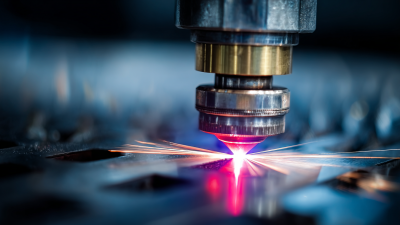
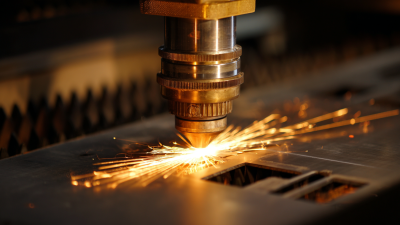
CNC cutting methods have transformed the manufacturing landscape. Laser cutting stands out for precision and speed. It uses a focused beam of light to slice through materials like metal and wood. In industries where detail matters, this method excels. However, operational costs can be high, which may not suit every budget.
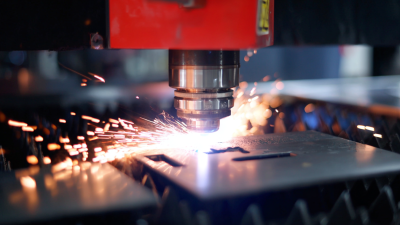
Plasma cutting uses an ionized gas to conduct electricity. This method is advantageous for thicker materials. It operates at high speeds and is efficient for heavy-duty applications. Yet, the quality of cuts may vary based on settings. Users need to experiment for optimal outcomes, which can be time-consuming.
Waterjet cutting offers versatility across materials. It can cut stone, glass, and even textiles without heat. One major flaw is the slow speed, which can hinder production rates. Operators must balance precision with time constraints to meet demands. Understanding these cutting methods is vital for making informed choices.
2026 Best CNC Cutting Solutions
Top CNC Cutting Machines for Global Buyers in 2026
As we approach 2026, the demand for CNC cutting machines continues to rise globally. Buyers seek robust and innovative solutions to enhance their production processes. Various CNC cutting technologies have evolved, offering precision and efficiency. This year, laser cutting, waterjet, and plasma cutting are the leading options. Each technology has unique advantages, yet also limitations to consider.
Laser cutting machines are renowned for their accuracy and speed. They excel in thin materials, providing clean edges and fine details. However, they may struggle with thicker materials, requiring additional tools. Waterjet cutting machines, on the other hand, handle thicker materials effectively. They use high-pressure water and garnet abrasives, making them versatile. Yet, their slower operation can be a downside for some buyers.
Plasma cutters offer another alternative, especially for metal cutting. They are efficient for tasks requiring speed. But, precision can be a concern when working with intricate designs. Potential buyers must weigh these trade-offs carefully. Considering their production needs and material types will lead to the best choice. Exploring all available options ensures informed decision-making is essential.
Factors to Consider When Selecting CNC Cutting Solutions
When choosing CNC cutting solutions, several key factors come into play. Machine precision is paramount. A higher tolerance level leads to better results. Check the specifications closely. Look for machines capable of delivering tight tolerances consistently. Variability in performance can lead to waste. This impacts time and costs.
Material compatibility is another critical consideration. Different machines perform better with specific materials. Aluminum, steel, and plastics each require distinct setups. Ensure that your chosen machine handles your primary materials effectively. Poor compatibility can lead to increased wear and tear, and even errors during the cutting process.
Software capabilities should not be overlooked. An intuitive interface can enhance productivity. However, advanced features may complicate operation. Evaluate what you need. Training may also be necessary for complex software. Lastly, remember that support and maintenance options are essential. Reliable customer service can make a huge difference. A lack of support can leave you stranded during critical times. Thoughtful evaluation of these factors will guide you toward the best CNC cutting solution for your needs.
Future Trends in CNC Cutting Technology and Market Predictions
The landscape of CNC cutting technology is evolving rapidly. According to a recent market analysis by IBISWorld, the global CNC machining market is projected to reach $95 billion by 2026. This growth hints at rising demand for precision cutting solutions. Factors influencing this trend include automation and the integration of AI technology. The ongoing shift towards Industry 4.0 is reshaping manufacturing, making CNC cutting more efficient.
Moreover, advancements in software are also notable. Enhanced simulations and real-time analytics are enabling manufacturers to streamline their processes. However, adopting these technologies can be a challenge. Not all companies can easily transition to automated environments. Many struggle with the initial investment and training requirements. The market might exclude smaller players if they cannot keep pace with these changes.
Tip: Investing in workforce training alongside new technologies can mitigate challenges. Ensuring that employees are skilled will increase operational efficiency. Keeping an eye on emerging trends is essential. Market reports can provide insights into potential shifts in CNC cutting demands. This information will help in strategic decision-making for adapting to future trends.