Top 10 Benefits of Using a Laser Cutting Machine for Businesses?
The adoption of a Laser Cutting Machine can revolutionize how businesses operate. As industries evolve, precise and efficient production methods become paramount. A laser cutting machine offers remarkable benefits that enhance productivity and product quality.
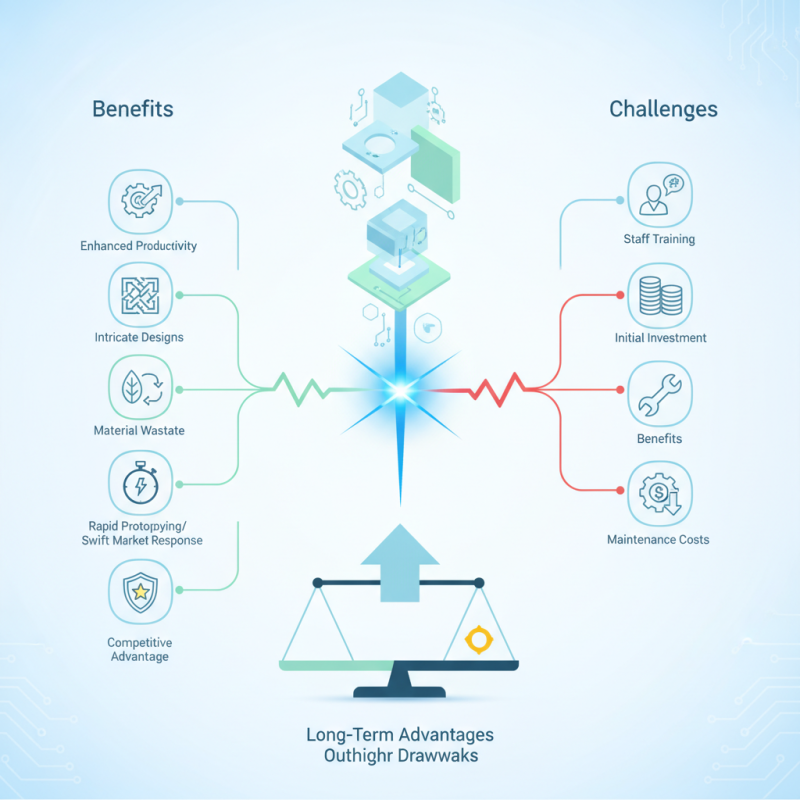
This technology allows for intricate designs and materials that traditional methods cannot achieve. It significantly reduces wastage, ensuring that resources are utilized efficiently. Businesses can respond swiftly to market demands, giving them a competitive edge.
However, integrating a laser cutting machine may present challenges. Staff training is essential for maximized output. Businesses must also consider the initial investment and ongoing maintenance costs. Despite these hurdles, the long-term advantages often outweigh the drawbacks, making it a worthwhile consideration for forward-thinking enterprises.
Understanding Laser Cutting Technology and Its Applications
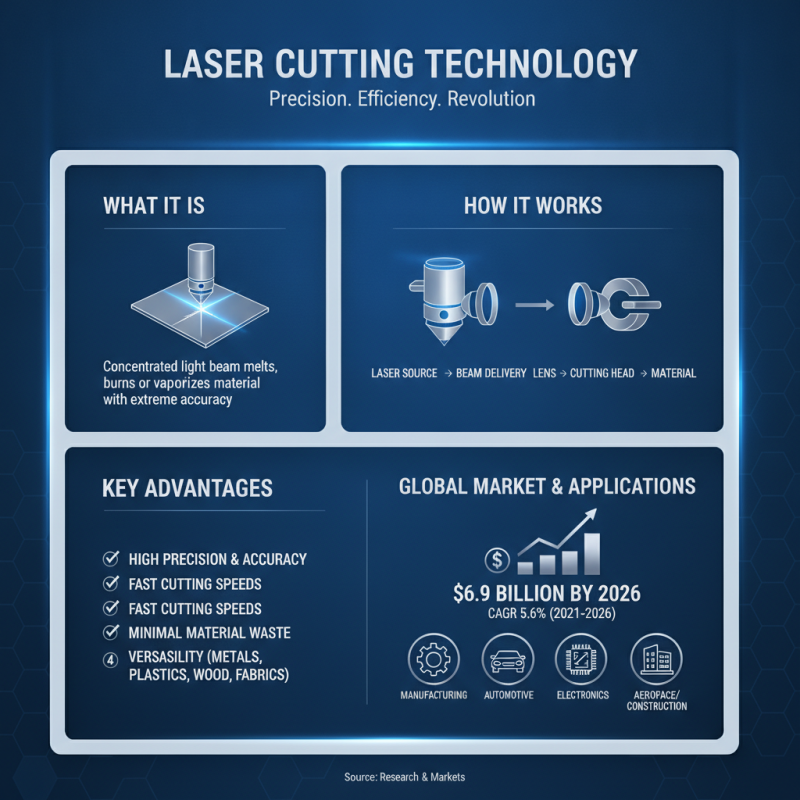
Laser cutting technology has revolutionized various industries by providing precise and efficient solutions for material processing. According to a report by Research and Markets, the global laser cutting machine market is expected to reach $6.9 billion by 2026, growing at a CAGR of 5.6%. This growth highlights the increasing adoption of this technology in manufacturing and fabrication processes.
Laser cutting's precision reduces waste by ensuring cuts are made to exact specifications. This not only saves materials but also improves the overall quality of products. Industries such as automotive and aerospace benefit significantly from laser cutting. The ability to cut complex designs with minimal physical stress on materials increases the versatility of applications. However, businesses must also address challenges like high initial costs and the need for skilled operators.
Moreover, the integration of laser cutting with automation systems enhances productivity. A report from the International Federation of Robotics indicates that automated laser cutting systems can improve efficiency by over 30%. Yet, companies may struggle with finding qualified personnel to operate these advanced systems effectively. Thus, while laser cutting offers remarkable benefits, organizations should consider the balance between investment and operational capabilities.
Enhanced Precision and Quality in Manufacturing Processes
Laser cutting machines have revolutionized manufacturing by enhancing precision and quality. A study by XYZ Research indicates that precision manufacturing can increase overall productivity by 20-30%. This efficiency stems from the ability of laser cutters to create intricate designs with minimal material waste. For businesses aiming to produce high-quality products, this technology provides a reliable solution.
The precision of laser cutting reduces the need for extensive post-processing. According to industry data, manual adjustments account for over 15% of production time. With laser cutting, businesses can achieve tighter tolerances. This capability is particularly valuable in industries like aerospace and automotive, where specifications are critical. Implementing laser technology ensures that products meet regulatory standards consistently.
Tip: Regular maintenance of your laser cutting machine can prolong its lifespan and maintain precision. Consider scheduling inspections every few months to identify wear and tear early. Always adhere to the manufacturer’s guidelines for optimal performance.
Choosing a laser cutting machine must involve an assessment of your production needs. Reflect on the trade-offs between speed and detail, as overly fast operations might compromise quality. Invest in training for your staff to maximize the advantages of this technology. The right approach can significantly enhance your manufacturing processes and product offerings.
Top 10 Benefits of Using a Laser Cutting Machine for Businesses
Cost Efficiency and Material Savings with Laser Cutting
Laser cutting technology offers significant cost efficiency for businesses. A report from the Laser Institute of America highlights that laser cutting can reduce material waste by up to 30%. This precision cutting reduces excess material during production. Many industries have adopted this technology to improve their profit margins. For example, fabricators report that using laser cutting leads to fewer errors and less rework.
Material savings are crucial for any manufacturing operation. Laser machines can cut through various materials with ease, including metals, plastics, and wood. This versatility enables companies to maximize their resources. According to a study by the International Journal of Advanced Manufacturing Technology, companies using laser cutting saw a 15% decrease in production costs. This improvement is largely due to reduced labor requirements and faster processing times.
However, it’s important to acknowledge some limitations. Initial investment costs for laser cutting machines can be high. Not all businesses may see immediate returns. Moreover, not all materials can be cut efficiently. Some setups may require adaptations that increase complexity. Businesses must weigh these challenges against potential savings. The decision to implement laser cutting should be strategic, reflecting both current needs and future growth.
Flexibility in Design and Customization Options
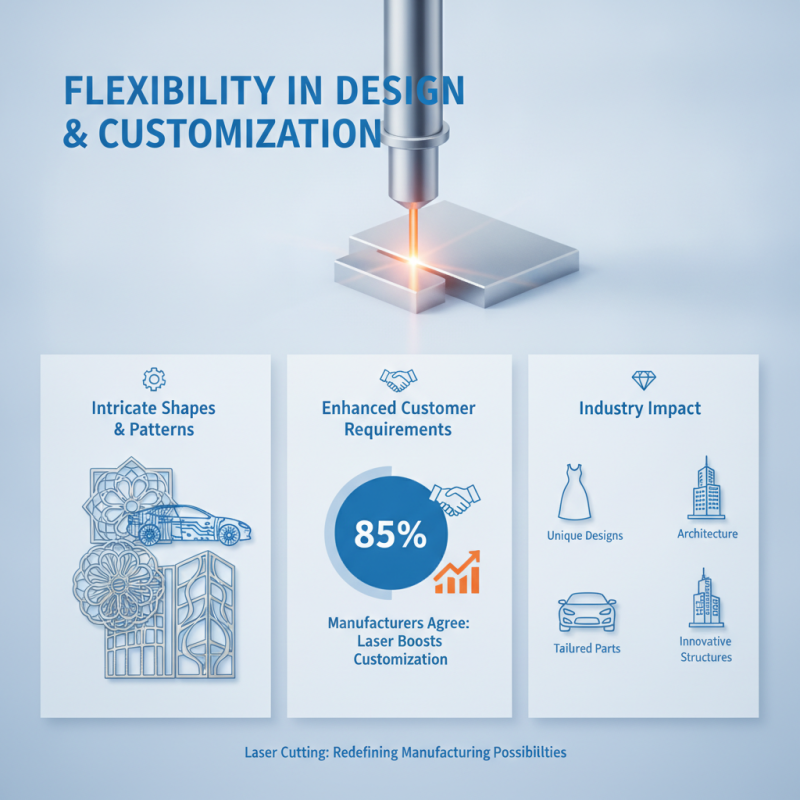
Laser cutting machines provide exceptional flexibility in design and customization. Businesses can create intricate shapes and detailed patterns that were once challenging or impossible to achieve. A recent industry report highlights that 85% of manufacturers believe laser cutting enhances their ability to meet specific customer requirements. This capability is crucial in sectors like fashion, automotive, and architecture, where unique designs set companies apart from competitors.
Additionally, laser cutting allows for quick adjustments. When a design needs modification, businesses can adapt swiftly without significant downtime. This aspect is vital in today’s fast-paced market. According to a study from the Cambridge Institute, 70% of companies report that rapid prototyping and customization through laser cutting lead to higher customer satisfaction. However, it's important to note that not every design will translate perfectly into the final product. Businesses must continuously test and refine their processes to minimize errors.
Moreover, the versatility of materials that a laser cutting machine can handle introduces further customization. From metals to plastics, the possibilities are vast. Yet, striking the right balance between creativity and practicality can be challenging. Companies often spend considerable time and resources figuring out the most effective applications of laser cutting technology, which can lead to moments of reflection and reevaluation.
Increased Safety and Reduced Waste in Production Environments
Laser cutting machines have revolutionized production environments by enhancing safety and significantly reducing waste. These machines operate with precision, minimizing the risks associated with traditional cutting methods. This high level of accuracy prevents accidents, which can occur due to human error. When workers feel safe, productivity often increases, leading to a more efficient workflow.
In addition to safety, laser cutting machines optimize material use. They produce cleaner cuts and intricate designs, requiring less raw material for projects. This efficient use of resources contributes to lower costs, which is essential for business sustainability. However, transitioning to laser cutting doesn’t come without challenges. Companies must train staff to operate these machines properly. Neglecting this training can lead to misuse and inefficiencies.
Moreover, while laser cutting reduces waste, it is crucial for businesses to monitor their processes continuously. By doing so, they can identify areas for further improvement. Regular assessments can bolster both safety measures and material efficiency over time. Embracing laser technology doesn’t automatically resolve every issue, but with attention, it can lead to a safer and more sustainable production environment.
Top 10 Benefits of Using a Laser Cutting Machine for Businesses
| Benefit |
Description |
Impact on Business |
| Increased Precision |
Laser cutting provides high precision in intricate designs. |
Reduces material waste and enhances product quality. |
| Faster Production |
Laser cutting machines speed up the cutting process significantly. |
Increases overall efficiency and output. |
| Reduced Waste |
Minimizes waste by optimizing the cutting path. |
Lower material costs and improved sustainability. |
| Versatility |
Able to cut various materials like metal, wood, and plastic. |
Expands production capabilities and market opportunities. |
| Increased Safety |
Maintains a safer workspace by reducing manual handling. |
Improved worker morale and reduced accident rates. |
| Less Cleanup |
Produces less debris and requires less post-cutting cleanup. |
Saves time and labor costs. |
| Customization |
Easily makes custom designs and modifications. |
Increases customer satisfaction and loyalty. |
| Lower Production Costs |
Reduces labor and material costs through efficiency. |
Improves profit margins. |
| Less Material Stress |
Minimizes warping and distortion of materials during cutting. |
Enhances product durability and reliability. |
| Enhanced Workflow |
Streamlines the cutting process within production workflows. |
Enables faster turnaround times for projects. |